Miami Luxury Condo Hurricane Protection: What Buyers Need to Know (2026)
By Rangely Adames • June 2026 • 11 min read
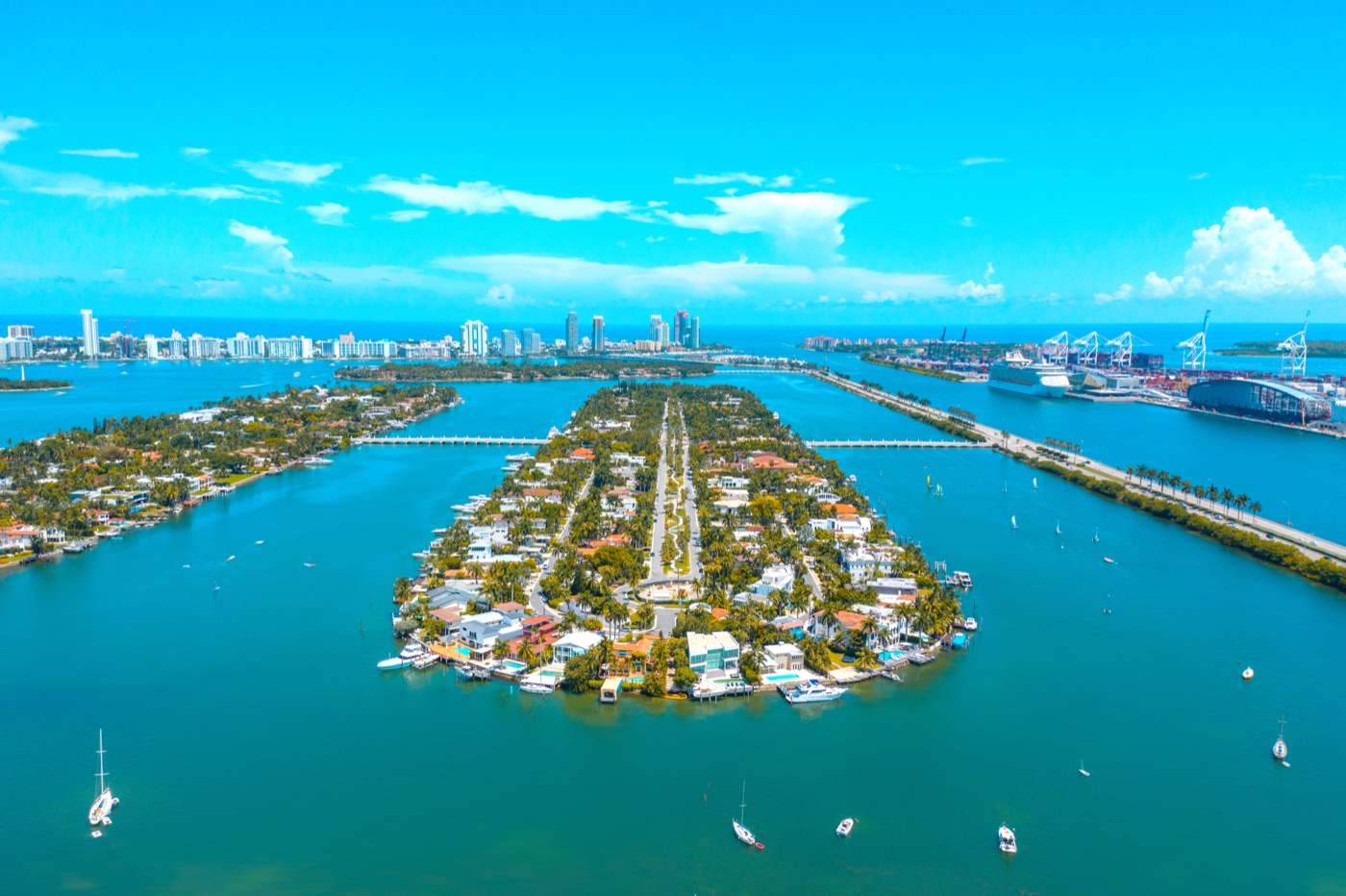
Every year I sit across from buyers who have done their research on square footage, HOA fees, and views, but have not asked a single question about hurricane protection. In Miami, that is a serious gap. Whether you are buying in Brickell, Sunny Isles Beach, Edgewater, or Miami Beach, the storm resilience of a building will affect your insurance premiums, your rental income potential, your resale value, and most importantly, your safety. I have been working with buyers and sellers in this market long enough to know that the clients who ask the right questions before closing are the ones who avoid expensive surprises after.
Hurricane protection in a luxury condo goes well beyond whether the unit has impact glass on the balcony. It covers the entire building envelope, the backup power systems, the structural rating of the tower, the flood zone designation, and even the reserve fund the association maintains for post-storm repairs. These are not abstract concerns. Miami-Dade County sits in one of the most active hurricane corridors in the United States, and the buildings constructed here in the last 20 years reflect that reality in ways that older buildings simply do not.
In this guide I am going to walk you through exactly what to look for, what questions to ask, and where the hidden costs tend to show up. If you are buying a luxury condo in Miami, Coral Gables, Key Biscayne, or anywhere along the coast, this information will help you make a far more informed decision. And as always, Hablamos Espanol, so if you prefer to go through any of this in Spanish, call me directly at (954) 833-0020.
Have Questions About a Specific Building?
I research hurricane protection, insurance, and reserve fund health for every building my clients consider. Call me at (954) 833-0020 to discuss a specific property. Hablamos Espanol.
Call (954) 833-0020Why Hurricane Protection Is a Financial Issue, Not Just a Safety Issue
A lot of buyers think about hurricane protection in terms of personal safety, which matters enormously. But in my experience, the financial implications are just as significant. Buildings with full Miami-Dade County Product Approval on all openings, meaning impact-rated windows, doors, and sliding glass panels throughout the entire structure, qualify for substantially lower windstorm insurance premiums than buildings that rely on shutters or accordion-style panels.
Florida windstorm insurance has become one of the biggest line items in a condo's monthly budget. After the 2004 and 2005 hurricane seasons, and again after Ian in 2022, carriers either exited the Florida market or dramatically repriced their exposure. The result is that HOA fees in older buildings with legacy window systems have spiked far more than those in newer, fully impact-rated towers. When I show clients a building where the HOA fee jumped 35 percent over three years, the culprit is often a combination of rising insurance costs and deferred maintenance on the storm protection systems.
Buyers who are financing their purchase need to pay attention to this as well. Lenders require evidence of adequate hazard insurance, and if a condo association is having trouble securing coverage at a reasonable rate, that can create issues at closing. I have seen transactions stall because the building's master policy had a large deductible that triggered a secondary coverage requirement. Understanding the building's insurance posture before you go under contract is not optional in Miami.
Explore on rangelyadames.com
Impact Glass Versus Storm Shutters: What the Difference Costs You
The single most important hurricane protection feature in any Miami condo is the window and door system. There are two basic approaches: impact-rated glass that is permanently installed and requires no action during a storm, and shutter systems that must be deployed before a storm arrives. Both can meet Miami-Dade building code, but they are not equal in practice.
Impact glass units in buildings like Residences by Armani Casa in Sunny Isles Beach, One Thousand Museum in Downtown Miami, or Elysee in Edgewater use laminated glass panels bonded to a structural frame that has been tested to withstand Category 5 wind speeds. There is nothing to close, nothing to deploy, and no risk of human error. For investors who rent their units or owners who travel frequently, this is a major practical advantage. You do not need to be home or hire someone to prepare the unit when a storm is approaching.
Shutter systems, whether accordion shutters, roll-down shutters, or removable panels, require active preparation. In high-rise buildings where individual units have balcony shutters, there is also a coordination problem. If one unit owner fails to deploy their shutters, the structural integrity of the opening may still be compromised. Older buildings in Miami Beach, particularly those built in the 1970s and 1980s along Collins Avenue, often rely on these systems because retrofitting full impact glass into an existing curtain wall is extremely expensive. When I work with buyers looking at older buildings, I always factor in the long-term cost trajectory of maintaining those shutter systems and the insurance implications.
Building Ratings and Certifications: What to Ask For
Miami-Dade County has one of the strictest building codes in the country, and for good reason. Buildings constructed after Hurricane Andrew in 1992 were built to a significantly higher standard than anything that came before. But even within post-Andrew construction, there is a wide range of storm resilience depending on when the building was permitted and what certifications it holds.
When I am doing due diligence with a buyer, I ask the listing agent or the association for the following documentation: the wind-load rating for the building's structural frame, the Miami-Dade Product Approval numbers for the windows and doors, and the FEMA flood zone designation for the specific parcel. These are not obscure documents. Any well-managed luxury building should be able to produce them quickly.
Flood zone designation is particularly important for buildings in Miami Beach, Edgewater, and Coconut Grove, where low-lying areas can see storm surge from a major hurricane even if the wind damage is limited. Buildings in FEMA Zone AE or VE carry mandatory flood insurance requirements for financed buyers, and even for cash buyers, the cost of that coverage should factor into your total cost of ownership calculation. A unit in a Zone X building in Coral Gables might cost 10 to 15 percent more per square foot than a comparable unit in a Zone AE building in Miami Beach, but the annual insurance savings can make up that difference over time.
Backup Power and Generator Systems in Luxury Buildings
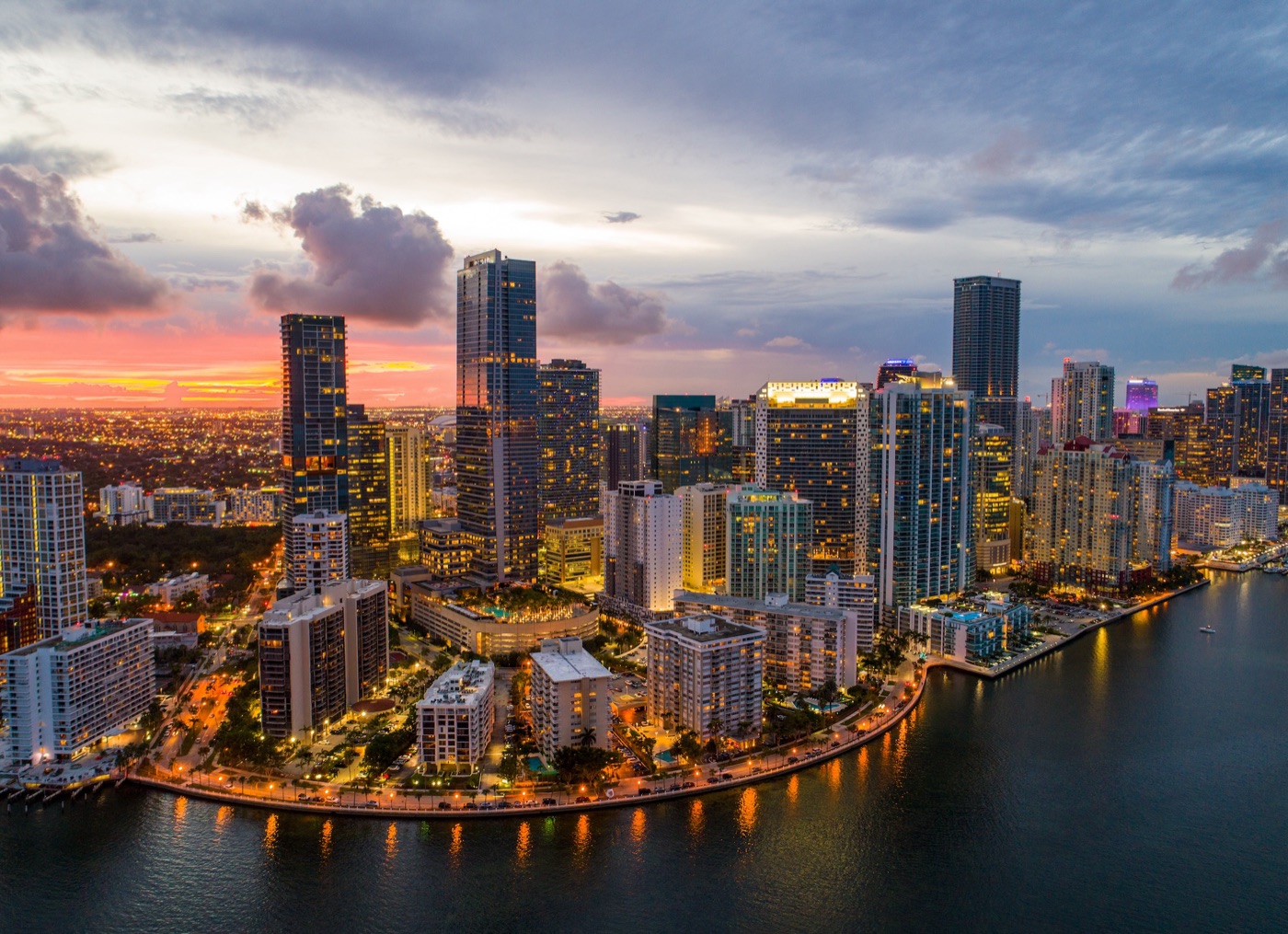
One of the features that separates true luxury high-rises from mid-tier condos in Miami is the backup power infrastructure. After a major hurricane, power outages in South Florida can last anywhere from a few days to several weeks. In a building without a robust generator system, that means no elevators, no air conditioning, no lighting in common areas, and potentially no water pressure above the lower floors.
The best buildings in Miami, including buildings like Faena House in Miami Beach, Porsche Design Tower in Sunny Isles Beach, and Four Seasons Residences in Brickell, have whole-building generator systems that can run essential systems, including elevators, corridor lighting, lobby climate control, and sometimes individual unit air conditioning, for an extended period. These systems run on large diesel or natural gas supplies stored on site.
Mid-tier buildings may only have partial generator coverage, meaning the lobby and some common areas stay powered but individual units go dark. This matters a great deal if you are renting the unit, because a tenant who loses power for two weeks in a Miami summer has a legitimate claim for rent abatement in many circumstances. Before you buy in any building, ask the association exactly what the generator covers, how many hours of fuel it can run, and when the system was last serviced. These are reasonable questions and good management teams answer them without hesitation.
The Reserve Fund and Post-Storm Repair Capacity
Florida's condominium law was significantly strengthened after the Surfside collapse in 2021, and the new reserve requirements that took effect in 2024 have changed the financial landscape for condo associations across Miami-Dade and Broward counties. Buildings are now required to maintain fully funded reserves for certain structural and safety components, which is a positive development for buyers, but it has also pushed HOA fees higher in buildings that were previously underfunded.
From a hurricane preparedness standpoint, reserve funds matter because post-storm repairs can be enormous. Even a building with excellent impact glass and a strong structural rating can sustain significant damage to the roof, the parking structure, the pool deck, or the landscaping. If the reserve fund is inadequate, the association will levy a special assessment on all unit owners to cover the gap. I have seen special assessments in older Miami Beach buildings run anywhere from $8,000 to over $50,000 per unit after a significant storm event.
When I review condo financials for buyers, I look at three things related to storm preparedness: the balance of the reserve fund as a percentage of the replacement cost study, whether the building carries adequate windstorm and flood insurance with a deductible the association can actually cover without a special assessment, and the claims history of the building over the last decade. A building that has filed multiple windstorm claims in the last 10 years may be facing higher premiums or coverage limitations going forward, and that cost will eventually land on unit owners.
Neighborhoods and Storm Risk: How Location Shapes Your Exposure
Not all Miami neighborhoods carry the same storm risk, and understanding those differences is part of what I do for every buyer I work with. Location affects both the physical exposure to storm surge and wind and the insurance cost that follows.
Key Biscayne sits on a barrier island and has significant storm surge exposure in a major hurricane. The buildings there are built to high standards and the island has a strong evacuation infrastructure, but buyers need to understand that a Category 4 or 5 storm making landfall nearby would require full evacuation and could bring significant surge. That reality is priced into insurance costs. A comparable unit in Coral Gables, which is several miles inland and at higher elevation, carries meaningfully lower wind and flood insurance premiums.
Sunny Isles Beach and Bal Harbour are also barrier island locations with direct Atlantic exposure. The luxury towers there, including Mansions at Acqualina, Trump International Beach Resort Residences, and Jade Signature, are built to extremely high standards, but buyers should run the flood zone and insurance numbers carefully before comparing them to mainland buildings in Brickell or Edgewater. Miami Beach presents a similar dynamic. South of Fifth and the Faena District are desirable addresses, but their proximity to Biscayne Bay and the Atlantic means storm surge is a real scenario in a major storm. I am not telling buyers to avoid these locations. I am telling them to understand the full cost of ownership before they fall in love with the view.
What to Check Before You Sign a Contract
The due diligence period is your window to gather all of the information above and make sure the building meets your standards. In my experience, buyers who skip this step or rush through it are the ones who call me two years later frustrated about rising HOA fees or unexpected assessments.
Here is a checklist of hurricane-related items I review with every buyer during due diligence:
The Florida condo disclosure package, which the seller is required to provide within three days of an accepted offer, includes the most recent budget, the reserve fund balance, and the association's insurance certificates. Review all of it. If you are not sure how to interpret the financial statements, that is exactly the kind of thing I walk my clients through. And if you prefer that conversation in Spanish, call me at (954) 833-0020 and we can go through it together.
Hurricane protection due diligence checklist for Miami luxury condo buyers:
- Confirm Miami-Dade Product Approval numbers for all windows, doors, and sliding glass panels
- Request the building's FEMA flood zone designation and verify it matches county records
- Ask for the generator system specifications, including what it powers and fuel capacity
- Review the most recent reserve fund study and compare funded reserves to recommended levels
- Obtain the building's current windstorm and flood insurance certificates, including deductible amounts
- Ask about any pending or recent special assessments related to storm damage or storm system upgrades
- Check the building's claims history with the association manager or your title company
- Verify the year of construction and whether the building has undergone any post-Andrew or post-Surfside structural upgrades
- Confirm whether the building has a formal hurricane preparedness plan and how residents are notified
How Hurricane Protection Affects Resale Value and Rental Income
I want to close with a point that matters especially to investors and buyers who plan to rent their unit or sell within five to ten years. Buildings with superior hurricane protection consistently outperform those without it on both resale value and rental income, particularly after storm seasons that remind the market why it matters.
In Brickell, a fully impact-rated building like Brickell Flatiron or One Brickell City Centre commands a premium over comparable older buildings on the same street, and that premium has widened over the last decade as insurance costs have made the older inventory less attractive. Buyers who purchased in newer, well-rated buildings have seen stronger appreciation and easier resale processes because the buyer pool for those units is broader, including financed buyers who would struggle to secure coverage in an older building.
For the rental market, buildings with full impact glass, whole-building generator coverage, and strong reserve funds attract a higher caliber of long-term tenant and shorter-term luxury rental guest. When I work with investor clients considering buildings in Edgewater, Midtown, or Miami Beach, I always frame the hurricane protection features as part of the income story, not just the safety story. A unit that stays fully operational through a storm event, with no elevator downtime, no AC loss, and no post-storm assessment, is a more reliable income asset than one that does not.
The Miami luxury condo market rewards knowledge. Buyers who understand what they are buying, including the storm resilience of the building and the true cost of insurance and reserves, make better decisions and build more durable wealth. That is the kind of guidance I bring to every transaction, whether you are buying your first Miami property or your fifth.
Ready to Find a Miami Luxury Condo Built to Last?
Whether you are buying in Brickell, Sunny Isles, Miami Beach, or Key Biscayne, I will help you find a building with the storm protection and financial health your investment deserves. Call Rangely Adames at (954) 833-0020 today.
Related Articles
February 2026 · 9 min read
Aventura Real Estate Guide: Condos, Schools & Lifestyle (2026)
Luxury high-rises, top-rated schools, and the Aventura Mall — why families and investors love this North Miami suburb.
Read article →February 2026 · 9 min read
Airbnb Investment Properties in Miami: Rules, ROI & Best Areas
Short-term rental regulations, income projections, and the best Miami neighborhoods for Airbnb investing.
Read article →July 2026 · 10 min read
Bay Harbor Islands Real Estate Guide: Homes, Condos & Market (2026)
Waterfront homes with private docks, boutique condos, and a top-rated K-8 school make Bay Harbor Islands one of Miami's best-kept secrets. A bilingual 2026 buyer guide with prices and consejos para compradores. Hablamos Espanol.
Read article →