What Your Neighbors Can Tell You About a Miami Condo Building (2026)
By Rangely Adames • August 2026 • 11 min read
When most buyers think about condo due diligence in Miami, they jump straight to the financials. They review the HOA budget, check the reserve fund percentage, scan the meeting minutes for pending special assessments, and call it done. That process matters, but it leaves out one of the most valuable sources of information available to you before you sign anything: the people who already live in the building.
I have been helping buyers close on condos across Brickell, Edgewater, Sunny Isles Beach, Bal Harbour, and Miami Beach for years, and I can tell you that the residents of a building know things that will never show up in a disclosure packet. They know which elevator breaks down every other month. They know whether the building manager actually enforces the no-short-term-rental policy. They know if that beautiful bay view from the 18th floor gets cut in half when the new tower next door tops out. That kind of ground-level intelligence is worth every bit as much as the audited financials.
This post is about how to gather that intelligence systematically, what questions to ask, and how to interpret what you hear. Whether you are buying a $600,000 two-bedroom in Edgewater or a $4 million penthouse on Fisher Island, the approach is the same. You are investing a significant amount of money and you deserve the full picture before you commit.
Ready to Find the Right Building for You?
I help buyers evaluate Miami condos from every angle, from the financials to the neighbors to the fine print. Call me at (954) 833-0020 for a consultation in English or Spanish. Hablamos Espanol.
Call (954) 833-0020Why Neighbors Are Your Best Research Tool
Florida law requires sellers to disclose known material defects, and condo associations are required to produce financial documents, budgets, reserve studies, and meeting minutes upon request. Those are all essential, and I always walk my clients through every page. But a document can only tell you what someone chose to write down.
A neighbor who has lived in the building for three years can tell you that the building's rooftop pool has been closed for repairs three times in the past 18 months, even though the minutes only mention one of those closures. A neighbor who owns on the south side of the building can tell you that noise from the nightclub two blocks over is audible on weeknights. A long-term owner can tell you whether the previous management company left the finances in rough shape and whether the new one is actually an improvement.
In my experience, most residents are willing to talk. People are proud of where they live and they want to share that. Others appreciate the chance to flag a real concern. Very few people will refuse a polite, genuine conversation. The key is to approach it the right way and know exactly what you are listening for.
Explore on rangelyadames.com
How to Approach Residents Without Being Intrusive
The lobby, the mailroom, and the pool deck are the most natural places to start a conversation. If you are doing a second or third showing of a unit, ask your agent whether it is appropriate to spend a few minutes in the common areas. A good agent will either accompany you or encourage it.
Your opening does not need to be complicated. Something as simple as, 'We are thinking about buying in the building and I wanted to get a feel for what it is actually like to live here,' works well. Most people respond well to straightforward honesty. You are not trying to extract secrets. You are just asking a fellow human being whether they enjoy where they live.
When I accompany clients on these informal conversations, I pay attention not just to what people say but to how they say it. Enthusiasm is a green flag. Hesitation, vague answers, or a sudden need to leave are worth noting. A resident who says 'it is fine, I guess' while glancing toward the exit is telling you something.
I also make a point of talking to the door staff and building attendants whenever I can. They see everything. They know which units have had water intrusion issues. They know which owners are routinely violating parking rules. They know the general atmosphere of the building better than almost anyone. Building employees cannot always speak freely, but a brief and respectful conversation can still reveal a lot.
The Questions That Actually Matter
Open-ended questions tend to produce the most useful answers. 'What do you like most about living here?' and 'Is there anything you wish you had known before you bought?' are both excellent starting points. But there are also specific topics worth covering in every building.
Here is a practical list of questions I coach my clients to work into conversations naturally:
Once you have gathered responses from two or three residents, patterns start to emerge. If multiple people independently mention the same concern, pay close attention. If everyone seems genuinely happy and their feedback is consistent and specific, that is a meaningful green flag.
Key questions to ask current residents before buying:
- How responsive is the building management when something needs to be repaired?
- Has the building had any recent water damage, mold issues, or mechanical failures?
- Are the short-term rental rules actually enforced, or do you see constant turnover of guests?
- How has the building handled the new Florida reserve funding requirements under SB 4-D?
- Have there been any special assessments in the past three years, and are more expected?
- How is the noise situation, both inside the building and from the surrounding neighborhood?
- Is parking straightforward, or is it a constant source of conflict?
- How would you describe the overall vibe of the building, mostly owner-occupied, mostly investors, seasonal residents?
- Is there anything you would do differently if you were buying today?
What to Look for in Brickell, Edgewater, and Downtown
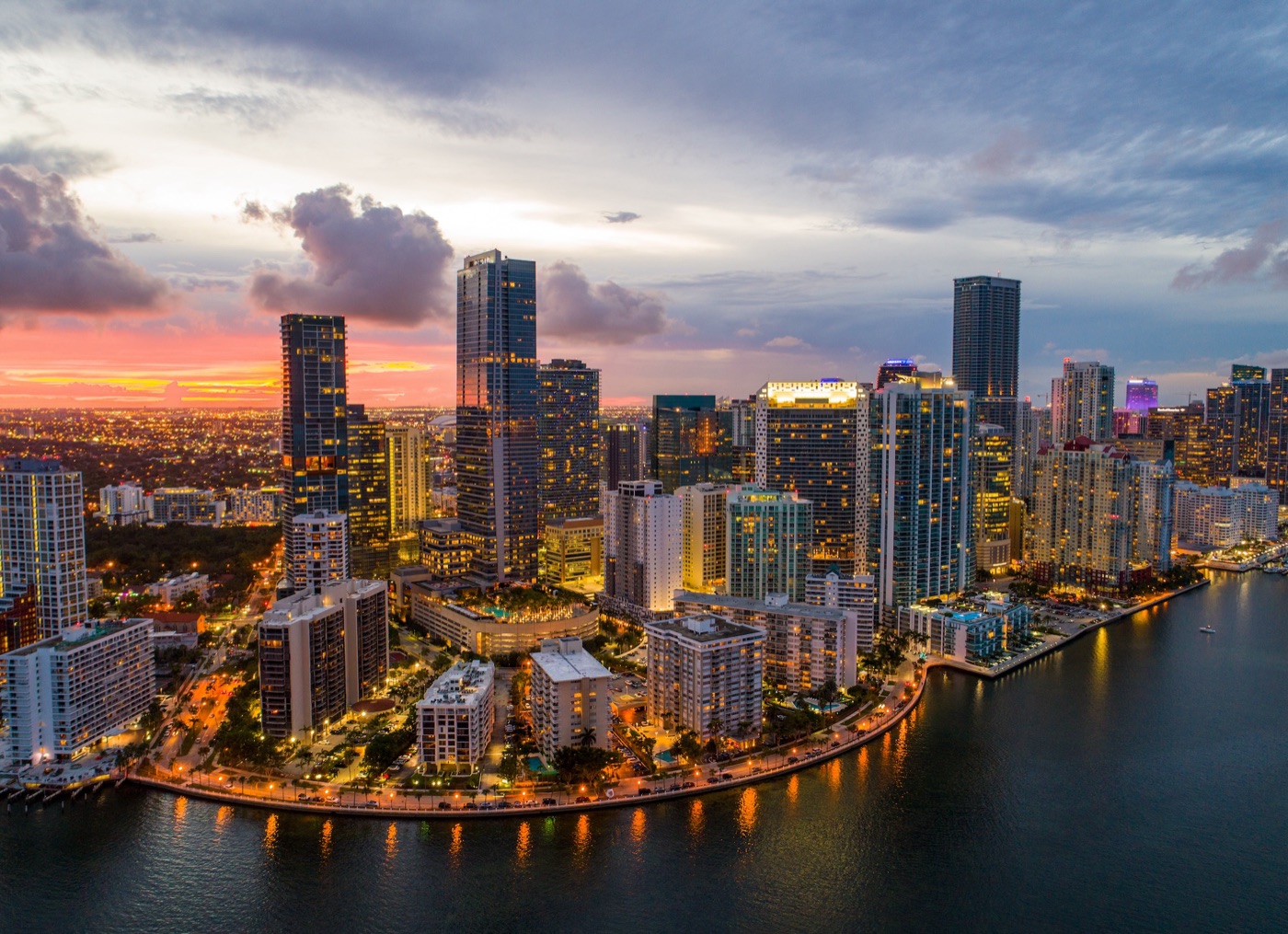
The investor concentration question is especially important in Brickell and Edgewater, two of Miami's most active condo markets. Brickell buildings like Brickell City Centre residences, SLS Brickell, and the newer Cipriani Residences attract a mix of full-time residents, domestic investors, and Latin American buyers who spend a few months a year in Miami. In a building that is heavily investor-owned and lightly occupied, you may find that common areas feel underused, management accountability is lower, and resale demand is narrower.
Edgewater has gone through a significant transformation over the past decade. Buildings along Biscayne Bay like Paraiso Bay, Elysee, and Gran Paraiso have brought a more refined resident base to the area, but the neighborhood is still evolving. Residents there can tell you about the day-to-day walkability, the noise from Wynwood events on weekends, and how the views have changed as new towers have gone up.
In Downtown Miami, near Biscayne Boulevard and around the Miami Worldcenter development, the mix of hotel-branded condos and traditional residential buildings creates a wide range of living experiences. Some buildings feel like quiet, well-managed residences. Others feel like extended-stay hotels with no sense of community. Talking to residents in both types of buildings before you decide which experience you want is time very well spent.
Sunny Isles, Bal Harbour, and the Barrier Island Premium
At the upper end of the market, buildings like Porsche Design Tower, Regalia, Armani Casa, and the Estates at Acqualina in Sunny Isles Beach carry price tags that start around $2 million and climb well above $30 million for the most exceptional units. At that level, buyers sometimes assume that everything must be perfectly managed. In my experience, the management quality in ultra-luxury buildings varies more than most buyers expect.
Residents in Sunny Isles can tell you whether the concierge services actually deliver on what the brochure promised, whether the building has maintained its common areas consistently since the initial sales frenzy settled down, and whether the seasonal ownership pattern creates months where the building feels empty and services feel reduced.
Bal Harbour is a smaller, tighter community. Buildings like One Bal Harbour and the newer St. Regis Bal Harbour Residences have a more concentrated resident base, and word travels fast. Residents there tend to be very candid because they know the market well and they have strong opinions about what makes a well-run building. If you can get even one long-term owner in Bal Harbour to sit down with you, the conversation is usually worth its weight in gold.
In all of these communities, I always ask neighbors specifically about building staff continuity. When a property manager or director of residences leaves a luxury building and gets replaced frequently, it almost always reflects a deeper governance or financial issue. Long-tenured staff is a meaningful indicator of building health.
What Neighbors Cannot Tell You and What to Do Instead
There are limits to what informal conversations will reveal. A neighbor might not know that the building has a pending construction defect lawsuit, because that information tends to stay within board meetings and legal correspondence. They may not know the precise reserve funding percentage or whether the most recent structural inspection flagged any concerns. They might not know whether the developer of their building has ongoing warranty obligations that could affect future assessments.
That is why neighbor conversations supplement, rather than replace, the formal due diligence process. Florida law gives condo buyers the right to review the declaration of condominium, the association's rules and regulations, the most recent financial statements, the current budget, and meeting minutes going back at least one year. Under the newer legislation passed after the Surfside collapse, associations in buildings three stories or taller must now complete milestone inspections and structural integrity reserve studies, and the results of those studies must be available to buyers.
I always recommend that my clients hire a licensed Florida condo attorney to review the documents alongside me. Attorney fees for a condo document review typically run between $500 and $1,200 depending on the complexity, and that expense has saved my clients from far more costly mistakes more than once. The combination of legal review plus informal neighbor research gives you a more complete picture than either one alone.
If you have questions about the due diligence process at any stage, call me directly at (954) 833-0020. I walk every buyer through both the formal and informal research steps before we get anywhere near a contract.
Red Flags That Should Make You Pause
Over the years, I have developed a short list of things that, when I hear them from multiple residents or observe them directly, prompt a serious conversation with my client about whether to continue.
A building where multiple residents mention delayed maintenance responses is a management problem that tends to get worse, not better. A building where residents mention that special assessments keep coming up, even relatively small ones, may have a reserve fund that is chronically underfunded. Under the post-Surfside legislation, associations that fail to maintain adequate reserves for structural components face increasingly serious legal consequences, and those consequences can translate directly into large assessments for individual owners.
If residents mention that the board has been locked in conflict for the past year, or that there was a contested election recently, that internal tension affects everything from vendor contracts to maintenance prioritization. In my experience, a fractured board is one of the hardest problems for a building to recover from quickly.
Buildings where short-term rental enforcement is lax also warrant caution. If guests are cycling through on Airbnb or Vrbo despite rules against it, the building is likely dealing with higher wear on common areas, security concerns, and a resident base that feels their investment is not being protected. That perception, whether or not it is fully accurate, tends to depress resale values over time.
None of these factors is necessarily a deal-breaker on its own. But each one should prompt deeper investigation, a frank conversation with the listing agent, and a careful look at the board meeting minutes from the past 24 months.
How This Research Shapes Your Offer
When the neighbor research and formal due diligence come back clean, you can move toward your offer with confidence. In a competitive building with strong fundamentals, I often counsel buyers to move quickly and avoid letting strong hesitation turn into a missed opportunity. Well-managed buildings in prime locations in Coral Gables, Coconut Grove, and Key Biscayne tend to hold value consistently, and units in those buildings rarely sit on the market for long.
When the research surfaces concerns, those concerns become negotiating tools. A building facing a likely special assessment in the next two years is a building where a buyer has legitimate grounds to negotiate a price reduction or to require the seller to escrow funds at closing to cover the anticipated assessment. A unit with documented noise issues that the seller did not disclose gives a buyer additional leverage and, potentially, grounds to walk away during the inspection period.
I always present the results of my informal neighborhood research to my clients as part of the overall picture, alongside the financial documents and the inspection report. My job is to give you the clearest possible view of what you are buying, not just the highlights. If you are a Latin American buyer navigating this process from abroad, I want you to know that I conduct all of my consultations in both English and Spanish. Hablamos Espanol, and I understand the unique concerns that come with purchasing from another country, from financing structures to FIRPTA obligations to property management from a distance.
If you are ready to start your condo search in Miami, or if you are already in the process and want a second set of eyes on a building you are considering, I would love to talk. Call me at (954) 833-0020 and let us make sure you have every piece of information you need before you move forward.
Let's Talk Before You Buy
Every condo purchase in Miami deserves thorough due diligence and an agent who knows the buildings, not just the listings. Call Rangely Adames at (954) 833-0020 and let's make sure you are buying with full confidence.
Related Articles
February 2026 · 9 min read
Aventura Real Estate Guide: Condos, Schools & Lifestyle (2026)
Luxury high-rises, top-rated schools, and the Aventura Mall — why families and investors love this North Miami suburb.
Read article →February 2026 · 9 min read
Airbnb Investment Properties in Miami: Rules, ROI & Best Areas
Short-term rental regulations, income projections, and the best Miami neighborhoods for Airbnb investing.
Read article →July 2026 · 10 min read
Bay Harbor Islands Real Estate Guide: Homes, Condos & Market (2026)
Waterfront homes with private docks, boutique condos, and a top-rated K-8 school make Bay Harbor Islands one of Miami's best-kept secrets. A bilingual 2026 buyer guide with prices and consejos para compradores. Hablamos Espanol.
Read article →