Miami Luxury Condo Noise: What Buyers Need to Know (2026)
By Rangely Adames • July 2026 • 11 min read
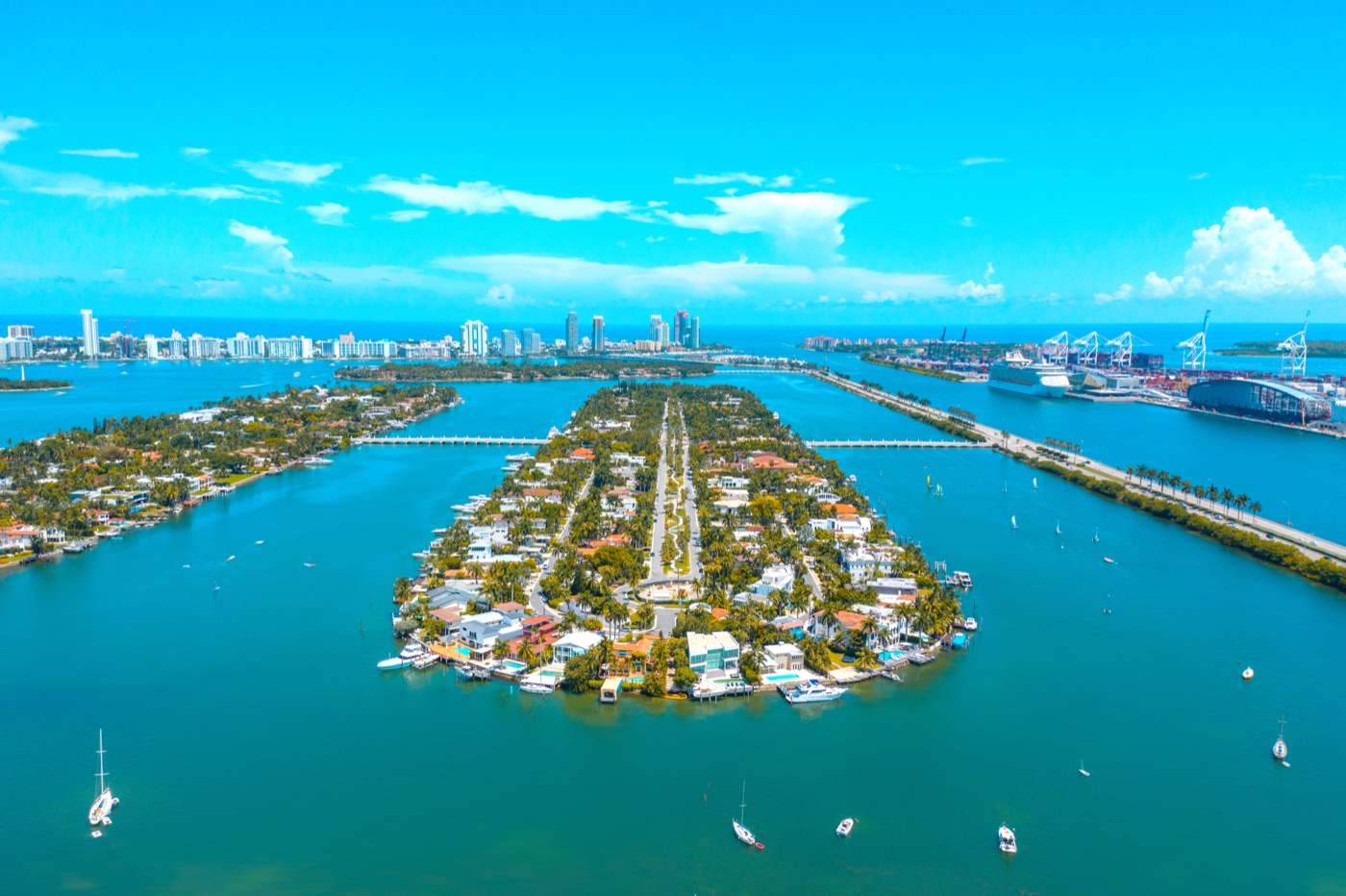
When my clients start touring luxury condos in Miami, they are focused on views, finishes, and square footage. Almost nobody asks about noise. That is a mistake I have watched cost people hundreds of thousands of dollars when they eventually sell a unit that turned out to be loud, uncomfortable, or simply unlivable for their lifestyle. After years of working with buyers across Brickell, Edgewater, Sunny Isles Beach, Bal Harbour, and Miami Beach, I can tell you that noise is one of the single most important quality-of-life factors in a high-rise, and it is almost never discussed clearly in a listing.
Miami is a vibrant, high-energy city and that is exactly why people want to live here. But vibrant and high-energy also means construction cranes on every other block, nightclubs that run until 5 a.m., Brickell Avenue traffic that never fully stops, and neighbors above you, below you, and on three sides. The good news is that newer luxury buildings have made enormous strides in acoustic engineering. The challenging news is that not all buildings are equal, and even in a well-built tower the specific unit location matters enormously.
This guide walks you through everything I tell my own clients before they make an offer. I will cover the types of noise you will encounter in Miami high-rises, what construction details actually matter, which neighborhoods and building categories carry the most risk, what to look for during your walkthrough, and what questions to ask the condo association. If you want to talk through a specific building you are considering, call me directly at (954) 833-0020. Hablamos Espanol.
Ready to Find a Quiet Luxury Condo in Miami?
I help buyers evaluate buildings the right way, before they close. Call me at (954) 833-0020 for a consultation in English or Spanish. Hablamos Espanol.
Call (954) 833-0020The Four Types of Noise in Miami High-Rise Condos
Before you can evaluate a building or a unit, you need to understand what kind of noise you are actually dealing with. In my experience, there are four distinct categories that affect Miami buyers, and each one has a different source, a different solution, and a different level of predictability.
The first category is airborne sound. This is music from a neighbor's unit, a television through a shared wall, voices in a hallway, or a party happening two floors up. Airborne sound travels through the air and passes through walls, floors, and ceilings based on how well those assemblies are constructed. In a building from the 1980s or 1990s, you may hear a neighbor's conversation more clearly than you would like. In a properly engineered post-2010 building, airborne sound between units should be minimal.
The second category is impact noise. This is the sound of footsteps from the unit above you, someone dropping a pan in their kitchen, a child running across a tile floor, or a fitness bike being used at 6 a.m. Impact noise is mechanically transmitted through the structure of the building itself and it is notoriously harder to block than airborne sound. Even expensive, well-built buildings struggle with impact transmission, particularly in units with high ceilings and hard flooring. This is the category that surprises buyers most often.
The third category is mechanical noise. HVAC systems, elevator machinery, trash chutes, generator rooms, and pool equipment all produce constant or intermittent mechanical sound. Units near elevator banks, mechanical rooms, or rooftop equipment are disproportionately affected. Before making an offer, I always ask the building engineer or property manager where the mechanical rooms are located relative to the unit we are considering.
The fourth category is exterior noise. Miami sits at the intersection of an international airport flight path, a busy port, a major highway system, and an active nightlife scene. Brickell units facing I-95 will hear traffic at all hours. Units in South Beach near Ocean Drive or Collins Avenue will hear music and people well past midnight on weekends. Units in Edgewater near the Wynwood border are exposed to event noise that has grown considerably as the neighborhood has developed. Floor-to-ceiling impact glass is standard in luxury buildings, but the quality of installation and the specific window specifications vary, and they matter.
Explore on rangelyadames.com
How Building Construction Determines What You Hear
The single most important factor in how quiet a Miami condo will be is how the building was actually built. This is something buyers rarely research and developers rarely volunteer.
Concrete construction is far superior to light-frame or steel-frame construction when it comes to sound attenuation. Most Miami luxury towers are poured concrete, which is a meaningful advantage over wood-frame or metal-stud construction you might find in townhouses or mid-rise buildings. However, concrete alone is not enough. The thickness of the concrete slab between floors matters, and so does whether the builder installed acoustic underlayment, resilient channels, or floating floor assemblies.
Post-tension concrete slabs, which are common in Miami high-rises built after the mid-1990s, tend to perform better than older flat-plate systems. Buildings constructed after 2010 and especially those from 2015 onward often spec 8-inch to 10-inch concrete slabs between floors, which provides a meaningful baseline of sound isolation. Buildings from the 1980s and 1990s sometimes used thinner slabs, and a few mid-century towers still standing in Miami Beach have slabs as thin as 5 inches.
Wall assemblies between units are equally important. A double-stud drywall partition with acoustic insulation performs dramatically better than a single layer of drywall over concrete block. In my experience, the newer ultra-luxury buildings in Brickell and Sunny Isles, such as those in the One Thousand Museum, Brickell Flatiron, and Porsche Design Tower categories, have invested heavily in acoustic wall assemblies because their buyers demand it and their price points require it. Buildings in the $500 to $800 per square foot range may or may not have made those same investments.
One practical test I recommend to clients during a walkthrough is to knock on walls that separate their unit from neighboring units. A hollow knock indicates a light assembly that will transmit more sound. A dense, solid knock indicates a heavier assembly. It is not a scientific measurement, but in my experience it correlates well with real-world performance.
Neighborhoods and the Noise Profile You Should Expect
Not all Miami neighborhoods carry the same noise risk, and the risk profile shifts depending on what kind of noise bothers you most.
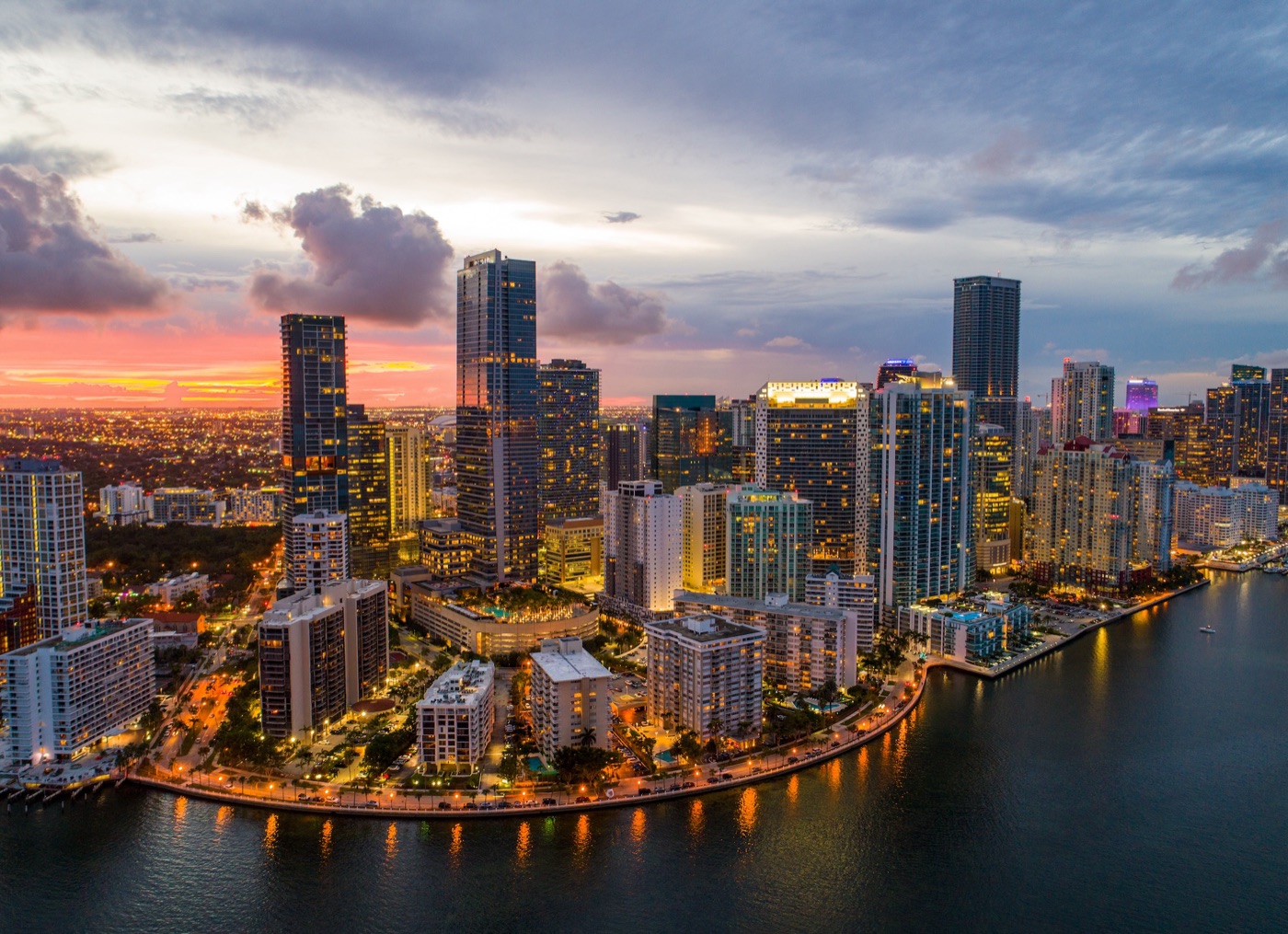
Brickell is Miami's densest urban core and its noise environment reflects that. Brickell Avenue, SW 8th Street, and I-95 create a constant ambient hum that never fully stops. Units on the east-facing side of a Brickell tower may catch Biscayne Bay breezes and beautiful water views, but they also face the Metromover track, which runs frequently throughout the day. Construction activity in Brickell has been near-continuous for the past decade and shows no sign of slowing in 2026, so buyers should expect construction noise as a temporary but recurring reality.
Miami Beach, particularly South Beach between 5th Street and 15th Street, is a nightlife neighborhood first and a residential neighborhood second. If you are buying in that corridor, you need to make peace with the fact that there will be people, music, and vehicles outside your building at 3 a.m. on a Saturday. Mid-Beach, roughly from 20th Street to 44th Street, is considerably quieter, and North Beach above 63rd Street is quieter still. Buyers who tell me they want Miami Beach but need peace and quiet are often better served by the Surfside or Bal Harbour strip, where the entertainment scene is far more muted.
Edgewater and Wynwood have transformed rapidly, and noise has come with that transformation. Edgewater condos along Biscayne Boulevard face traffic and, increasingly, event noise from Wynwood venues that have expanded toward the bay. The high-rises in Edgewater, including Paraiso Bay, Missoni Baia, and Gran Paraiso, are generally well-built, but the neighborhood itself is louder than it was five years ago.
Sunny Isles Beach offers a genuine alternative for buyers who want ocean proximity without South Beach nightlife. The corridor along Collins Avenue in Sunny Isles is primarily residential, and the dominant sound is ocean wind and the occasional Collins Avenue traffic. Buildings like Acqualina, Porsche Design Tower, and Regalia cater to buyers for whom quiet is non-negotiable, and the construction quality in that corridor reflects those expectations.
Key Biscayne remains the quietest luxury address in Miami proper. The Crandon Boulevard corridor and the gated communities near Cape Florida are genuinely tranquil by Miami standards. Coconut Grove and Coral Gables are also significantly calmer than Brickell or Miami Beach, particularly in the single-family and low-rise condo segments. Buyers who rank quiet above everything else should be looking at these neighborhoods first.
Unit Location Within the Building: What Actually Matters
Even within a well-built tower, some units are dramatically quieter than others. The specific unit location within the building is one of the most important details to evaluate, and it is something a good buyer's agent should walk you through before you make an offer.
High floors are generally quieter than low floors when it comes to street noise. The urban noise floor of a city drops measurably as you climb above roughly the 20th floor. By the time you are at the 40th floor or above in a Brickell or Sunny Isles tower, the street below is effectively inaudible. However, high floors bring their own acoustic challenge: wind noise. At high elevations, wind interacts with the building facade and windows in ways that can create a low-frequency hum or a whistling sound. In a building with premium impact glass and proper sealing, this is minor. In a building where the windows are standard spec, it can be quite noticeable.
Corner units are a mixed case. They offer extra views and fewer shared walls with neighbors, which reduces exposure to neighbor noise. However, they also have more exterior surface area, which increases exposure to wind and exterior sounds.
Units adjacent to the elevator core, trash rooms, or mechanical spaces are at a structural disadvantage regardless of how well the building was built. Elevators generate low-frequency mechanical noise and vibration that transmits through the concrete. Trash chutes are among the loudest ongoing sources of noise in a residential tower, and units directly beside them face an unrelenting series of impacts throughout the day and evening. I always pull the building floor plan before showing a unit and mark the elevator banks, trash chutes, and any known mechanical rooms. If the unit we are considering shares a wall with any of those features, I flag it for the client immediately.
Pool decks and amenity floors are another noise source to consider. If the amenity level of the building is on the 10th floor directly below a residential floor, the units on the 11th floor may hear pool parties, fitness classes, and events from below. This is not hypothetical. I have had clients who loved their unit at first and grew frustrated with the noise over time because they did not realize their floor was directly above the building's event space.
Questions to Ask Before You Close
One of the most practical things I do for every buyer client is prepare a targeted list of noise-related questions to direct at the seller, the property manager, and the condo association. Here is exactly what I recommend asking:
Ask the seller directly whether they have ever filed a noise complaint with the association or had a noise complaint filed against them. In Florida, this type of history may be disclosed or discoverable through association records. Ask whether they are aware of any ongoing noise issues from neighboring units or from the building's mechanical systems. Sellers are not always forthcoming, but the question itself can surface useful information.
Ask the property manager for the complaint log related to noise over the past two years. Many associations maintain these records and they are often available to prospective buyers during the due diligence period. A building with dozens of noise-related complaints in the log tells a very different story than one with none.
Ask what the building's flooring rules are. Many luxury buildings require a minimum percentage of soft flooring coverage, such as rugs over tile or hardwood, specifically to reduce impact noise transmission to units below. If the building has no flooring policy, the unit above you can install polished marble over a thin slab and you will hear every step. Ask whether the unit you are buying is subject to any flooring rules and whether the current unit above yours is in compliance.
Finally, ask about upcoming construction. In 2026, Miami has multiple major construction projects underway near virtually every urban neighborhood. A new tower going up next door means 12 to 18 months of early-morning jackhammers and concrete pours. This is manageable if you know about it in advance. It is infuriating if you discover it after closing.
To summarize the key questions I recommend asking before closing on any Miami condo:
- Has the seller or any neighbor filed a noise complaint in the past two years?
- Does the association maintain a complaint log and can you review it?
- What are the building's flooring rules and is every unit currently in compliance?
- Where are the elevator banks, trash chutes, and mechanical rooms relative to this unit?
- Is there active construction on adjacent parcels and what is the projected completion date?
- What is the concrete slab thickness between floors in this building?
- Does the building permit short-term rentals, and if so, what is the current rental mix? Higher rental percentages often correlate with more transient, louder residents.
- What are the building's quiet hours and how are they enforced?
The Short-Term Rental Factor and Why It Matters for Noise
This point deserves its own section because it has become increasingly relevant in Miami over the past few years. Buildings that permit short-term rentals through platforms like Airbnb and VRBO attract a rotating population of guests who are often in Miami specifically to have a good time. That is not a criticism. It is simply a reality that affects the noise environment of the building.
In a building where 30 percent of units are operating as short-term rentals, the hallways, elevators, and amenity spaces behave more like a hotel than a residential community. Groups arrive at midnight with luggage and conversation. Pool parties are held by people who have no long-term stake in the building's culture. Common area rules are routinely ignored because guests are unfamiliar with them and there for only a few days.
Before you buy in any Miami condo building, I strongly recommend pulling the association's current rental data. In Florida, this is often disclosed through the condo questionnaire that is part of the standard due diligence package. If a building has a high percentage of short-term rental units, factor that into your noise expectations. Some buyers are perfectly fine with a livelier building culture. Others are not, and discovering this after closing is an expensive way to find out.
The buildings with the lowest noise complaint rates I have encountered in my practice are generally the ones with strong rental restrictions, active board enforcement, and high owner-occupancy rates. These include many of the boutique luxury buildings in Coral Gables, some of the older white-glove towers on Fisher Island, and the strictly owner-occupied segments of Bal Harbour Shops-adjacent buildings.
What You Can Do After You Buy: Practical Noise Mitigation
If you already own a Miami condo and noise is an issue, or if you are buying a unit and you know going in that it has some exposure, there are meaningful improvements you can make within the rules of most condo associations.
The single highest-impact upgrade you can make is flooring. Replacing hard tile or hardwood with a softer material, or adding area rugs over hard flooring, reduces the impact noise you generate and transmit to the unit below. It does not fix the noise you receive from above, but in buildings where everyone adopts this practice, the whole stack benefits.
Window treatments with acoustic mass, such as heavy curtain panels with thermal backing, can reduce exterior noise transmission meaningfully. This is not soundproofing in any engineering sense, but a floor-to-ceiling curtain panel over your impact glass windows can drop the ambient exterior noise by several decibels, which is noticeable in practice.
For mechanical HVAC noise, which is common in older Miami towers, you can often work with a licensed HVAC contractor to add acoustic insulation around ductwork or to replace aging air handlers with quieter variable-speed units. Some associations require board approval for this kind of modification, so check before you proceed.
If you are dealing with a specific noisy neighbor rather than a systemic building issue, the most effective approach in my experience is to go through the condo association's formal process. Document the noise with timestamped notes and, where appropriate, recordings. Submit a written complaint to the board. Florida condo law gives associations authority to fine unit owners for rule violations, including noise violations, and most luxury buildings take this seriously when the complaint is properly documented.
How I Help Buyers Evaluate Noise Before Making an Offer
Noise evaluation is part of every buyer consultation I do. When a client tells me they are considering a specific building, I pull the floor plan and mark the structural risk zones before we set foot in the property. During the showing itself, I always ask the listing agent to turn off any music or ambient sound systems in the unit, which are commonly used to mask building noise during showings. I ask my client to stand still and simply listen for two to three minutes at different times of day.
For serious buyers, I recommend visiting the unit at least twice at different times. A Saturday morning visit tells a very different story than a Tuesday afternoon visit. If the building is near Brickell Avenue or a busy nightlife corridor, I also recommend a late evening visit before going under contract. You want to know what the building sounds like when the city is fully alive, not just during a quiet weekday showing.
I also network with agents who represent owners in buildings my clients are considering. A quick conversation with an agent who has a listing in the same tower can surface information about known issues that would not appear in any public record. This kind of on-the-ground intelligence is one of the real advantages of working with an agent who is deeply embedded in the Miami market.
Whether you are buying your first Miami condo, upgrading to a luxury unit in Brickell or Sunny Isles, or buying as an investment, getting the noise question right protects your quality of life and your resale value. Buyers who discover noise issues after closing almost always regret not asking more questions upfront. I am here to make sure you have those questions answered before you sign anything.
Call me at (954) 833-0020 to talk through any building you are considering. I work with buyers in English and Spanish, and I am happy to walk you through what I know about specific towers, specific floors, and specific unit positions before you make one of the most important purchases of your life. Hablamos Espanol.
Let's Find the Right Building for Your Lifestyle
Whether you are focused on Brickell, Sunny Isles, Bal Harbour, or anywhere in between, I know these buildings well and I will help you ask the right questions before you commit. Call (954) 833-0020 today.
Related Articles
September 28, 2026 · 10 min read
Argentine Buyers Guide to Miami Real Estate: Process, Financing Themes, and Neighborhood Fit (2026)
Buying Miami real estate from Argentina is workable when you separate what your agent coordinates from what your attorney, CPA, and lender decide. This support guide walks through the process, financing themes, remote closing, and neighborhood fit, then points you to the Argentina foreign-buyer hub for next steps.
Read article →February 2026 · 9 min read
Aventura Real Estate Guide: Condos, Schools & Lifestyle (2026)
Luxury high-rises, top-rated schools, and the Aventura Mall — why families and investors love this North Miami suburb.
Read article →February 2026 · 9 min read
Airbnb Investment Properties in Miami: Rules, ROI & Best Areas
Short-term rental regulations, income projections, and the best Miami neighborhoods for Airbnb investing.
Read article →