How to Negotiate the Best Price on a Miami Luxury Condo (2026)
By Rangely Adames • June 2026 • 11 min read
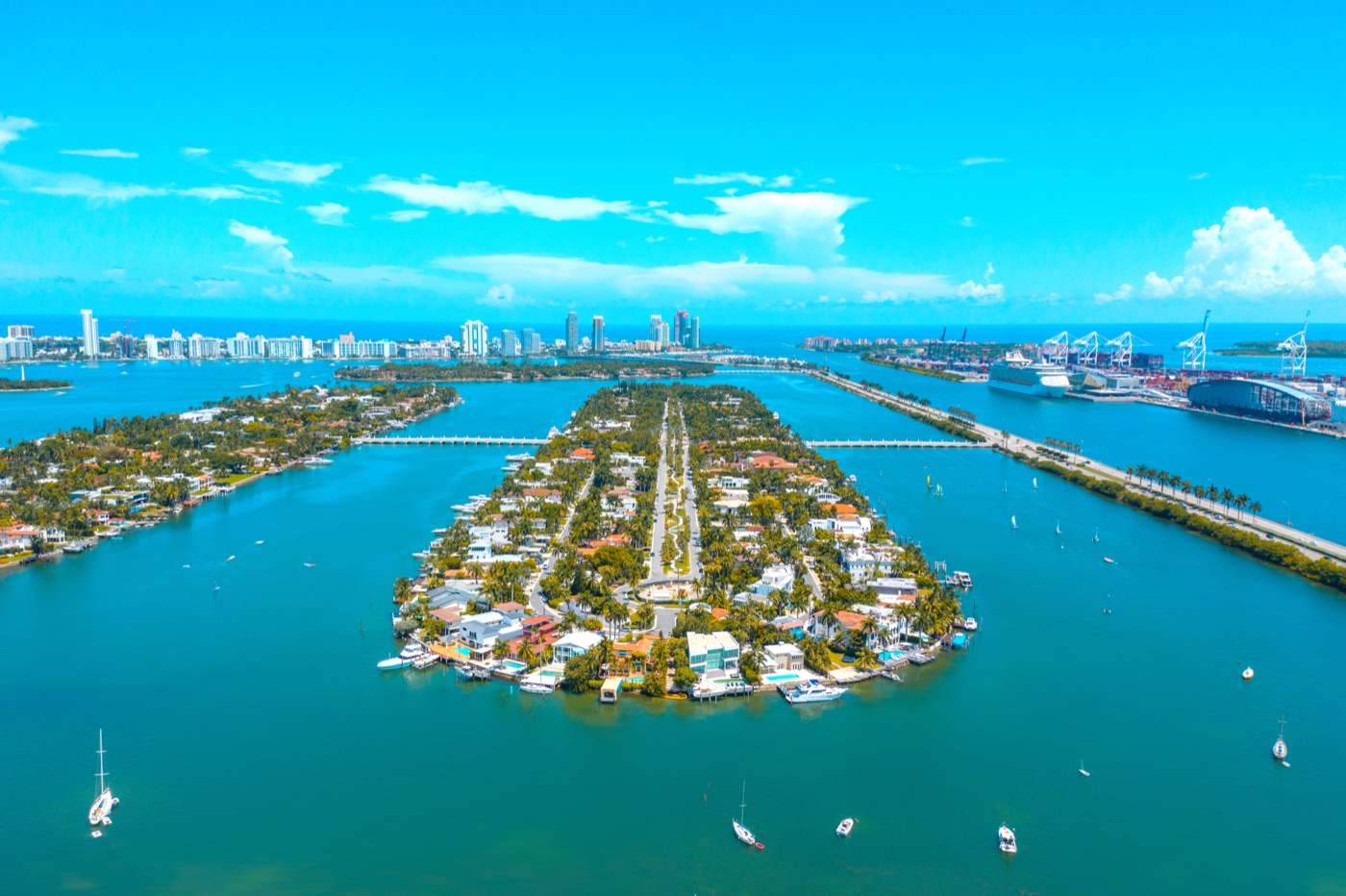
Buying a luxury condo in Miami is one of the most significant financial decisions you will make, and the negotiation process is where serious money is either saved or left on the table. I work with buyers every week across Brickell, Edgewater, Sunny Isles Beach, Miami Beach, and Bal Harbour, and I can tell you that the gap between a well-negotiated deal and a poorly structured one can easily run from $50,000 to $200,000 or more on a high-end unit.
The Miami luxury condo market does not behave the way most buyers expect. Sellers at the $1 million and above price point are often well-capitalized and patient. They are not always desperate to close quickly, and some have been carrying units for years waiting for the right number. That patience can work against a buyer who walks in with an aggressive lowball offer without the right supporting data. Knowing how to read a seller's situation, the building's history, and current inventory levels is what separates a smart offer from an insulting one.
Over the years I have helped buyers from Venezuela, Colombia, Brazil, Argentina, and across the United States close on everything from $800,000 one-bedroom units in Brickell to $8 million penthouses on the water. The strategies I am sharing here are the exact ones I use in real negotiations, not theoretical advice pulled from a textbook. If you want to walk through any of these steps with me personally, call me at (954) 833-0020. Hablamos Espanol.
Ready to Make a Strong Offer?
I help buyers negotiate luxury condos across Miami every day, and I work with clients in both English and Spanish. Hablamos Espanol. Call me at (954) 833-0020 and let's talk about your target building and budget.
Call (954) 833-0020Understand the Difference Between List Price and Market Value
The first thing I tell every buyer is that the list price on a Miami luxury condo tells you almost nothing on its own. Sellers and their agents set list prices based on a wide range of factors, including what their neighbor got two years ago, what they still owe on the unit, and sometimes just wishful thinking. My job is to find out what the unit is actually worth based on current comparable sales.
In buildings like Aria on the Bay in Edgewater or Jade Signature in Sunny Isles Beach, I pull every closed sale in the past six to twelve months, filter by floor, view orientation, and unit size, and build a real picture of market value. If a seller is listed at $2.1 million and the most recent comparable closed at $1.85 million, that $250,000 gap is the conversation we are having before we ever write an offer.
Price per square foot is a useful starting point, but it is not the whole story. A unit on the 45th floor with direct ocean views in a building like Porsche Design Tower or Regalia in Sunny Isles commands a meaningful premium over a unit on the 12th floor with a partial bay view, even if they are the same square footage. Understanding that premium, and being able to justify your offer number with data, is what makes your offer credible and your negotiation effective.
Explore on rangelyadames.com
Research the Building and the Specific Unit Before Making an Offer
A strong negotiation position starts with knowing things the seller may not expect you to know. Before I write any offer, I research the individual unit's ownership history, how long it has been on the market, how many price reductions it has seen, and whether there are any liens or special assessments attached to it.
Special assessments are a powerful negotiating tool in Miami. Buildings like some older towers on Collins Avenue or pre-Surfside condominiums in Miami Beach have faced significant structural recertification costs and reserve fund requirements under Florida's SB 4-D legislation. If a building has a pending special assessment or an underfunded reserve account, that is a legitimate reason to adjust your offer price or ask the seller to credit those costs at closing.
I also look at how long the unit has been listed. A unit that has been sitting for 180 days or more in a building where others are selling within 60 days is sending a clear signal. Maybe the price is too high, maybe there is a floor plan issue, or maybe the seller's situation has changed. Any of those factors can become leverage in the right negotiation.
Building financials matter too. I always request the condo association's most recent budget, reserve study, and meeting minutes. If the reserve fund is below 50 percent of the recommended threshold, the building may face a special assessment in the next few years. That risk should be reflected in your offer price, and most sellers who are not well-advised will not have anticipated that argument.
Know the Miami Neighborhoods Where Buyers Have the Most Leverage
Not every Miami submarket gives buyers the same negotiating room. In my experience, leverage varies significantly by neighborhood, price point, and current inventory.
Edgewater and Midtown Miami have seen a surge of new construction completions in the last two years, which means buyers in buildings like One Edgewater or Missoni Baia have more resale competition to work with. When there are twenty comparable units available in a building, a seller knows you have options and that changes the dynamic significantly.
Brickell, particularly in the ultra-luxury segment above $3 million, tends to be tighter because inventory of truly finished, turnkey units is limited. However, even there I find opportunities when a seller has already purchased elsewhere and needs to close by a specific date. That timing pressure is often more valuable than any price reduction argument.
In Bal Harbour and Fisher Island, sellers are typically high-net-worth individuals who are not under financial pressure. The negotiation there is less about squeezing on price and more about structuring terms that work for both sides. A flexible closing date, a clean offer without excessive contingencies, or a larger deposit can often get you a better result than simply offering less money.
Sunny Isles Beach remains one of the most active markets for Latin American buyers, and I work with many clients in buildings like Acqualina, Porsche Design Tower, and Trump Royale. In that corridor, knowing whether a seller is a foreign national with estate planning concerns or a domestic investor looking to do a 1031 exchange can completely change how you structure your offer.
What to Include in a Strong Offer Beyond the Purchase Price
Most buyers focus entirely on the purchase price, but the most sophisticated negotiations I have been part of involve a complete package of terms, not just a number. Here are the key elements I use to build a compelling offer for my buyers:
A larger earnest money deposit signals seriousness and financial strength. On a $2 million condo, putting up $100,000 instead of the typical $20,000 to $40,000 tells the seller you are not going to walk away over minor issues.
Closing timeline flexibility can be worth more than a price reduction to certain sellers. If a seller needs 90 days to move out or is waiting on a replacement property, offering to match their preferred timeline costs you almost nothing but can earn significant goodwill.
Financing contingency waivers, where appropriate, can make a cash or well-qualified buyer significantly more attractive. I work with many international buyers who purchase in cash, and a clean cash offer with a 30-day close is often more compelling to a Miami luxury seller than a financed offer at a higher price.
Inclusion or exclusion of specific furnishings and fixtures is another negotiating tool. Many luxury sellers have custom furniture, art installations, or built-in technology that they may not want to move. Agreeing to take the unit fully furnished, or negotiating the furniture package as a separate credit at closing, can add real value to the deal without touching the contract price.
A strong offer in the Miami luxury market covers all of the following:
- Purchase price supported by comparable sales data
- Earnest money deposit of at least 5 to 10 percent of the purchase price
- Closing date aligned with the seller's known timeline
- Clear financing terms or proof of funds for cash buyers
- Inspection and due diligence period of 10 to 15 days
- Furniture and fixture inclusions or exclusions spelled out clearly
- Special assessment credits or seller contributions toward HOA reserves if applicable
- Pre-approval letter or bank letter of credit for financed buyers
How to Handle Counteroffers Without Losing the Deal
Getting a counteroffer is not a rejection, it is an invitation to negotiate. I see buyers walk away from perfectly good deals because they took a seller's counteroffer personally or assumed the gap was too large to bridge. In most luxury condo transactions I have handled, the final price ends up somewhere between the first offer and the first counter, and getting there takes patience and strategy.
My rule is to never respond to a counteroffer immediately. Taking 24 to 48 hours to respond, even if you already know what you want to do, signals that you are not desperate and that you are carefully evaluating the terms. That psychological positioning matters in high-stakes negotiations.
When I respond to a counter, I always come back with a full revised offer that includes not just a price adjustment but other terms that may help close the gap. If the seller comes back at $2.05 million after I offered $1.85 million, I might move to $1.93 million while also offering a faster close or removing a contingency. That shows movement in good faith without simply splitting the difference on price.
The biggest mistake I see buyers make in counteroffers is telegraphing their ceiling too early. If you tell your agent you will go up to $2 million no matter what, and your agent hints at that to the listing agent, you have already lost significant leverage. Keep your true ceiling private and let the negotiation develop through the terms.
Timing Your Offer to the Miami Real Estate Calendar
Miami has a distinct real estate calendar that most out-of-town buyers and many domestic buyers do not fully understand. Knowing when to move can directly affect your negotiating position.
The Miami market picks up significantly from November through April, driven by snowbirds, winter visitors, and Latin American buyers who travel during the holiday season. Inventory tends to tighten during this period and sellers feel less urgency to negotiate because they have more showings and more competing offers. This is generally not the best time to push for deep discounts on a desirable unit.
The summer months, particularly June through August, tend to see reduced buyer activity. Miami is hot, humid, and many sellers with discretion would prefer to wait, but sellers who are motivated enough to keep their units listed through the summer are often the most negotiable. I have closed some of my best deals for buyers during this window.
Art Basel in December brings a specific wave of luxury buyers to Miami Beach and Brickell, and some sellers deliberately time their listings to catch that crowd. If you are buying during Art Basel week, expect to compete more aggressively. Conversely, the two to three weeks after Art Basel, when the visitors leave and the calendar quiets down, can be an excellent window for negotiating on listings that did not close during the event.
Interest rate cycles also affect buyer behavior in Miami, even in the luxury segment. When rates are elevated, more buyers are priced out of the financed market, but cash buyers in the luxury tier actually benefit because they face less competition. I have helped multiple cash buyers use a high-rate environment as leverage to negotiate prices that would have been impossible when mortgage buyers were more active.
Working With Foreign Buyers and Latin American Clients on Negotiations
A large portion of my practice involves working with buyers from Latin America, and there are specific nuances in luxury condo negotiations that I always walk my international clients through before we make any offers.
One of the most common misunderstandings is around the concept of negotiating room in the United States compared to property transactions in countries like Venezuela, Mexico, or Colombia. In many Latin American markets, it is customary to offer 20 to 30 percent below asking and work up from there. In Miami's luxury market, that kind of offer on a well-priced listing will often simply be ignored, particularly if the seller has other interest. I work with my clients to calibrate expectations based on real data, not cultural assumptions.
Foreign buyers should also understand that financing adds complexity to negotiations even in the luxury segment. Most major Miami banks and international lenders will offer portfolio loans to non-resident buyers, but the process takes longer and sellers know it. If you are a foreign buyer competing with a domestic cash buyer, having your bank letter in order before you make an offer is not optional, it is essential.
FIRPTA withholding requirements also factor into negotiations when the seller is a foreign national. As the buyer's representative, I always research whether FIRPTA applies to the transaction because the withholding obligation falls on the buyer. Knowing this early allows us to structure the contract language correctly from the start and avoid surprises at the closing table.
I have worked with clients from over a dozen countries and I conduct negotiations in both English and Spanish. If you are more comfortable discussing strategy in Spanish, I am here for that conversation. Hablamos Espanol, and you can reach me directly at (954) 833-0020.
What to Do After Your Offer Is Accepted
Getting to an accepted offer is only the beginning. The due diligence period in a Miami luxury condo transaction is where many deals are renegotiated or additional value is captured, and a buyer who is not paying attention during this phase is leaving money behind.
The inspection is your most important tool during due diligence. On a luxury unit, I always recommend hiring a certified inspector who specializes in high-rise residential properties in South Florida. Common issues I have seen discovered during inspections include HVAC units near the end of their useful life, water intrusion around impact windows and sliding glass doors, balcony waterproofing failures, and outdated electrical panels in older buildings. Any of these findings can support a request for a price reduction or seller credit.
You should also have your attorney or title company complete a full title search and review the condo documents during this period. The condo documents include the declaration, bylaws, rules and regulations, and all meeting minutes. I have seen deals where the minutes revealed pending litigation against the building, a planned special assessment, or construction defects that were not disclosed. Knowing this information before you close is priceless.
Finally, confirm the HOA financial health one more time before you remove contingencies. Monthly HOA fees in Miami luxury buildings range widely, from around $800 per month in a mid-tier Brickell tower to $5,000 or more per month at buildings like Faena House in Miami Beach or Mansions at Acqualina in Sunny Isles. Knowing that these fees are supporting a healthy reserve fund and well-maintained amenities makes a significant difference in the long-term value of your investment.
Buying a luxury condo in Miami is a process that rewards preparation and punishes impatience. If you work with an agent who knows the buildings, the neighborhoods, and the sellers' dynamics as well as I do, the negotiation becomes a structured process rather than a guessing game. I am here to guide you through every step of it.
Let's Negotiate Your Miami Luxury Condo Together
Whether you are looking in Brickell, Sunny Isles, Bal Harbour, or anywhere in between, I bring the market data and negotiation experience to get you the best possible deal. Call Rangely Adames at (954) 833-0020 today.
Related Articles
September 28, 2026 · 10 min read
Argentine Buyers Guide to Miami Real Estate: Process, Financing Themes, and Neighborhood Fit (2026)
Buying Miami real estate from Argentina is workable when you separate what your agent coordinates from what your attorney, CPA, and lender decide. This support guide walks through the process, financing themes, remote closing, and neighborhood fit, then points you to the Argentina foreign-buyer hub for next steps.
Read article →February 2026 · 9 min read
Aventura Real Estate Guide: Condos, Schools & Lifestyle (2026)
Luxury high-rises, top-rated schools, and the Aventura Mall — why families and investors love this North Miami suburb.
Read article →February 2026 · 9 min read
Airbnb Investment Properties in Miami: Rules, ROI & Best Areas
Short-term rental regulations, income projections, and the best Miami neighborhoods for Airbnb investing.
Read article →