Resale vs. Pre-Construction Condos in Miami: Which Is the Better Buy in 2026?
By Rangely Adames • July 2026 • 11 min read
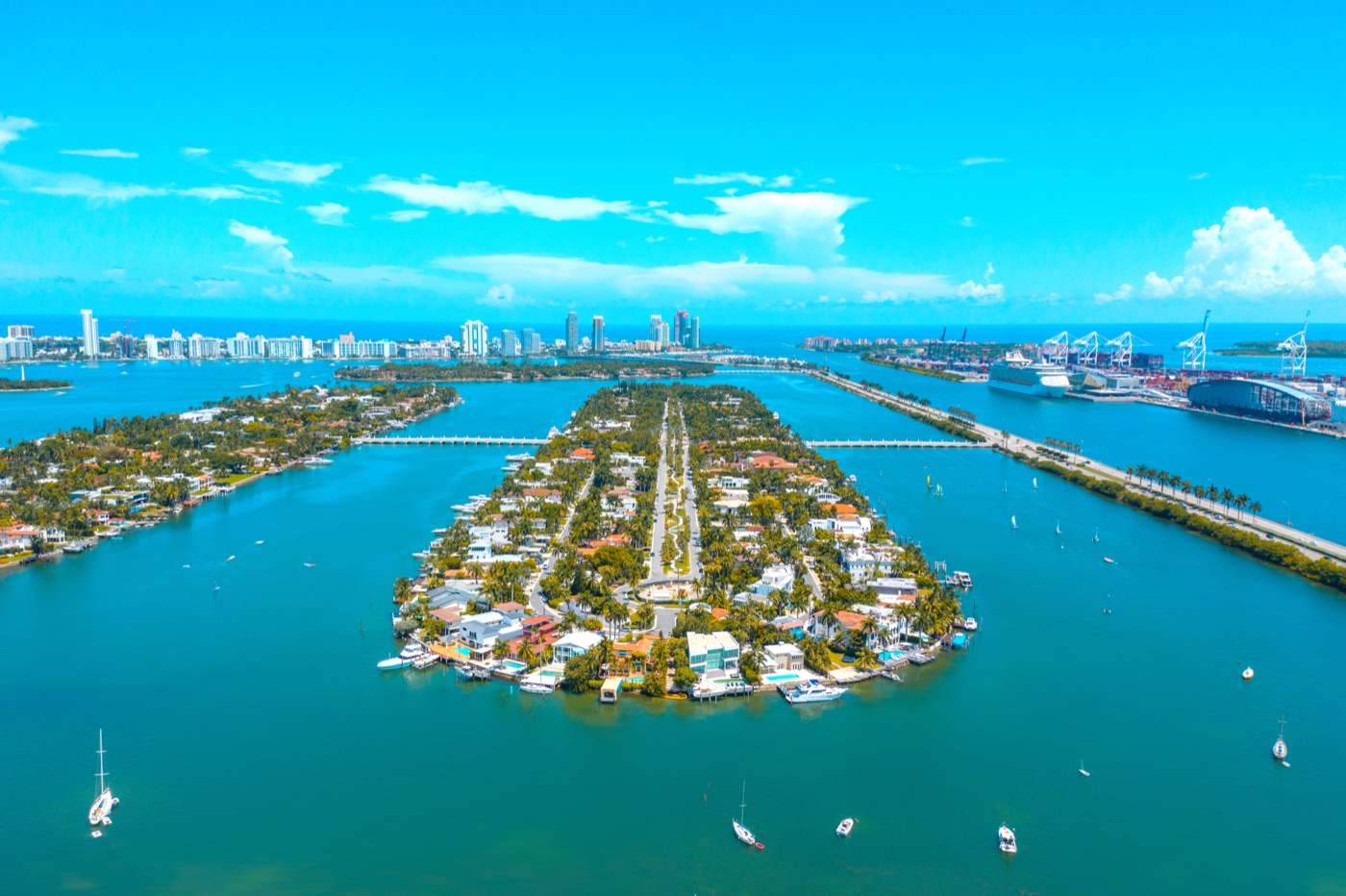
One of the first questions I get from buyers, whether they are relocating from New York, moving capital from Latin America, or simply upgrading within Miami, is whether they should buy a resale condo or go into a pre-construction project. Both paths have real merit and real risk. The honest answer depends on your timeline, your financial situation, and what you actually want to do with the property once you own it.
I have guided clients through closings at resale buildings in Brickell, Edgewater, and Bal Harbour, and I have also walked buyers through the deposit structures and developer contracts at pre-construction towers in Sunny Isles Beach, downtown Miami, and Coconut Grove. Each experience has sharpened my perspective on where each strategy works and where it falls apart.
In this post I am going to walk you through the real differences between resale and pre-construction condos in Miami, using actual price ranges, timelines, and neighborhood data so you can make a decision with your eyes open. If you want to talk through your specific situation, call me directly at (954) 833-0020. Hablamos Espanol.
Not Sure Which Path Is Right for You?
I can walk you through a side-by-side comparison of resale and pre-construction options in any Miami neighborhood. Hablamos Espanol. Call (954) 833-0020 today.
Call (954) 833-0020Sunland Real Estate LLCWhat the Miami Condo Market Looks Like Right Now
Miami is not a single market. It is a collection of micro-markets that each behave differently depending on inventory, buyer demand, and what is being built nearby. As of 2026, median condo prices in Brickell hover between $700 and $1,100 per square foot for resale units, while newer or waterfront buildings push well past $1,500 per square foot. In Sunny Isles Beach, oceanfront resale units in buildings like Porsche Design Tower and Regalia trade between $1,800 and $3,500 per square foot. On the more accessible end, Edgewater and Midtown still offer resale units in the $550 to $850 per square foot range, which makes them popular with buyers who want proximity to Brickell without Brickell prices.
Pre-construction is a different animal. Developers in Miami are currently pricing new inventory at a significant premium over comparable resale units, often 20 to 40 percent higher on a per-square-foot basis, and they are justifying that premium with finishes, amenities, and delivery timelines that range from 2027 to 2030. Some projects in the Brickell and downtown corridors are pricing studios and one-bedrooms starting at $700,000, which would have been considered luxury pricing for a two-bedroom just five years ago.
Understanding this gap between resale and pre-construction pricing is the first step in deciding which direction makes sense for you.
Explore on rangelyadames.com
The Case for Buying a Resale Condo in Miami
Resale condos offer something pre-construction simply cannot: certainty. You can walk through the unit, stand on the balcony, look at the actual view, and see exactly what you are getting. You know the building's history. You can review the HOA financials, check the reserve fund balance, and find out whether there are any pending special assessments before you make an offer. That transparency has enormous value.
In my experience, buyers who need to be in their unit within six months, whether for work, lifestyle, or a tax-driven deadline, almost always go resale. Financing is also more straightforward. Most established Miami condo buildings have conventional financing approval through Fannie Mae or Freddie Mac, which means buyers can put down as little as 10 to 20 percent and secure a conventional mortgage at current rates. Pre-construction, by contrast, almost always requires cash or portfolio financing because traditional lenders will not commit to a property that does not yet exist.
Resale is also where you find established buildings with proven management. A building like the Icon Brickell, Marquis in downtown, or the Oceana in Key Biscayne has years of financials you can scrutinize. You can see how the board has handled maintenance, what the monthly HOA covers, and whether the building has been proactive or reactive about repairs. In the post-Champlain Towers environment, this transparency is not just nice to have. It is essential.
One more advantage of resale: negotiating room. Motivated sellers in the current market will negotiate on price, closing cost contributions, and sometimes furniture packages. I have negotiated meaningful concessions for buyers in buildings across Coconut Grove, Aventura, and Miami Beach, particularly when a seller has been listed for more than 60 days.
The Case for Buying Pre-Construction in Miami
Pre-construction has made a lot of Miami investors wealthy over the past two decades. The strategy is simple in theory: buy at today's price, pay in staged deposits over two to four years, and take possession of a unit that is worth more than you paid by the time it is delivered. When the market cooperates, and it has cooperated more often than not in South Florida, the returns can be substantial.
The deposit structure is a meaningful part of the appeal. Most Miami developers require 10 to 20 percent at contract signing, with additional 10 percent installments at various construction milestones. This means a buyer can control a $1.5 million unit with an initial outlay of $150,000 to $300,000 while the rest of the purchase price is spread over the construction period. During that time, your capital is not fully committed, and any appreciation in the building's value accrues to you.
The finishes in newly delivered Miami luxury buildings have also set a new standard. Projects like Aston Martin Residences on the Miami River, Baccarat Residences in Brickell, and the upcoming Shore Club Private Collection in Miami Beach are delivering unit specifications that genuinely cannot be replicated in older stock without a gut renovation. If your goal is to own the newest and most technologically advanced product in a trophy location, pre-construction is often the only path.
Assignment sales are another pre-construction advantage that sophisticated investors use. Some developers allow buyers to assign their contract to a new buyer before the building closes, which means you can potentially realize your gain without ever taking title or paying transfer taxes. Not every developer permits this, and the rules vary widely, but it is a strategy worth exploring with a knowledgeable agent before you sign.
Key Risks You Need to Understand in Each Path
Neither resale nor pre-construction is without risk, and I think buyers who minimize those risks end up making costly mistakes.
With resale, the biggest risks are building-specific. An aging building with an underfunded reserve account is a liability. Under Florida's SB 4D legislation, which took effect in 2023 and 2024, condo associations in buildings over three stories are now required to complete structural integrity reserve studies and fully fund reserves on a specific timeline. Some older buildings in Miami Beach, Surfside, and Bal Harbour are facing mandatory special assessments in the range of $20,000 to $150,000 per unit as a result. Always, and I mean always, have me pull the HOA's most recent reserve study, budget, and meeting minutes before you make an offer on a resale condo.
With pre-construction, the risks shift toward the developer and the timeline. Projects get delayed. Some get cancelled. If a developer cannot secure construction financing or if the market softens between your signing date and delivery, you may find yourself holding a contract on a unit that appraises below your purchase price. Your deposits are generally held in escrow in Florida, which offers some protection, but getting those funds back if a project fails is not always fast or simple. Developer reputation matters enormously here. A project backed by a well-capitalized group with a strong Miami delivery history is a very different risk profile than a first-time developer with one project under their belt.
Rising HOA fees are a risk in both categories. Newly delivered buildings often have introductory HOA fees that increase significantly in year two or three once the developer hands over control to the condo association and the real costs of operating the building become clear. I have seen buyers surprised by HOA fee increases of 25 to 40 percent in the first two years after a building's opening. Budget conservatively.
How to Compare the True Cost of Each Option
When I help clients compare a resale unit to a pre-construction unit, I build a side-by-side cost model that goes beyond the purchase price. Here are the line items I include in every comparison:
This full-picture analysis often reveals that a resale unit at a nominally lower price is actually more expensive on a monthly basis because of higher HOA fees and insurance costs, while a pre-construction unit at a higher price delivers a lower monthly carrying cost because the building is newer, more efficient, and carries lower insurance premiums. Or it can go the other way. Every comparison is different, which is why building the model matters.
When comparing resale vs. pre-construction, I account for all of the following costs:
- Purchase price and expected price per square foot at delivery
- Monthly HOA fees and what they cover (water, cable, valet, amenities)
- Property tax estimate based on assessed value and millage rate (Miami-Dade currently sits around 2.0 to 2.2 percent all-in for non-homesteaded properties)
- Homeowners insurance and flood insurance, which can run $8,000 to $25,000 per year depending on building age, construction type, and flood zone
- Closing costs (typically 2 to 5 percent for buyers, including title insurance, doc stamps, and lender fees)
- Any pending or anticipated special assessments
- Opportunity cost of the deposit money sitting in escrow during construction
- Expected rental income if you plan to lease the unit, compared against actual rental comps in the building or immediate area
Neighborhood Breakdown: Where Each Strategy Makes More Sense
Brickell is a market where both strategies are active and competitive. Resale inventory in Brickell is plentiful, with established buildings like SLS Lux, 1010 Brickell, and Reach at Brickell City Centre offering units in the $700,000 to $2.5 million range. Pre-construction in Brickell is pricing at a premium, but the neighborhood's continued corporate migration from New York, Chicago, and Latin America supports the case for long-term demand.
Sunny Isles Beach is primarily a pre-construction and luxury resale market. If you want a newly delivered oceanfront unit in Sunny Isles, your realistic starting price in 2026 is $2 million and climbs sharply from there. Resale in buildings like Trump International Beach Resort or Jade Signature can offer comparable finishes at a 15 to 25 percent discount to new construction, and those units are available for immediate occupancy.
Edgewater and Midtown are where I often steer first-time investors who want Miami exposure without overextending. Resale units in buildings like Paramount Miami Worldcenter's sister properties and Aria on the Bay can still be found in the $550,000 to $900,000 range, and rental demand from young professionals relocating to Miami is strong and consistent.
Coconut Grove has become one of the most compelling neighborhoods for buyers who want a single-family alternative in condo form. The new Four Seasons Private Residences in the Grove, along with resale inventory at Grove at Grand Bay, represents a quieter, more residential luxury experience compared to Brickell or Miami Beach. If lifestyle and long-term value retention matter to you as much as pure investment return, the Grove deserves a serious look.
Key Biscayne is almost entirely a resale market. There is very little available land for new development, which is exactly why values there have held so well. A two-bedroom unit at the Oceana Key Biscayne currently lists in the $1.8 to $3.5 million range. The scarcity factor alone makes resale on the Key a strong long-term hold.
What Latin American and International Buyers Should Know
A large portion of my clients are buyers from Venezuela, Colombia, Brazil, Argentina, Mexico, and other parts of Latin America. Miami has long been the preferred destination for Latin American capital, and I understand the specific concerns this group brings to a transaction: currency conversion timing, FIRPTA withholding obligations when selling, the mechanics of opening a U.S. bank account, and the question of whether to purchase in a personal name or an LLC structure.
For international buyers, pre-construction has historically been attractive because the extended deposit timeline allows capital to move in stages rather than all at once. That flexibility can be valuable when you are managing currency exchange strategy. However, international buyers also need to be aware that they will almost certainly be paying cash or using foreign portfolio financing for pre-construction, since U.S. conventional lenders will not lend on units that have not yet been built and appraised.
For resale purchases, international buyers can access foreign national loan programs through several South Florida lenders, typically requiring 30 to 40 percent down at interest rates that run 1 to 2 percent above conventional rates. I work with lenders who specialize in exactly this type of transaction, and I am happy to make introductions. Hablamos Espanol, and I can walk through all of this with you in whatever language is most comfortable. Call me at (954) 833-0020 and we can talk through your situation in detail.
Estate planning considerations are also different depending on whether you are purchasing pre-construction or resale, and whether you are a U.S. person or a non-resident alien. Non-resident buyers are subject to federal estate tax on U.S. real property, and the exemption for non-residents is only $60,000 versus the multi-million dollar exemption for U.S. citizens. Purchasing through an offshore LLC or trust structure can address this, but it requires coordination with a qualified attorney. I always recommend my international clients consult with a cross-border estate planning attorney before closing.
My Honest Recommendation Based on Where the Market Sits in 2026
If I had to give one clear recommendation for most buyers in Miami right now, I would say this: resale offers better near-term value and lower risk in most scenarios, while pre-construction offers the highest upside for buyers with patient capital and a strong risk tolerance.
The premium being charged for pre-construction in 2026 is real and significant. Developers are pricing in optimism about where Miami will be in 2028 and 2029 when many of these projects deliver. That optimism may prove correct. Miami has surprised skeptics before. But buyers going into pre-construction need to be comfortable holding through a delivery cycle that could include delays, carrying cost increases, and a market that may look different at closing than it did at contract.
Resale buyers, by contrast, can negotiate today, close in 30 to 60 days, and start either living in or leasing their unit immediately. In a market where rental rates for luxury units in Brickell and Miami Beach still range from $5,000 to $20,000 per month depending on the unit, that immediate income potential has real financial weight.
Whatever path you are considering, I strongly encourage you not to navigate it alone. The contracts are complex, the due diligence requirements are specific, and the stakes are high. I work with buyers, sellers, and investors across all of Miami-Dade and Broward, and I bring both the market knowledge and the language fluency to make sure nothing gets lost in translation. Call me at (954) 833-0020 and let us figure out which path makes the most sense for your goals.
Ready to Buy a Miami Condo in 2026?
Whether you are leaning toward a resale unit in Brickell or a pre-construction tower in Sunny Isles, I am here to help you make a confident, informed decision. Call Rangely Adames at (954) 833-0020 and let us get started.
Related Articles
September 28, 2026 · 10 min read
Argentine Buyers Guide to Miami Real Estate: Process, Financing Themes, and Neighborhood Fit (2026)
Buying Miami real estate from Argentina is workable when you separate what your agent coordinates from what your attorney, CPA, and lender decide. This support guide walks through the process, financing themes, remote closing, and neighborhood fit, then points you to the Argentina foreign-buyer hub for next steps.
Read article →February 2026 · 9 min read
Aventura Real Estate Guide: Condos, Schools & Lifestyle (2026)
Luxury high-rises, top-rated schools, and the Aventura Mall — why families and investors love this North Miami suburb.
Read article →February 2026 · 9 min read
Airbnb Investment Properties in Miami: Rules, ROI & Best Areas
Short-term rental regulations, income projections, and the best Miami neighborhoods for Airbnb investing.
Read article →