Miami Luxury Condo Spring Buying Guide (2026)
By Rangely Adames • July 2026 • 11 min read
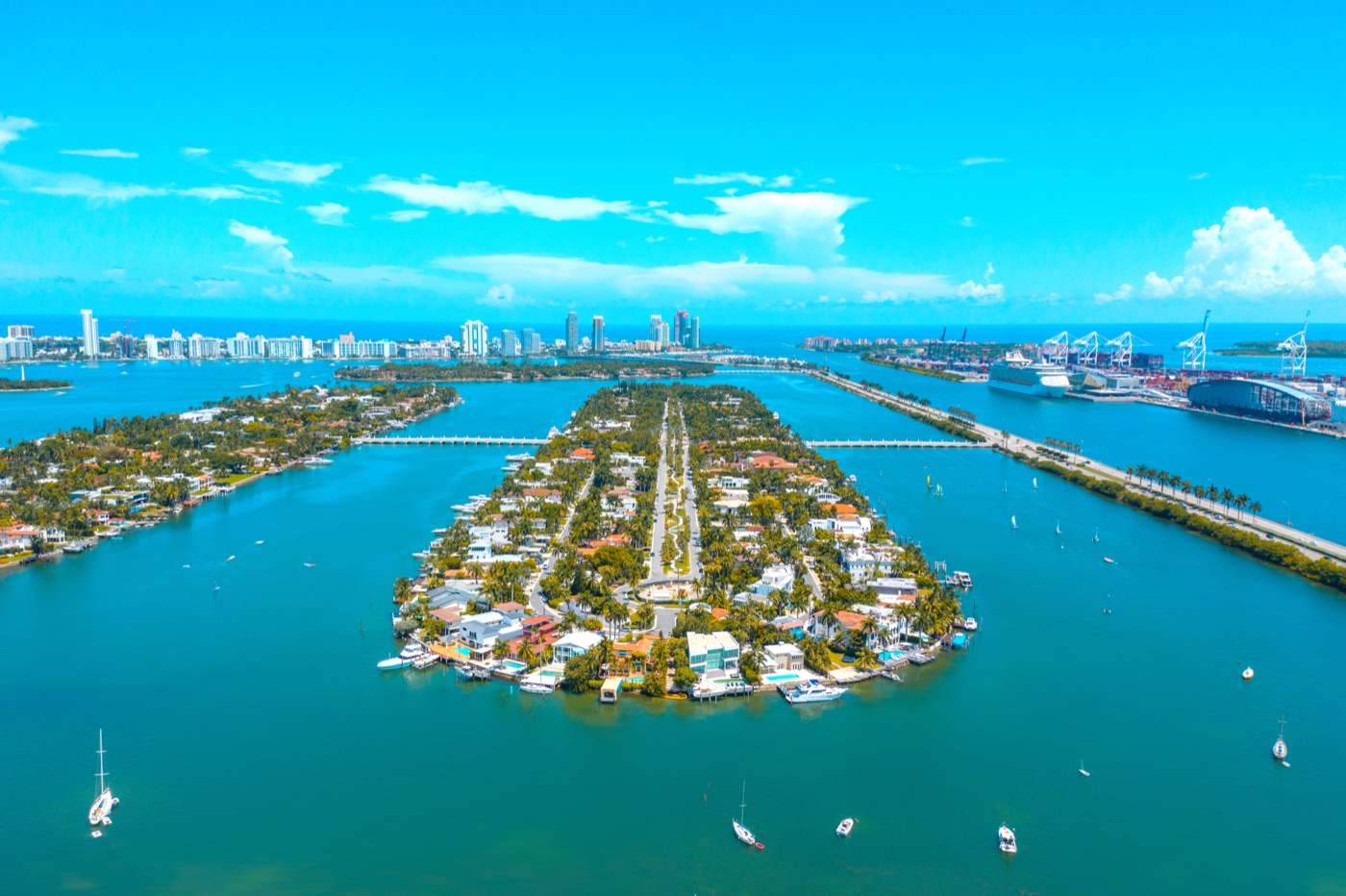
Spring in Miami is not like spring anywhere else. The weather is perfect, the snowbirds are still here, and the real estate market hits one of its highest activity points of the year. I have been working with luxury condo buyers and sellers in Miami for years, and every spring I see the same pattern: more listings come online, more buyers show up, and competition for the best units gets real. If you are planning to buy a luxury condo in Miami this year, understanding the spring market cycle can give you a meaningful edge.
The 2026 Miami condo market has its own set of conditions that buyers need to understand before they start touring properties. Interest rates, new inventory from pre-construction deliveries, and continued demand from domestic and international buyers are all shaping how deals get done right now. Prices in neighborhoods like Brickell, Edgewater, and Sunny Isles Beach have held firm, while some segments of Miami Beach are showing more negotiation room than they did in 2023 and 2024.
This guide is meant to give you a practical, honest picture of what to expect when buying a luxury condo in Miami this spring. I will walk you through the neighborhoods, the pricing realities, the due diligence steps that matter most, and the negotiation tactics that actually work in this market. Whether you are relocating from New York, investing from Latin America, or upgrading within Miami, this guide is for you. Hablamos Espanol, and I am happy to walk through any of this in detail. Call me at (954) 833-0020.
Ready to Start Your Miami Condo Search?
I work with buyers across Brickell, Edgewater, Miami Beach, Sunny Isles, and Aventura every week. Hablamos Espanol. Call (954) 833-0020 for a no-pressure consultation.
Call (954) 833-0020Why Spring 2026 Is a Pivotal Moment for Miami Condo Buyers
Miami's luxury condo market has been through a remarkable run since 2021. Prices in Brickell climbed from an average of around $700 per square foot in early 2021 to well over $1,100 per square foot for newer buildings by 2024. Sunny Isles Beach saw similar appreciation, with oceanfront units at buildings like Porsche Design Tower and Regalia trading at $2,000 to $3,500 per square foot. That kind of run creates a market where buyers need to be careful, strategic, and well-informed.
In spring 2026, the market is more balanced than it was two years ago. Sellers in certain price ranges, particularly in older buildings along Collins Avenue in Miami Beach, are willing to negotiate. Pre-construction deliveries in Edgewater and Brickell have added new inventory that gives buyers more choices. At the same time, truly exceptional units in well-managed buildings in the best locations are still generating multiple offers and selling close to or at asking price.
One thing I tell every buyer right now: the opportunity is real, but so is the risk if you skip due diligence. Miami has unique condo laws, reserve fund requirements, and building recertification rules that can expose a buyer to significant unexpected costs. The spring market moves fast, and the buyers who are prepared are the ones who get the best deals without regrets.
Explore on rangelyadames.com
The Neighborhoods That Matter Most for Luxury Condo Buyers in 2026
Miami is not one market. It is a collection of distinct neighborhoods, each with its own pricing, lifestyle, and investment profile. When a client calls me and says they want a luxury condo in Miami, the first conversation we have is always about lifestyle and priorities, because the right neighborhood depends entirely on how they plan to use the property.
Brickell is the choice for buyers who want a walkable urban lifestyle with access to world-class restaurants, the Brickell City Centre mall, and easy access to the financial district. One-bedroom luxury condos in buildings like Brickell Heights, SLS Lux, and Echo Brickell typically start around $700,000 to $900,000. Two-bedrooms run $1.1 million to $2 million depending on the floor, view, and finishes. Brickell also has strong rental demand, which matters for buyers who plan to use the unit part-time.
Edgewater has become one of my favorite recommendations for buyers who want newer construction, waterfront proximity, and slightly more space for the price. Buildings like Elysee, Missoni Baia, and Aria on the Bay sit along Biscayne Bay and offer stunning views without the premium that comes with a Brickell address. Two-bedroom units at Elysee or Missoni Baia typically range from $1.5 million to $3.5 million depending on the floor and exposure.
Miami Beach is a broad category. South Beach, Mid-Beach, and North Beach each have a different personality. The Continuum on South Beach remains one of the most desirable addresses, with two-bedrooms starting around $2.5 million and larger units reaching $10 million or more. Mid-Beach buildings like Faena House and Arte attract a quieter, more privacy-focused buyer. Sunny Isles Beach, which sits just north of Bal Harbour, is heavily favored by Latin American and Russian buyers. It offers some of the most dramatic oceanfront towers in South Florida. Aventura offers more value for buyers who want size and luxury without the South Beach premium, with units at Turnberry Ocean Colony or Porto Vita running $800,000 to $2.5 million for most configurations.
What Luxury Condo Prices Actually Look Like Right Now
I want to give you real numbers because I think vague price ranges do buyers a disservice. Here is where the market actually sits as of spring 2026 across the key luxury neighborhoods.
In Brickell, you are looking at roughly $900 to $1,400 per square foot for newer buildings in good condition with strong HOA financials. Older buildings, meaning those built before 2010 with less amenity space, trade at $600 to $850 per square foot. HOA fees in Brickell luxury buildings typically run $1.00 to $1.80 per square foot per month, so a 1,500-square-foot unit could carry HOA fees of $1,500 to $2,700 per month.
In Edgewater, brand new or nearly new buildings with full amenity packages are trading at $900 to $1,300 per square foot. This segment has appreciated consistently because the product quality is high and supply is somewhat limited by the narrowness of the corridor.
On Miami Beach, the range is enormous. You can find older, smaller units in less prominent buildings for $600 to $800 per square foot. You can also pay $3,000 to $5,000 per square foot for an exceptional penthouse in a trophy building. The middle of the market, well-located two and three bedroom units in solid buildings with good reserves, tends to sit at $1,200 to $2,000 per square foot.
Buyers sometimes ask me whether prices will drop significantly. My honest answer is that prices in the best buildings in the best locations have shown remarkable resistance. What I do see is more room to negotiate on price adjustments, closing cost credits, and included furnishings, particularly in buildings where inventory has been sitting for more than 90 days.
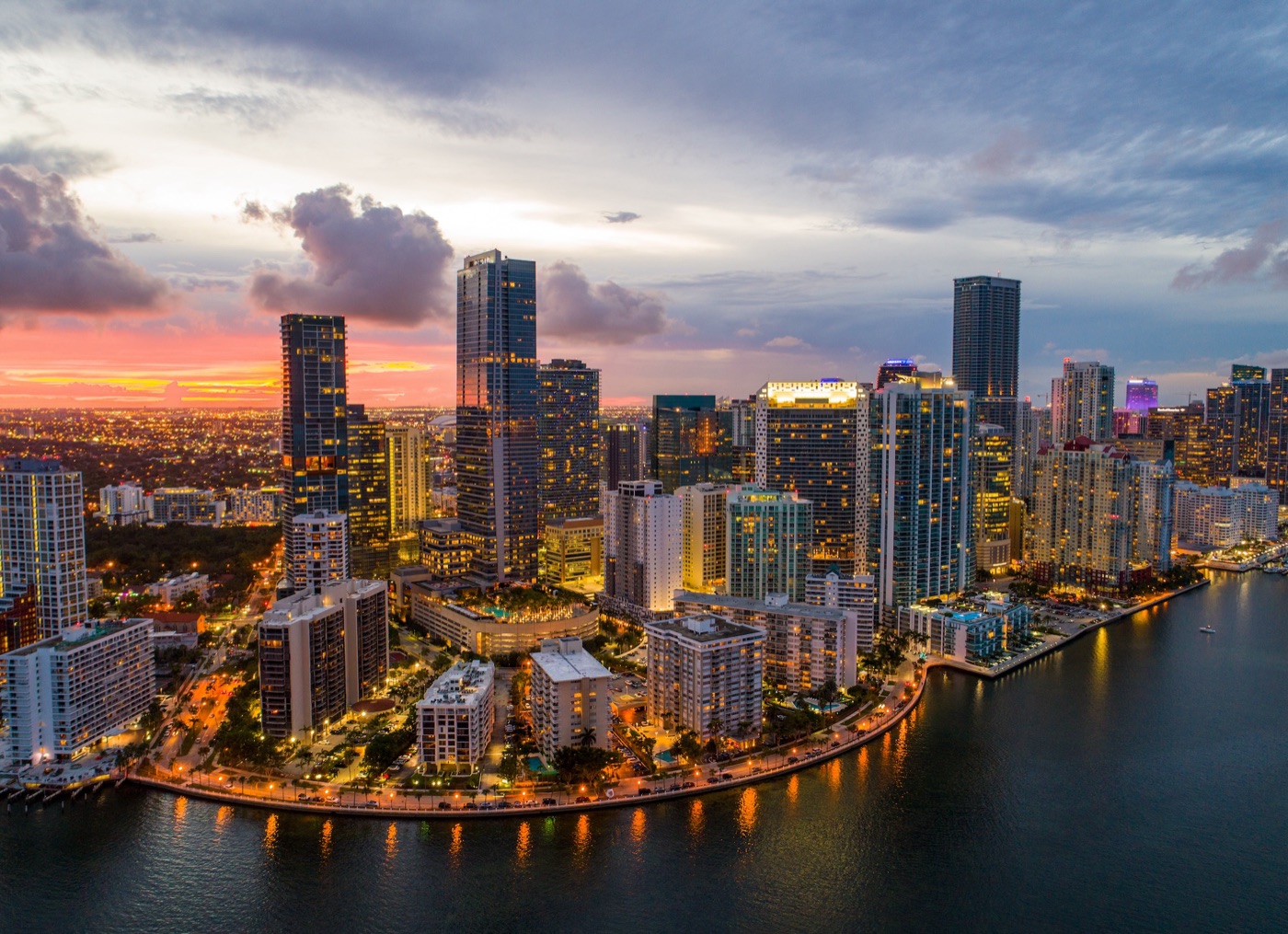
Due Diligence: The Steps That Can Save You From a Costly Mistake
Buying a luxury condo in Miami requires a level of due diligence that goes well beyond a standard home inspection. I walk every buyer I work with through a comprehensive checklist before they go under contract, and I want to share the most important steps here.
The building's reserve fund status is one of the first things I look at. Florida law now requires condo associations to maintain fully funded reserve accounts following the Surfside collapse and the legislative changes that followed. If a building has underfunded reserves, special assessments can hit owners for tens or even hundreds of thousands of dollars. I have seen buyers walk into units with special assessments of $80,000 or more that were not clearly disclosed upfront.
Building recertification is another area to check carefully. Miami-Dade County requires buildings over 40 years old to complete a structural and electrical recertification. Buildings that have not passed recertification or are in the middle of the process can face restrictions, and the costs of required repairs are often passed to unit owners.
Here is a quick list of the due diligence items I cover with every luxury condo buyer in Miami:
The HOA financials and reserve fund study deserve a thorough review by your attorney or a qualified advisor. The board meeting minutes from the past 24 months can reveal pending litigation, infrastructure concerns, or internal disputes. The rental restrictions in the bylaws matter enormously if you plan to rent the unit short-term or even long-term. The special assessment history tells you whether the building has a pattern of unexpected charges. The current insurance coverage, particularly the master flood and wind policy, affects what you pay for your own unit coverage. The actual management company and their track record in managing similar luxury properties affects the day-to-day quality of life in the building. And the milestone inspection reports required under the new Florida law must be reviewed if the building is approaching or past 25 or 30 years of age.
Here is a quick list of the due diligence items I cover with every luxury condo buyer in Miami:
- Request and review the HOA financial statements and reserve fund study
- Read board meeting minutes from the past 24 months for pending issues
- Review rental restriction policies in the condo bylaws and declarations
- Check for any pending or recent special assessments
- Confirm the building's 40-year and milestone recertification status
- Review the master insurance policy for wind, flood, and liability coverage
- Research the property management company and their reputation
- Verify the building's litigation history with your real estate attorney
Negotiation Strategies That Actually Work in the 2026 Miami Market
Negotiation in the Miami luxury condo market is different from what buyers experience in other cities. Sellers here, particularly international sellers or developers, often have different motivations than a typical homeowner who needs to sell by a certain date. Understanding those motivations is where effective negotiation begins.
In my experience, the most effective negotiating tool right now is market data presented clearly and unemotionally. If I can show a seller that three comparable units in their building sold at 5 percent below asking price in the past six months, that is a much more persuasive argument than simply making a low offer without context. Luxury sellers respond to logic and data, especially when they are working with advisors who will present the comps honestly.
Another leverage point in the current market is the closing timeline. Many sellers of luxury condos in Miami are not in financial distress, which means a fast close is not always what they want. I have had situations where offering a flexible closing date, or even a leaseback option where the seller stays in the unit for 30 to 60 days after closing, was worth more to the seller than an extra $50,000 in price.
When it comes to concessions, I typically try to negotiate closing cost credits, inclusion of furniture packages, or parking space assignments before I push too hard on price reduction. In buildings where the asking price is firm, these concessions can represent $30,000 to $80,000 in real value to a buyer. A furnished luxury unit where the seller leaves a high-end furniture package can save a buyer $100,000 or more in setup costs.
One thing I caution buyers against is making lowball offers without a real justification. In the Miami luxury market, where sellers often have significant equity and no urgent need to sell, an insulting offer can close a negotiation before it starts. My approach is always to come in with a respectful offer supported by data, and then let the negotiation unfold from there.
Financing a Luxury Condo in Miami: What Buyers Need to Know
Financing a luxury condo in Miami has its own set of rules that differ from financing a single-family home or even a standard condo. Lenders look closely at the building's financial health, the percentage of units that are owner-occupied versus rented, and whether the building is on any approved lending lists.
For buildings that are classified as non-warrantable condos, which covers many of Miami's luxury high-rises that allow short-term rentals or have high investor concentration, conventional Fannie Mae and Freddie Mac financing is not available. Buyers in this situation need portfolio lenders or jumbo loan products, which typically require a minimum of 20 to 30 percent down and carry slightly higher rates than conforming loans.
Foreign buyers face additional hurdles. Most U.S. lenders require foreign nationals to put down 30 to 40 percent, provide two years of bank statements, and document income in a way that American underwriters can verify. I work with several lenders who specialize in foreign national loans in South Florida, and I am happy to make introductions. Hablamos Espanol, and I work with clients from Colombia, Venezuela, Argentina, Brazil, Mexico, and across Latin America every week. Call (954) 833-0020 and I can walk you through the financing process in whichever language is most comfortable.
Cash purchases are common in the Miami luxury condo market. According to data from Miami-Dade County, more than 40 percent of luxury condo transactions above $1 million close without a mortgage. Cash buyers have a meaningful advantage in competitive situations, but a well-prepared financed buyer with a strong pre-approval letter and a reputable lender can be just as competitive in most negotiations.
HOA Fees, Property Taxes, and the True Cost of Ownership
One of the biggest surprises for buyers coming from other markets is the total monthly cost of owning a luxury condo in Miami. The purchase price is just the starting point. HOA fees, property taxes, insurance, and parking costs can add up to a carrying cost that is significantly higher than the mortgage payment alone.
Property taxes in Miami-Dade County are assessed at roughly 1.8 to 2.2 percent of assessed value for non-homestead properties, which covers investment units and second homes. On a $2 million condo, that is $36,000 to $44,000 per year in property taxes. If you qualify for the Florida homestead exemption by making the unit your primary residence, you benefit from the Save Our Homes cap, which limits annual assessment increases to 3 percent or the rate of inflation, whichever is lower. For buyers planning to live in Miami full-time, establishing homestead status is an important financial decision.
HOA fees in luxury buildings range widely based on amenities, building age, and reserve contributions. A building like Marquis in Brickell or Jade Signature in Sunny Isles might carry fees of $2,500 to $5,000 per month for a mid-floor two-bedroom unit. These fees typically cover water, trash, building insurance on the structure, amenity maintenance, security, and concierge services. They do not cover your unit's interior contents insurance, which is a separate HO-6 policy you purchase independently.
Homeowners insurance for a luxury condo unit in Miami, meaning the HO-6 policy covering your interior, personal property, and liability, typically runs $3,000 to $8,000 per year depending on the unit value and coverage levels. Flood insurance, if your unit requires it, adds additional cost. I always recommend that buyers get insurance quotes before going under contract so there are no surprises at the closing table.
Working With the Right Agent Makes the Difference
The luxury condo market in Miami is specialized, and working with an agent who knows the buildings, the associations, the developers, and the neighborhood dynamics matters more than many buyers realize. I have worked with clients who came to me after bad experiences with agents who showed them beautiful units but missed critical issues in the HOA documents or failed to flag building recertification concerns.
What I bring to every transaction is a combination of deep local knowledge, a network of trusted attorneys, inspectors, and lenders who specialize in Miami luxury real estate, and a genuine commitment to making sure my clients understand what they are buying. I do not rush closings. I do not minimize concerns. And I do not move on until my clients feel confident.
For my Latin American clients, the ability to communicate in Spanish throughout the entire process, from the first property tour through the closing table, is not just a convenience. It is a fundamental part of feeling confident and protected in a complex transaction in a foreign country. Hablamos Espanol, and I serve clients from every part of Latin America and beyond.
If you are serious about buying a luxury condo in Miami this spring, I would love to set up a consultation to understand your goals and walk you through the current market. Call me directly at (954) 833-0020, and we can start building your search strategy today.
Let's Find Your Perfect Miami Luxury Condo
Whether you are buying your first Miami property or adding to an existing portfolio, I am here to guide you through every step. Call Rangely Adames at (954) 833-0020 today.
Related Articles
September 28, 2026 · 10 min read
Argentine Buyers Guide to Miami Real Estate: Process, Financing Themes, and Neighborhood Fit (2026)
Buying Miami real estate from Argentina is workable when you separate what your agent coordinates from what your attorney, CPA, and lender decide. This support guide walks through the process, financing themes, remote closing, and neighborhood fit, then points you to the Argentina foreign-buyer hub for next steps.
Read article →February 2026 · 9 min read
Aventura Real Estate Guide: Condos, Schools & Lifestyle (2026)
Luxury high-rises, top-rated schools, and the Aventura Mall — why families and investors love this North Miami suburb.
Read article →February 2026 · 9 min read
Airbnb Investment Properties in Miami: Rules, ROI & Best Areas
Short-term rental regulations, income projections, and the best Miami neighborhoods for Airbnb investing.
Read article →