Miami Luxury Condo Submarkets Compared: Where to Buy in 2026
By Rangely Adames • September 2026 • 12 min read
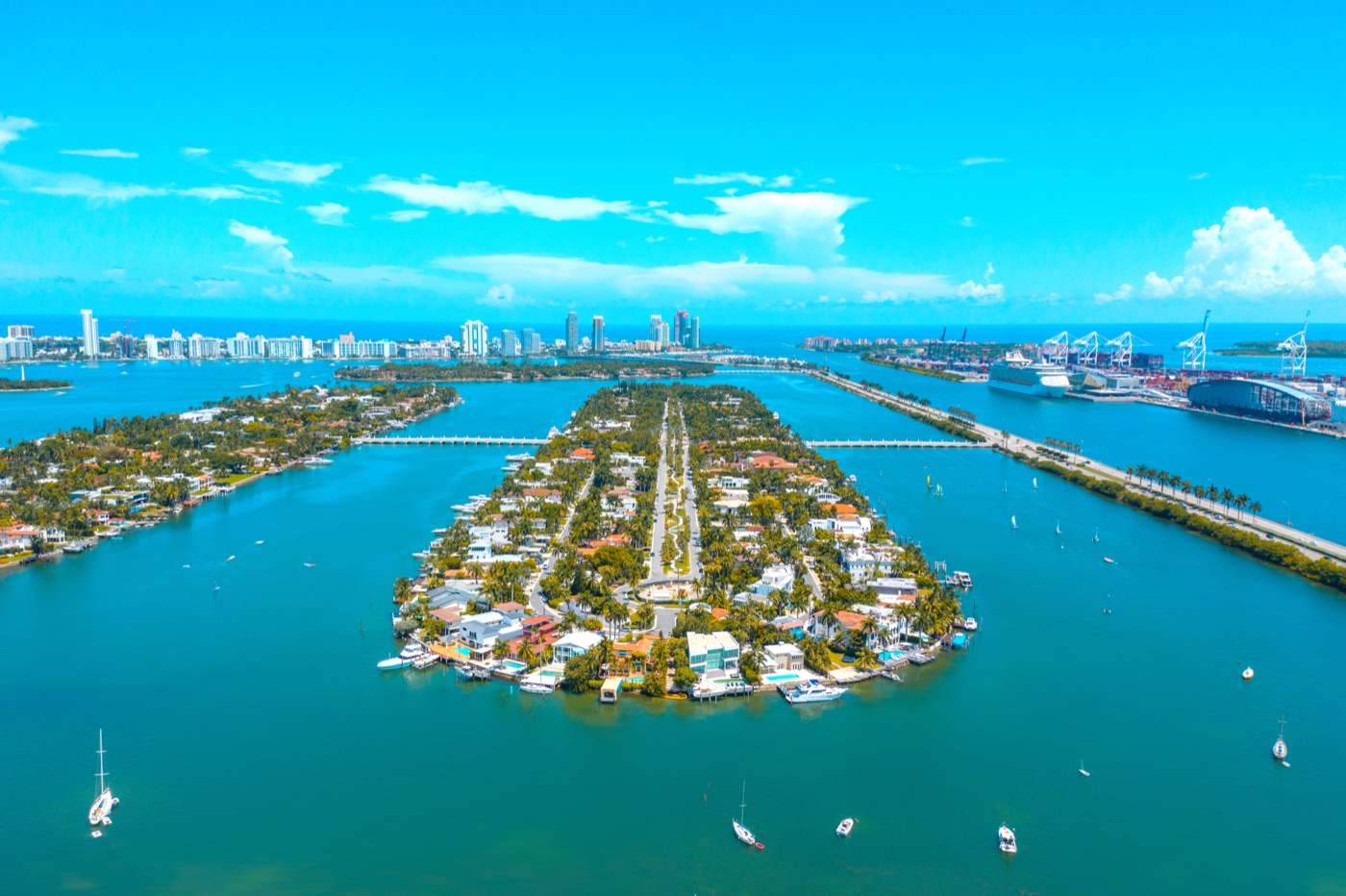
One of the most common questions I hear from buyers, especially those relocating from New York, California, or Latin America, is simple: which Miami neighborhood is actually the best place to buy a luxury condo right now? My answer is always the same. It depends on what you are trying to accomplish, because Miami is not one market. It is a collection of distinct submarkets, each with its own price dynamics, buyer profile, rental demand, and long-term trajectory. Choosing the wrong submarket for your goals can cost you hundreds of thousands of dollars in appreciation you never captured, or saddle you with a unit that sits on the market for six months when you are ready to sell.
I have spent years working with buyers across every major Miami corridor, from the glass towers of Brickell to the quieter bayfront buildings on Key Biscayne. In that time, I have developed a clear sense of what each submarket does well, where it falls short, and who it makes the most sense for. This post is my honest, neighborhood-by-neighborhood breakdown of Miami's top luxury condo submarkets in 2026, with real numbers and no generic advice.
Whether you are buying a primary residence, a second home, or a straight investment unit, understanding these differences before you start touring buildings will save you time and sharpen your negotiation. If you want to talk through your specific situation before reading further, call me directly at (954) 833-0020. Hablamos Espanol.
Ready to Find the Right Miami Submarket for You?
I work with buyers across every Miami luxury corridor and can help you compare buildings, not just neighborhoods. Hablamos Espanol. Call (954) 833-0020 to start the conversation.
Call (954) 833-0020Brickell: The Urban Core With the Broadest Buyer Pool
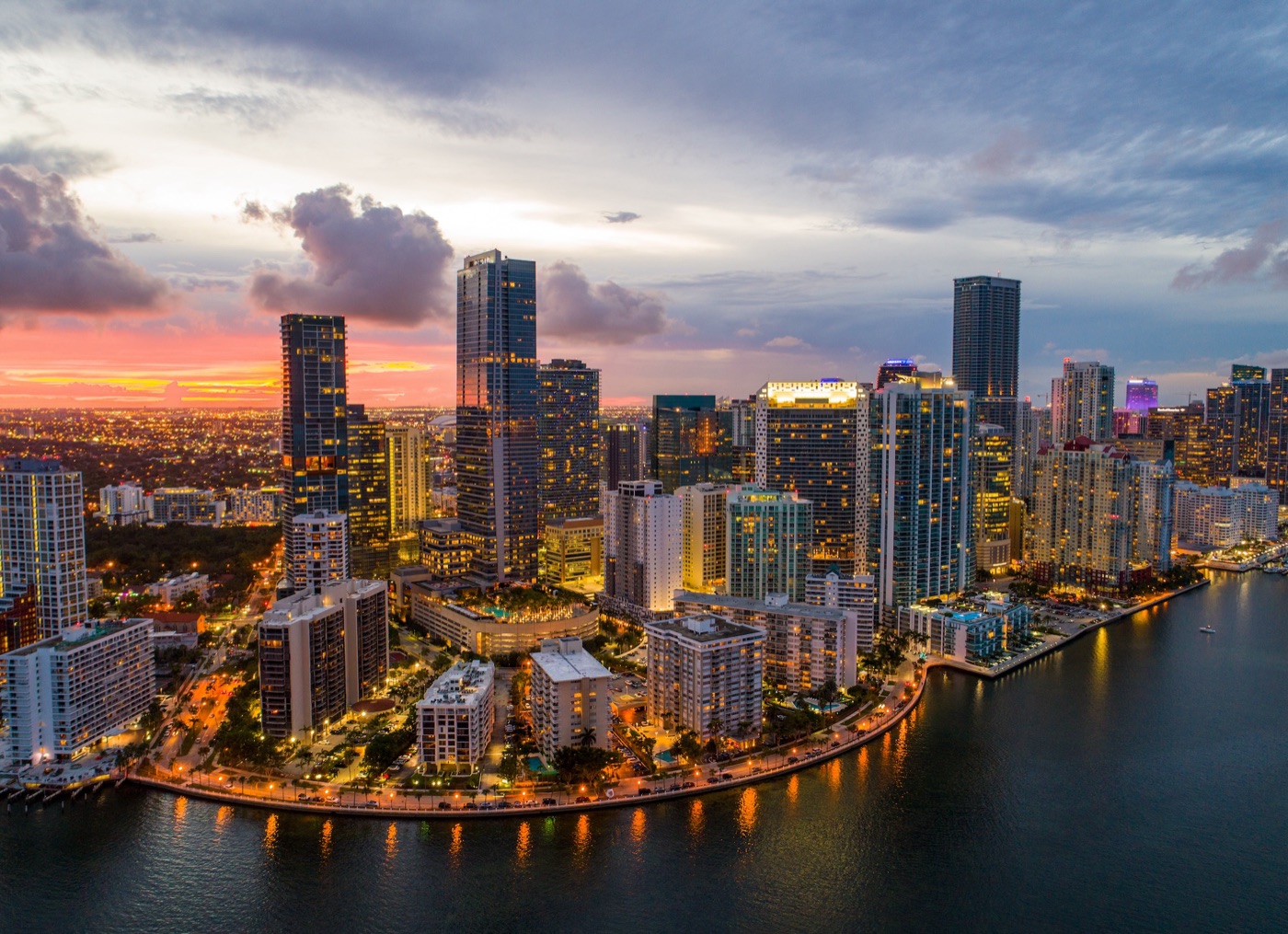
Brickell remains Miami's most liquid luxury condo submarket, and that liquidity matters enormously when it comes time to resell or refinance. Buildings like Brickell Heights, SLS Lux, 1010 Brickell, Reach and Rise at Brickell City Centre, and the newer Cipriani Residences draw a mix of finance professionals, Latin American families, and international investors who want walkable urban living with strong rental demand underneath it.
Price per square foot in Brickell for true luxury units, meaning buildings with full-service amenities, above the 30th floor, currently ranges from about $850 to $1,400 per square foot for resale inventory. New construction and pre-construction in the area, including projects like One Brickell Riverfront, pushes well above $1,500 per square foot. Two-bedroom units in the $900,000 to $1.4 million range move consistently. HOA fees tend to run between $1,200 and $2,800 per month depending on the building and unit size.
The trade-off in Brickell is noise and density. If you want a quiet Saturday morning with no traffic, Brickell is not your neighborhood. But if you want a unit that rents quickly, holds value through market cycles, and attracts a serious buyer pool when you sell, very few submarkets in Miami compete with it. In my experience, Brickell condos in the $1 million to $2 million range have the fastest average days-on-market in the city, often under 45 days when priced correctly.
Explore on rangelyadames.com
Edgewater: The Appreciation Story That Is Still Playing Out
Edgewater is the submarket I point buyers to most often when they ask where the next wave of value is coming from. Situated between Brickell and Miami Beach, directly on Biscayne Bay, Edgewater has transformed from a largely overlooked corridor into one of the most compelling luxury condo markets in South Florida. Buildings like Missoni Baia, Gran Paraiso, Elysee, and Aria on the Bay have brought genuine luxury product to a neighborhood that a decade ago was known mostly for its proximity to Wynwood.
Current resale pricing in Edgewater for luxury two and three-bedroom units runs roughly $700 to $1,100 per square foot, which still represents a meaningful discount to comparable bay-view product in Brickell or Miami Beach. That gap has been closing steadily, and I expect it to continue narrowing as the Edgewater streetscape matures and more retail and dining anchors open along Biscayne Boulevard.
For investors, Edgewater buildings with permissive rental policies have shown strong short-term and annual rental demand, particularly from younger professionals working in Brickell or the Wynwood tech corridor. The typical two-bedroom in a building like Missoni Baia or Gran Paraiso rents for $5,500 to $8,500 per month annually, with short-term furnished rentals in buildings that allow it pushing higher. The risk in Edgewater is that some blocks remain underdeveloped, so location within the neighborhood still matters a great deal. Units with unobstructed bay views are far more defensible in value than city-facing units in the same building.
Miami Beach, Mid-Beach, and Surfside: The Prestige Address With Real Trade-Offs
Miami Beach as a luxury condo submarket is really three distinct conversations. South Beach is largely an older condo stock with a vibrant short-term rental culture and lower price points for the address. Mid-Beach, anchored by buildings like Faena House, Arte Surfside, and the residences at the Fontainebleau, is where the true ultra-luxury product lives. And Surfside, just north of the Bal Harbour Shops, has become one of the most sought-after pockets in South Florida following significant new development.
Prices in Mid-Beach and Surfside for genuinely premium units start around $1,500 per square foot and extend well beyond $3,000 per square foot for Faena House or Arte Surfside residences. These are among the most expensive condos per square foot anywhere in Florida. HOA fees at the top buildings in this corridor can reach $4,000 to $7,000 per month for larger units, which is a real carrying cost buyers need to factor into their return calculations.
The lifestyle here is irreplaceable if beach access and a walkable, curated environment are priorities. The trade-off is that rental demand is strong but rental restrictions in the most prestigious buildings are often tight. Many of the ultra-luxury buildings along this corridor limit rentals to once per year or have minimum 12-month lease terms. For a pure investor, that limits your flexibility. For a buyer who wants a second home that holds value and delivers a world-class lifestyle, this corridor is hard to argue with.
Bal Harbour and Sunny Isles Beach: International Capital and Oceanfront Scale
Bal Harbour and Sunny Isles Beach occupy a unique position in the Miami luxury condo market. They attract the largest concentration of international buyers, particularly from Venezuela, Colombia, Argentina, Brazil, and Russia, of any submarket in South Florida. The combination of direct ocean access, large floor plans, and a quieter residential feel compared to South Beach makes this corridor especially appealing to families and buyers who want space without sacrificing the water.
Sunny Isles buildings like Porsche Design Tower, Regalia, Armani Casa, and Jade Signature offer some of the largest oceanfront floor plans available in the Miami market, with three and four-bedroom units routinely exceeding 3,000 square feet. Pricing ranges from approximately $1,200 to $2,500 per square foot depending on the building, floor, and view. Bal Harbour, with fewer but more exclusive buildings, trades at a premium to Sunny Isles on a per-square-foot basis for equivalent product.
In my experience working with Latin American buyers in particular, Sunny Isles is often the first neighborhood they ask about, and it is easy to understand why. The buildings are exceptional, the beach is quieter than South Beach, and the area has a strong community of Spanish-speaking residents. Rental demand here leans toward longer-term corporate and seasonal tenants rather than short-term vacation renters, which suits investors who prefer stable, lower-turnover income. Call me at (954) 833-0020 and I can walk you through specific building comparisons in this corridor.
Coconut Grove and Coral Gables: The Single-Family Alternative That Includes Luxury Condos
Most people think of Coconut Grove and Coral Gables as single-family home markets, and that is largely accurate. But both neighborhoods have a boutique luxury condo segment that deserves attention from buyers who want a quieter, tree-lined environment without completely giving up the condominium lifestyle.
In Coconut Grove, buildings like Park Grove, designed by Rem Koolhaas, represent some of the most architecturally distinctive luxury condos in Miami. Pricing at Park Grove runs from roughly $1,100 to $1,600 per square foot, and the building appeals to a buyer who values privacy, design, and proximity to the Grove's waterfront parks and dining without the density of Brickell or Miami Beach. HOA fees at Park Grove are substantial, generally $2,500 to $4,000 per month for a full-floor or large three-bedroom unit.
Coral Gables has limited high-rise condo inventory almost by design, given the city's strict zoning controls. What does exist tends to be boutique mid-rise product that trades at a premium to its square footage because of the scarcity of the address. Buyers who want Coral Gables and are open to a condominium should expect to pay for that privilege and to compete for a very small inventory of available units. The upside is that resale values in both neighborhoods have been remarkably stable through Miami's market cycles.
Key Biscayne: The Quietest Luxury Market With the Strongest Barriers to Entry
Key Biscayne is genuinely different from every other submarket I work in. It is an island. There is one road in and one road out. Development is constrained by geography and zoning, which means supply can never increase the way it can in Brickell or Edgewater. That structural scarcity is the single most important thing to understand about Key Biscayne real estate.
The luxury condo buildings on Key Biscayne, including Grand Bay, Oceana Key Biscayne, and the residences along Crandon Boulevard, sell for anywhere from $1,000 to $2,000 per square foot depending on the unit and the view. The buyer profile here skews heavily toward families and established professionals who want a true residential feel with excellent schools, low crime, and easy access to the water and Virginia Key Beach.
What Key Biscayne does not offer is strong short-term rental demand. The island is not a tourist destination in the way South Beach or Brickell is. Rental demand is steady but thin, and it comes primarily from corporate relocation tenants and families on multi-year leases. If your investment thesis depends on high rental yields, Key Biscayne is likely the wrong submarket. If your thesis is long-term capital preservation in a supply-constrained, family-oriented environment, it is one of the most compelling places to own real estate in all of South Florida.
How to Choose the Right Submarket for Your Goals
After working through six distinct submarkets, the pattern should be clear. Miami's luxury condo market rewards buyers who align their neighborhood choice with their actual objectives. Picking a building you love in the wrong submarket for your goals is one of the most common and expensive mistakes I see buyers make.
Here is a quick framework I use with clients to sharpen the decision:
Match your primary goal to the submarket that delivers it best:
- Maximum liquidity and resale speed: Brickell, specifically buildings with broad lending approval and no rental waiting periods.
- Best appreciation upside in the next three to five years: Edgewater, particularly bay-view units in established luxury buildings.
- Prestige address and lifestyle, accepting lower rental yield: Mid-Beach, Surfside, or Bal Harbour.
- Large floor plans with international buyer demand and ocean access: Sunny Isles Beach.
- Boutique, design-forward living in a quieter urban environment: Coconut Grove, specifically Park Grove.
- Long-term capital preservation in a supply-constrained island setting: Key Biscayne.
- Strong schools, family lifestyle, and walkable village feel with occasional condo availability: Coral Gables.
What These Submarkets Have in Common in 2026
Despite their differences, every submarket I have described is operating under the same broad conditions in 2026. Inventory remains below historical norms across the luxury segment. New construction deliveries are bringing product to market but pre-construction absorption has kept most of it spoken for before buildings open. Interest rates, while higher than the pandemic-era lows, have not meaningfully softened demand in the over-$1 million segment, where cash buyers represent a large share of transactions.
Miami's structural story has not changed. Florida's income tax advantage continues to pull high-net-worth residents out of New York, California, and Illinois. Remote work norms have not fully reversed, and Miami remains one of the most attractive cities in the country for professionals who can choose where they live. Latin American capital continues to flow into South Florida real estate as a store of value and a hedge against currency risk in countries like Argentina, Venezuela, and Colombia.
Property taxes in Miami-Dade County run approximately 1.8 to 2.1 percent of assessed value for non-homesteaded properties, which is the category most luxury condo investors fall into. That is a real cost to model, and it varies enough between municipalities, Bal Harbour Village versus the City of Miami, for example, that it is worth reviewing with a local tax advisor before you commit. I always walk my clients through the full carrying cost picture before we make an offer, because a unit that looks attractive on purchase price can look very different when you add HOA fees, property taxes, insurance, and financing costs together.
If you are seriously evaluating a luxury condo purchase in Miami and you want someone who knows these submarkets building by building, not just neighborhood by neighborhood, I would welcome the conversation. Hablamos Espanol. Call me at (954) 833-0020 and we can start with your goals and work backward to the right address.
Let's Find Your Miami Condo in the Right Neighborhood
Every submarket in Miami has a different story, and finding the right fit for your goals makes all the difference. Call Rangely Adames at (954) 833-0020 for a personalized submarket consultation. Hablamos Espanol.
Related Articles
February 2026 · 9 min read
Aventura Real Estate Guide: Condos, Schools & Lifestyle (2026)
Luxury high-rises, top-rated schools, and the Aventura Mall — why families and investors love this North Miami suburb.
Read article →February 2026 · 9 min read
Airbnb Investment Properties in Miami: Rules, ROI & Best Areas
Short-term rental regulations, income projections, and the best Miami neighborhoods for Airbnb investing.
Read article →July 2026 · 10 min read
Bay Harbor Islands Real Estate Guide: Homes, Condos & Market (2026)
Waterfront homes with private docks, boutique condos, and a top-rated K-8 school make Bay Harbor Islands one of Miami's best-kept secrets. A bilingual 2026 buyer guide with prices and consejos para compradores. Hablamos Espanol.
Read article →