Miami Luxury Condo Summer Buying Guide (2026)
By Rangely Adames • July 2026 • 11 min read
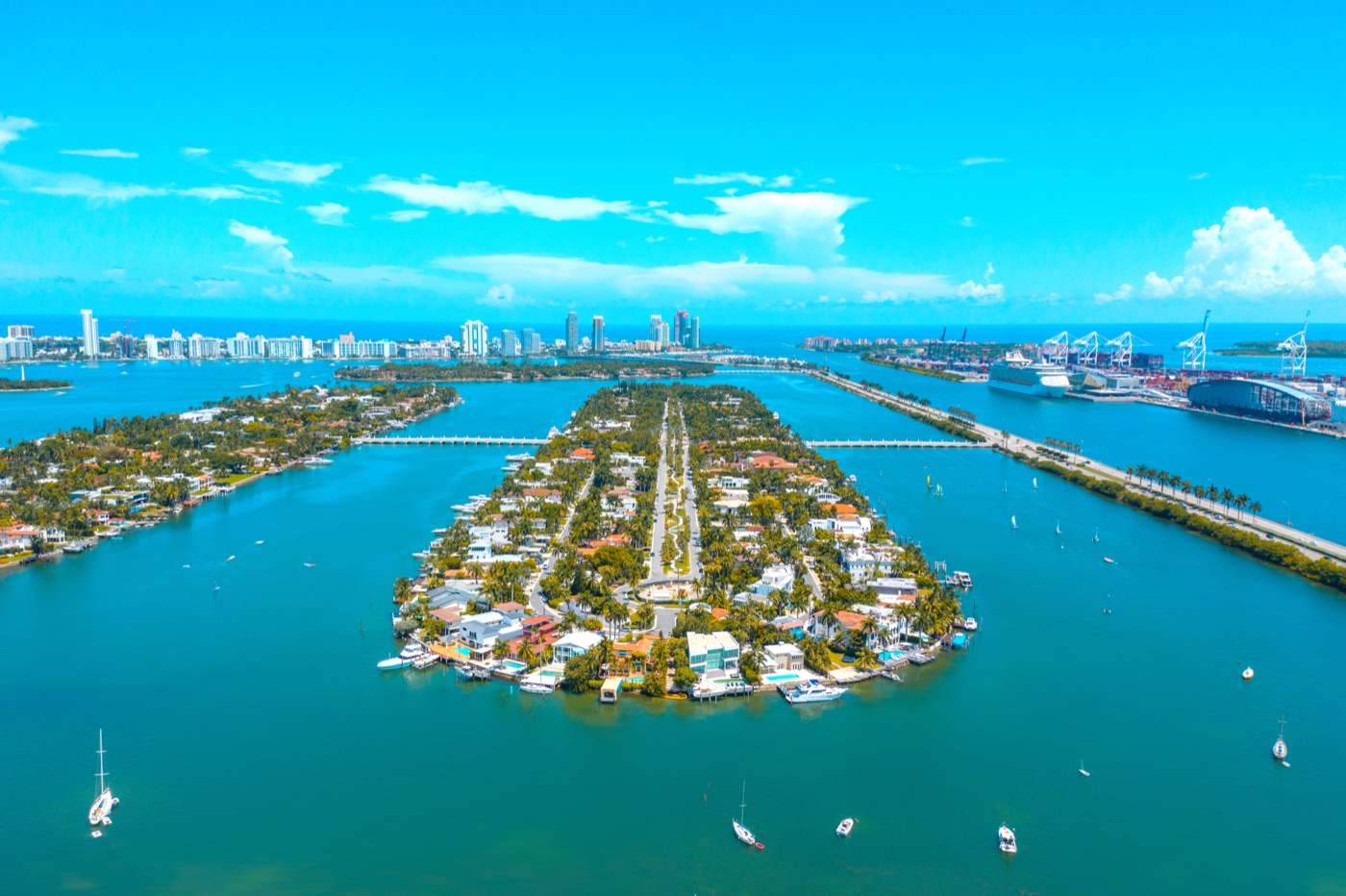
Most people assume summer is the slow season for Miami real estate. In my experience, that assumption costs buyers money because they sit on the sidelines waiting for a mythical "perfect" moment that never comes. The truth is that summer in Miami creates a very specific set of market conditions that serious buyers can use to their advantage, especially in the luxury condo segment.
Between June and September, listing inventory tends to stay elevated while the frantic pace of the spring market cools. Sellers who listed in March or April and have not yet closed a deal are now more motivated. Many of them are carrying HOA fees and property taxes on a unit they want off their books before year-end. That dynamic shifts negotiating leverage toward the buyer in ways that simply do not exist during Miami Art Basel season or the winter snowbird rush.
I have helped dozens of clients close on luxury condos in Brickell, Edgewater, Sunny Isles Beach, and Miami Beach during summer months, and the savings and terms they walked away with would not have been available six months earlier. This guide breaks down exactly what to watch for, which buildings are worth your attention right now, and how to structure an offer that gets accepted without overpaying.
Ready to Start Your Miami Condo Search?
I work with buyers across every price point and help Latin American clients navigate the full process in Spanish and English. Hablamos Espanol. Call me directly at (954) 833-0020 and let's talk about what you are looking for.
Call (954) 833-0020Why Summer Creates Real Buying Opportunities in Miami
Miami does not follow the same seasonal real estate calendar as New York or Chicago. We do not have a spring thaw that magically activates the market. What we do have is a distinct slowdown in buyer foot traffic from roughly late May through early September. Fewer showings, fewer competing offers, and more days on market for even well-priced units.
For luxury condos priced between $1 million and $5 million, days on market in summer 2025 averaged around 90 to 120 days in buildings like Icon Brickell, Marquis, Aria on the Bay in Edgewater, and Turnberry Ocean Club in Sunny Isles. Compare that to 45 to 60 days during the November through March window. That difference matters because a seller sitting on a unit for four months is a seller who is ready to talk seriously about price, closing timeline, and concessions.
Another factor is that international buyers, who drive a significant portion of luxury condo demand in Miami, tend to travel less during the Northern Hemisphere summer. Buyers from Venezuela, Colombia, Brazil, and Argentina often make their Miami purchases during their own country's vacation periods, which cluster around December and July in South America. The July window does create some summer demand, but it is still lighter than peak season. If you are a cash buyer or have pre-approved financing ready, you are operating in a thinner competitive field than at almost any other point in the year.
Explore on rangelyadames.com
Which Miami Neighborhoods Are Seeing the Most Summer Inventory Right Now
Not every Miami neighborhood behaves the same way in summer, and knowing where inventory is concentrated helps you focus your search. Here is what I am seeing on the ground across the areas I work most actively.
Brickell remains the most liquid luxury condo market in Miami. Buildings like SLS Brickell, One Brickell City Centre, and Reach and Rise at Brickell City Centre consistently have resale units available. Prices for two-bedroom units in Brickell currently range from roughly $900,000 on the lower end to $2.5 million for higher floors with bay views. Summer tends to be when sellers in Brickell are most open to covering closing costs or including furniture packages, especially on units that have been listed since Q1.
Edgewater is one of the neighborhoods I watch most closely for value. Buildings like Elysee, Missoni Baia, and Aria on the Bay sit on Biscayne Bay and offer water views at price points that still feel reasonable compared to Miami Beach. A three-bedroom in Missoni Baia might be listed at $3.2 million in peak season with no wiggle room. That same unit in July or August often comes with 5 to 8 percent negotiating room if the seller has been waiting.
Sunny Isles Beach is another summer sweet spot. The corridor along Collins Avenue between 170th and 200th streets holds some of the most concentrated luxury inventory in South Florida. Turnberry Ocean Club, Porsche Design Tower, and Jade Signature all tend to have units sitting in summer. Prices here range from $1.5 million for lower-floor two-bedrooms to well above $10 million for penthouse and half-floor residences. Sellers in Sunny Isles buildings often have high HOA fees, sometimes $3,000 to $6,000 per month, and carrying costs push them toward more flexible negotiations in slower months.
What to Budget Beyond the Purchase Price
One of the most common mistakes I see luxury condo buyers make, especially buyers relocating from New York or California, is focusing exclusively on the sticker price and underestimating total ownership costs. Miami has no state income tax, which is a genuine advantage, but there are other costs to plan for carefully.
Here is a breakdown of the ongoing costs you should factor into your budget before making an offer:
Property taxes in Miami-Dade County run approximately 1.8 to 2.1 percent of assessed value per year for non-homesteaded properties. On a $2 million condo, that is $36,000 to $42,000 annually. If you establish Florida residency and homestead the property, you get a $50,000 exemption on assessed value and the Save Our Homes cap limits increases to 3 percent per year, which matters significantly over time.
Homeowners insurance has increased sharply across South Florida since 2022. On a $2 million luxury condo, expect to pay $8,000 to $15,000 per year depending on the building, floor, construction type, and whether it has impact-rated windows and doors. Buildings with newer roof certifications and full concrete construction typically get better rates. Flood insurance may be separate and can add $2,000 to $5,000 annually depending on the flood zone designation.
Closing costs for buyers in Florida typically run 2 to 3 percent of the purchase price. This includes title insurance, documentary stamp taxes on the mortgage, lender fees, and prepaid items. On a $2 million purchase, budget $40,000 to $60,000 in closing costs on top of your down payment. I always walk my clients through a detailed closing cost estimate before we write an offer so there are no surprises at the table.
Here is a quick snapshot of what ongoing ownership costs look like for a $2 million luxury condo in Miami:
- Property taxes: $36,000 to $42,000 per year (non-homesteaded)
- HOA or condo association fees: $1,500 to $6,000 per month depending on building and unit size
- Homeowners insurance: $8,000 to $15,000 per year
- Flood insurance: $2,000 to $5,000 per year if required
- Special assessments: variable, but budget for potential one-time charges especially in older buildings post-Surfside
- Parking: some buildings charge $150 to $500 per month for additional spaces
- Closing costs: 2 to 3 percent of purchase price, paid at closing
How to Evaluate a Building Before You Make an Offer
In Miami's luxury condo market, the building you choose matters just as much as the unit itself. A beautiful apartment in a financially troubled building can become a very expensive problem. I spend a significant portion of my due diligence work reviewing the building before my clients ever fall in love with a specific unit.
The first thing I request is the condo association's most recent budget and reserve study. Florida law requires condo associations to maintain reserves for major capital components, but many buildings have historically underfunded these accounts. Post-Surfside, the pressure to fully fund reserves has intensified. If a building is sitting at 40 percent reserve funding on a roof or concrete restoration project, a special assessment is likely coming. I have seen special assessments in the $20,000 to $150,000 range per unit in South Florida buildings over the past three years.
I also review the meeting minutes from the last 12 to 24 months. Board meeting minutes tell you what the building management is actually worried about. Are there ongoing lawsuits? Elevator failures? Water intrusion complaints? Disputes with a contractor? Minutes are public record for condo associations and they paint a much more honest picture than any marketing brochure.
Finally, check the percentage of units that are owner-occupied versus renter-occupied. Fannie Mae and most conventional lenders require at least 51 percent owner occupancy for financing. In buildings with high investor concentration, buyers may face limited financing options, which limits your future resale pool as well. Buildings like 1010 Brickell and Marquis in downtown have historically had higher rental percentages, while buildings in Coral Gables or Key Biscayne tend to skew more owner-occupied.
Negotiation Strategies That Actually Work in Summer 2026
Negotiation in the luxury condo market is different from negotiating on a single-family home. Sellers of high-end condos often have strong emotional attachment to their asking price, especially if they bought at a higher point or if the unit is their primary residence. Approaching negotiation with blunt lowballing rarely works and often poisons the relationship before it starts.
The strategy I use with my buyers is to lead with a clean, credible offer rather than an aggressive number. If a unit is listed at $2.4 million and has been sitting for 90 days, I might come in at $2.15 million with strong proof of funds or a pre-approval letter, a 30-day close, and minimal contingencies. That combination signals seriousness and speed, which luxury sellers value. A $1.9 million offer with a lot of contingencies will likely get ignored even if the seller is motivated.
Another approach that works well in summer is asking for seller concessions instead of pure price reductions. Asking a seller to cover one year of HOA fees, contribute $20,000 toward closing costs, or leave the furniture and art achieves real dollar value without forcing them to move publicly from their list price. Many luxury sellers are protective of their price for comparable sale purposes, and structuring the negotiation around credits or inclusions can close a deal that a straight price cut would not.
I also track price history carefully. If a listing has been reduced twice since it was originally listed, that is a strong signal of seller flexibility. On the other hand, if a unit was just relisted after an expired contract, the seller may be feeling the pressure and ready to deal. Context matters, and having an agent who knows this market day-to-day makes a real difference in how you position your offer.
Financing a Luxury Condo in Miami: What You Need to Know
Many luxury condo buyers in Miami are cash buyers, particularly those coming from Latin America or from the tech and finance communities that have relocated here from New York and California. But a significant number of buyers do finance, and the rules for jumbo loans on Miami condos are worth understanding before you start your search.
Conventional conforming loan limits in 2026 top out at $806,500 for a single unit in Miami-Dade County. Anything above that is a jumbo loan. Jumbo loans for Miami condos require lender review of the building's financials, insurance coverage, and litigation status, in addition to your personal financial profile. Not every building qualifies, and working with a lender who has Miami condo experience is essential. I regularly refer clients to lenders who specialize in this market and already have established relationships with the buildings where my clients are shopping.
For foreign national buyers, financing options exist but are more limited. Several private banks and portfolio lenders offer foreign national mortgage programs with down payments of 30 to 40 percent and rates that are typically 0.5 to 1 percent above standard jumbo rates. On a $2 million purchase with 35 percent down, that means financing $1.3 million at a rate that might be 7.5 to 8.5 percent depending on the program. Many of my Latin American clients find that the math still works in their favor compared to keeping funds in their home country currencies, especially given Miami's long-term appreciation track record.
If you are considering a purchase at a pre-construction building, the deposit structure is different from a resale. Most Miami luxury pre-construction projects require 10 percent at contract, 10 percent at groundbreaking, 10 percent at top-off, and the remaining 70 percent at closing. I work with buyers on both resale and pre-construction and can help you weigh which structure makes more sense for your specific financial situation. Call me at (954) 833-0020 if you want to walk through the numbers on a specific project.
Summer Buying Tips for Latin American Buyers Specifically
A large portion of the clients I work with are from Venezuela, Colombia, Mexico, Argentina, Brazil, and other parts of Latin America. Hablamos Espanol, and I understand the specific concerns and priorities that come with purchasing Miami real estate from abroad. Summer is actually a strong buying window for this client base, and here is why.
First, the competition from domestic buyers is lighter in summer. That means my international clients are competing against fewer all-cash domestic buyers who might otherwise outbid them. Second, for clients whose liquid assets are held in U.S. dollar accounts, the summer period often coincides with year-end planning in their home countries, making it a natural time to deploy capital.
FIRPTA is one of the first topics I address with foreign buyers. When a foreign national sells U.S. real estate, the IRS requires withholding of up to 15 percent of the gross sale price. This is not a tax on profit but a withholding against potential capital gains liability. The distinction matters because it affects how you structure your estate planning and your exit strategy from the beginning. I always recommend that international buyers work with a U.S. tax attorney familiar with cross-border transactions before closing.
Title insurance and clear chain of title are also areas where I spend extra time with international clients. Florida has strong title insurance practices, and I strongly recommend the owner's title policy in every transaction. For buyers purchasing through an LLC or foreign entity, the title and closing process has additional steps, and working with a bilingual closing attorney makes the process significantly smoother. If you would like a referral to attorneys and advisors I trust, call my office at (954) 833-0020 and I will connect you with the right people.
How to Tell If a Luxury Condo Is Actually a Good Investment
Not every luxury condo in Miami is a good investment, and I think it is important to say that plainly. Some buildings appreciate well. Others sit flat for years or even decline in value as competing supply enters the market. Knowing the difference comes down to a few key factors I evaluate with every buyer who has an investment lens on their purchase.
Location within the market matters enormously. Waterfront and water-view units in established buildings consistently outperform inland units in newer, less distinguished buildings. A unit at Apogee in South Beach with direct ocean views has a fundamentally different demand profile than a city-view unit in a mixed-use tower in Midtown Miami. Both might be priced at $2 million, but their appreciation trajectories over 10 years will look very different.
Supply pipeline is the factor most buyers overlook. Miami has seen a significant wave of new luxury condo development since 2021. Neighborhoods like Edgewater, Brickell, and Wynwood have hundreds of new units coming online between 2025 and 2028. In markets with heavy new supply, resale units compete directly with brand-new inventory. If your exit strategy depends on appreciation within five years, choose a building and location where new supply is physically limited, such as Key Biscayne, Fisher Island, or the barrier island portions of Miami Beach where developable land is genuinely scarce.
Rental income potential is the third pillar. If you plan to rent the unit when you are not using it, verify the building's rental policy before you buy. Some of Miami's most desirable buildings allow rentals with a minimum of six months. Others have waiting lists for rental approvals. Buildings that allow 30-day minimum rentals tend to generate stronger short-term income but can also attract a more transient resident profile, which some buyers value and others want to avoid. I can walk you through the rental rules at every major building in my market before you commit.
Let's Find Your Miami Luxury Condo This Summer
Summer 2026 is a real window of opportunity for prepared buyers in Miami's luxury condo market. Call Rangely Adames at (954) 833-0020 and let's put your search into motion before the season shifts.
Related Articles
September 28, 2026 · 10 min read
Argentine Buyers Guide to Miami Real Estate: Process, Financing Themes, and Neighborhood Fit (2026)
Buying Miami real estate from Argentina is workable when you separate what your agent coordinates from what your attorney, CPA, and lender decide. This support guide walks through the process, financing themes, remote closing, and neighborhood fit, then points you to the Argentina foreign-buyer hub for next steps.
Read article →February 2026 · 9 min read
Aventura Real Estate Guide: Condos, Schools & Lifestyle (2026)
Luxury high-rises, top-rated schools, and the Aventura Mall — why families and investors love this North Miami suburb.
Read article →February 2026 · 9 min read
Airbnb Investment Properties in Miami: Rules, ROI & Best Areas
Short-term rental regulations, income projections, and the best Miami neighborhoods for Airbnb investing.
Read article →