Miami Luxury Condo Views: What You're Actually Paying For (2026)
By Rangely Adames • June 2026 • 11 min read
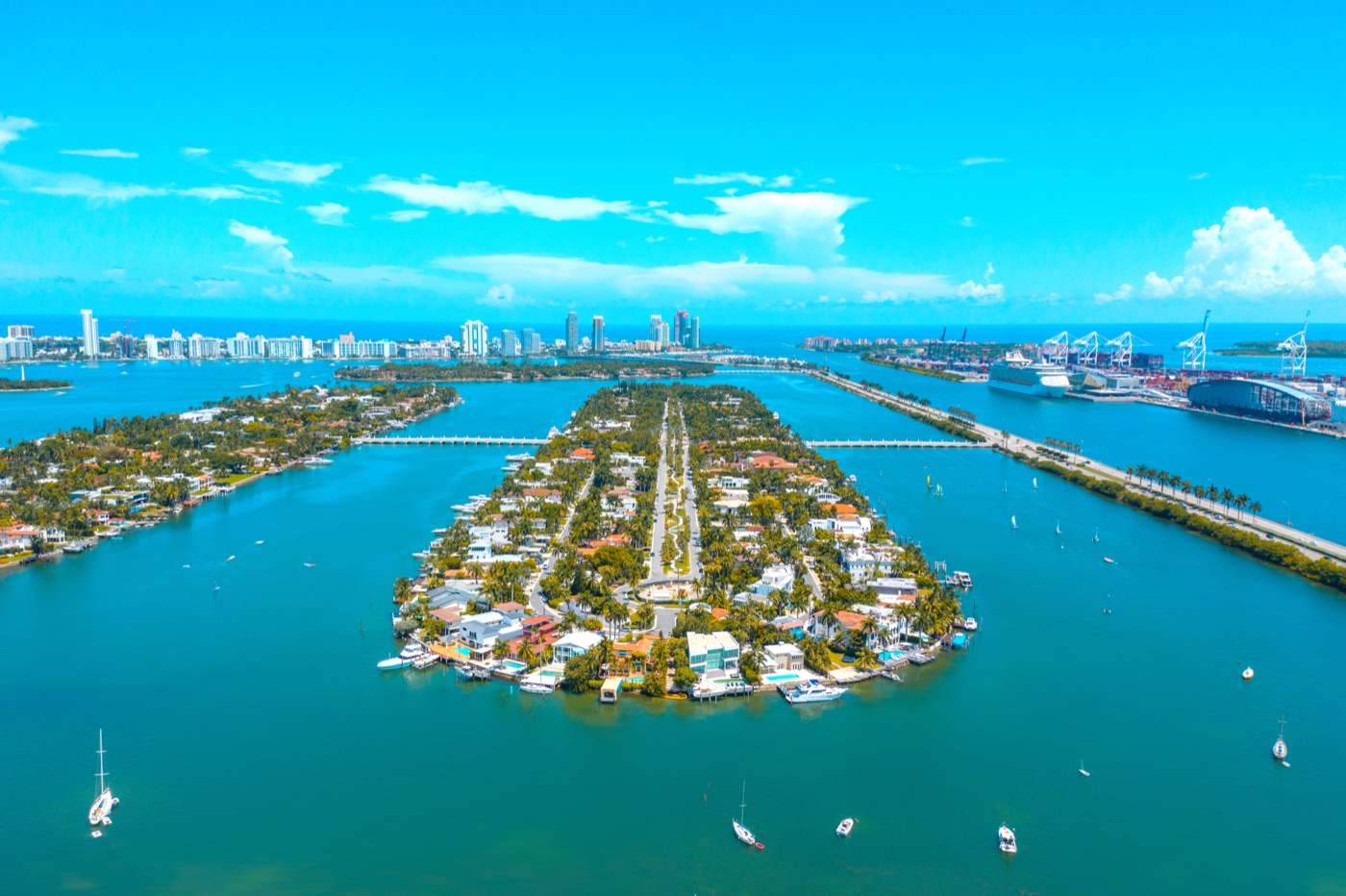
One of the first questions I get from buyers, whether they are coming from New York, Bogota, or Buenos Aires, is some version of the same thing: "Is the view worth the extra money?" It sounds simple, but the honest answer requires understanding what kind of view you are talking about, which floor you are on, which direction the unit faces, what is between you and the horizon, and whether that view is legally protected or could be blocked by a new tower next year. In Miami, a view is not just an aesthetic amenity. It is a priced asset.
I have helped clients buy and sell luxury condos across Brickell, Edgewater, Coconut Grove, Key Biscayne, Miami Beach, Sunny Isles, and Bal Harbour. In my experience, the difference between a southeast-facing bay view on the 35th floor and a northwest-facing city view on the same floor can be $150,000 to $400,000 in the same building. That is not marketing. That is what the market is actually transacting. Before you spend that premium, or decide to pass on it, you deserve a clear breakdown of what you are getting.
This guide walks through the main view categories in Miami luxury condos, what each one typically costs, how views hold up as resale assets, and the mistakes I see buyers make when they prioritize or dismiss a view without doing their homework.
Not Sure If the View Is Worth the Price?
I break down the view premium on any Miami condo you are considering, floor by floor and line by line. Hablamos Espanol. Call (954) 833-0020 for a no-pressure consultation.
Call (954) 833-0020The Four Main View Categories in Miami and How They Are Priced
Miami is surrounded by water on multiple sides, and the skyline has grown dramatically over the past decade. That combination creates a surprisingly complex view market. There are four main categories I work with: direct ocean views, direct bay views, city skyline views, and what I call sunset or Everglades views, which face west toward the mainland.
Direct ocean views are typically the most expensive category. In Sunny Isles Beach buildings like Porsche Design Tower, Regalia, and Armani Casa, a direct oceanfront unit on a high floor can command $2,500 to $4,500 per square foot. The same building, same floor, but facing the Intracoastal instead of the Atlantic can run $400 to $800 per square foot less depending on the floor and line. Buyers in this market are paying specifically for the horizon, the waves, and the unobstructed water plane that stretches to the edge of your vision.
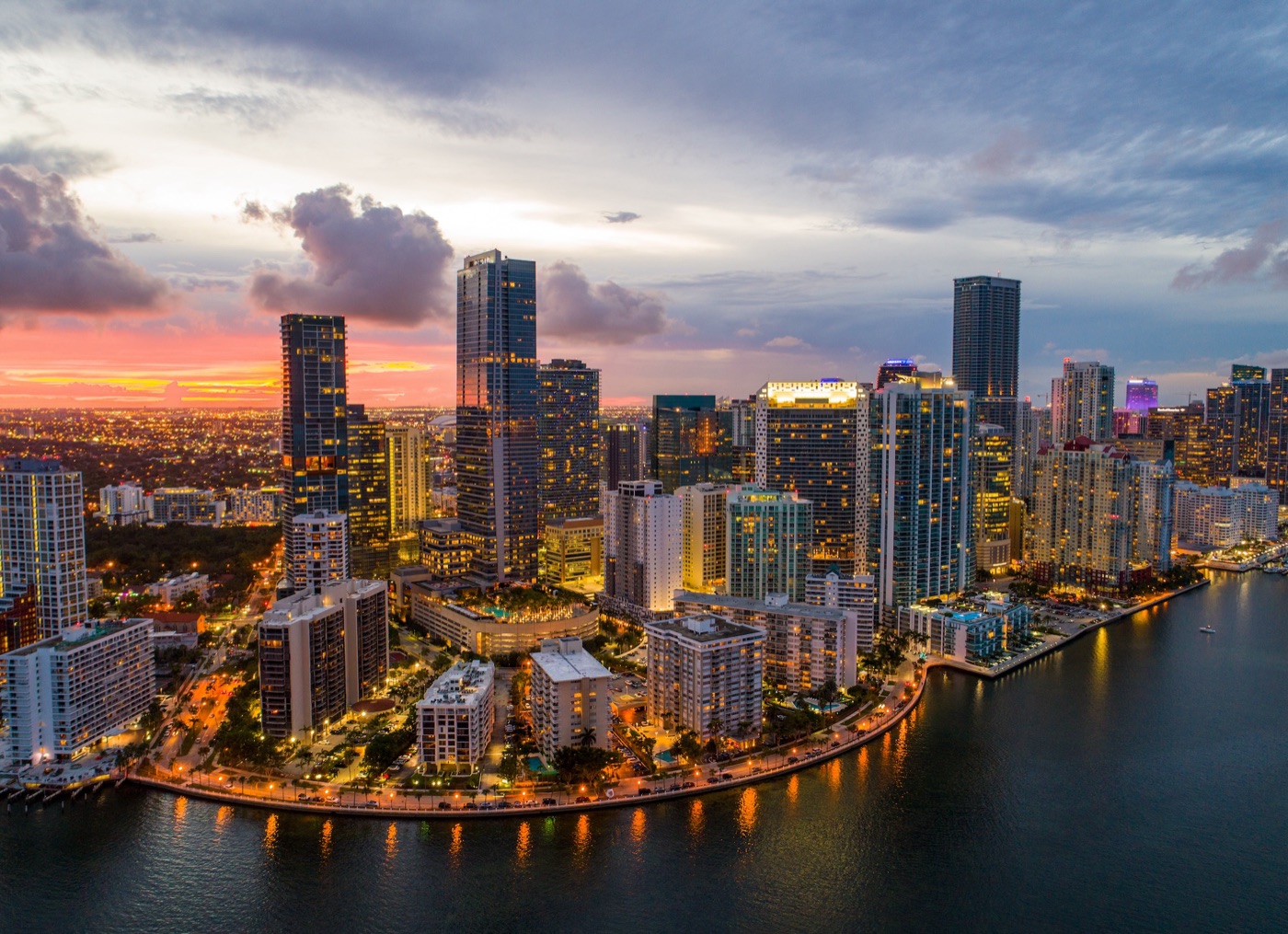
Bay views, particularly direct Biscayne Bay views from Edgewater, Brickell, Coconut Grove, or Key Biscayne, carry serious premiums but for slightly different reasons. The bay is calmer, the light is softer, and the views often include the Miami skyline reflected on the water. At buildings like One Paraiso, Elysee, or Grove at Grand Bay, a direct bay view unit routinely trades at 15 to 25 percent more than a comparable city-facing unit in the same building. City skyline views have their own audience, often buyers who love the energy of the urban grid at night, and these units can still command strong prices, especially in Brickell towers like Brickell Flatiron or SLS LUX, where the upper floor city views are genuinely spectacular.
Sunset views are the often-overlooked fourth category. A high floor unit in a Brickell tower facing west can offer dramatic Everglades and sunset panoramas that some buyers find more beautiful than the bay. These units are generally priced 10 to 20 percent below comparable bay-facing units in the same building, which makes them interesting for value-oriented buyers who are not chasing the classic water view.
Explore on rangelyadames.com
Floor Matters as Much as Direction
I tell every buyer that the view direction and the floor number are equally important variables. A bay-facing unit on the 8th floor of a building in Edgewater might have its sightline completely blocked by the low-rise apartment building across the street. The same unit on the 22nd floor has a clear unobstructed bay view. These two units can be in the exact same line, with the same square footage and the same finishes, and the price difference can easily be $200,000 or more.
Most Miami luxury buildings have what I call a "threshold floor," the point at which the view clears all nearby obstructions and becomes uninterrupted. In Brickell, depending on the specific tower and its location on Brickell Avenue versus a side street, that threshold might be floor 15 in one building and floor 30 in another. I always do a site visit with buyers and we go up in the elevator to confirm the exact floor where the view opens up before we start making offers.
There is also the issue of partial views versus full views. A unit that has a sliver of bay visible between two other towers will be listed as having a bay view, and it technically does. But that is not the same as the expansive 180-degree bay panorama you see in the marketing photographs. I have seen buyers purchase a unit based on renderings and be genuinely surprised when they move in. Do not skip the in-person walkthrough at the actual unit before you close.
View Protection: The Question Nobody Asks Until It Is Too Late
This is the single most important issue I raise with every buyer who is paying a significant view premium. In Miami, views are almost never legally protected. The city's zoning code allows new construction at significant heights in most urban corridors, and the development pipeline is still very active in 2026. If you buy a condo today because of the unobstructed bay view, and a new 60-story tower breaks ground on the vacant lot directly in front of you next year, you may lose that view entirely. That is a real scenario I have seen play out.
Before paying a view premium, I always research the zoning of every property between the unit and the horizon. If that land is zoned for high-density residential or mixed-use and is currently a parking lot, a low-rise retail strip, or a surface lot, I flag that as a view risk. Waterfront parcels are the one exception, because in most cases land directly on Biscayne Bay or the Atlantic Ocean cannot be developed in a way that would block the water view, though new towers adjacent to the water can still affect your angle.
Buildings on Key Biscayne, for example, have a meaningful view protection advantage simply because the island's density is tightly controlled and surrounded by parkland and the water. Buyers at buildings like The Roads or Grovenor House in Coconut Grove similarly benefit from the fact that the bay and the park in front of them are not going anywhere. I always factor that stability into my advice on whether a view premium is justified.
How Views Affect Resale Value and Time on Market
In my experience selling Miami luxury condos, units with strong unobstructed views sell faster and hold their value better during market corrections. During the slower market stretch of 2023 into early 2024, I watched city-facing units in Brickell towers sit on the market for 90 to 150 days while comparable bay-facing units in the same buildings sold in 30 to 45 days. The view creates emotional demand that drives faster decisions.
Longer term, ocean and bay view units in established luxury buildings have appreciated at a meaningfully higher rate than interior or city-facing units in the same buildings. Looking at five-year resale data in buildings like Marquis, Paramount Bay, and 18 at One Fisher Island, the premium buyers paid for the best views at purchase has generally grown at closing, not shrunk. That is not a guarantee, but it is a pattern I have observed consistently.
There is one important caveat: when a building gets significantly older or faces a large special assessment for building recertification or structural work, the view matters less to buyers evaluating risk and more time is spent on the financials of the association. A spectacular bay view in a building with a $50,000 per-unit special assessment pending is going to trade at a discount regardless of what the view looks like. The view is an asset, but it operates within the broader context of the building's overall condition.
Neighborhood by Neighborhood: Where Views Command the Biggest Premiums
The view premium varies significantly by neighborhood, and understanding those differences helps buyers allocate their budget more efficiently.
In Sunny Isles Beach, the ocean view premium is the largest in the market. You are paying for a true beachfront experience, and the Atlantic is right there. Many buildings sit directly on the sand, so even lower floors have a close relationship with the water. The premium here can be 30 to 50 percent between an ocean-facing and an Intracoastal-facing unit in the same building.
In Edgewater and Brickell, the bay and city view dynamics are more nuanced. Edgewater is a narrower strip of land along the bay, and the best buildings there, such as Missoni Baia, One Paraiso, and Elysee, were designed to maximize direct bay exposure. The premiums are significant but more predictable. Brickell is denser, which creates more competition between towers for sightlines, and the view calculus is more complex. Here I spend the most time doing floor-by-floor analysis before advising a buyer.
Coconut Grove and Key Biscayne offer a different kind of view premium. These neighborhoods have a more residential scale, and the views are often more intimate, looking out over Biscayne Bay with sailboats and mangroves in the foreground rather than a raw urban horizon. Buyers who pay a premium here are often paying as much for the lifestyle and the neighborhood context as for the pure visual spectacle. Miami Beach, particularly in Mid-Beach buildings like Faena House or the Surf Club Four Seasons residences, commands ocean view premiums that are among the highest per square foot in all of South Florida.
Here is a quick summary of typical view premiums by neighborhood based on what I have seen transact in the last 24 months:
- Sunny Isles Beach: Ocean vs. Intracoastal premium of 30 to 50 percent in the same building
- Edgewater: Direct bay view premium of 15 to 25 percent over city-facing units
- Brickell: Bay or water view premium of 10 to 20 percent, highly dependent on specific floor and obstruction analysis
- Miami Beach (Mid-Beach and South Beach): Direct ocean view premium of 20 to 40 percent over bay or city-facing units
- Coconut Grove and Key Biscayne: Bay view premium of 15 to 30 percent, with stability advantage from low-density surroundings
- Bal Harbour and North Beach: Ocean or Intracoastal premiums of 20 to 35 percent depending on floor and angle
When the View Premium Is Not Worth It
I will be direct: there are situations where I advise my clients to skip the view premium entirely. The first is when the budget required to access a true unobstructed view puts the buyer into a monthly carrying cost that is uncomfortable relative to their overall financial picture. If you are stretching to a $3.2 million unit primarily because of the bay view when a $2.6 million unit in the same building or neighborhood meets all your other needs, that $600,000 difference deserves serious scrutiny.
The second situation is when a buyer is purchasing primarily as a short-term rental investment. Guests do care about views, but they also care heavily about location, amenities, and price point. The incremental rental income you generate from a top-floor ocean view unit versus a mid-floor city view unit rarely justifies the full purchase price premium. The math on rental yield almost always favors the lower-priced unit with comparable amenities.
Third, if a buyer is buying a unit primarily as a pied-a-terre they will use 20 to 30 days per year, I encourage them to focus on building quality, unit layout, and HOA stability rather than spending heavily on a view they will enjoy only occasionally. The view is most valuable to people who live in the unit full-time or at least spend significant time there. If that is you, it may absolutely be worth every dollar.
Questions to Ask Before You Pay a View Premium
Over the years I have developed a specific checklist I go through with buyers who are considering paying a significant view premium. These are the questions that have saved my clients from expensive mistakes and helped them feel confident when the premium is genuinely justified.
Start by asking the listing agent to show you the actual unit, not a model unit on a different floor. Look at the view at different times of day if you can, because morning light and evening light transform a view completely. Ask specifically whether any permits have been filed for construction on parcels between the unit and the water. Your agent can run this through the Miami-Dade building department records, and I always do this before a client submits an offer.
Ask about the history of the view in that specific line. Has anything changed in the last five years? Are there other buildings in the same development pipeline that will eventually rise nearby? Look at the zoning map yourself. A good agent will walk you through all of this, and if your agent is not raising these questions, that is a signal to call someone who will. You can reach me at (954) 833-0020. I work with buyers across all Miami neighborhoods and I do this analysis on every view-premium transaction.
Working with a Miami Agent Who Knows the View Market
View analysis in Miami is genuinely specialized knowledge. It requires familiarity with the zoning code, the development pipeline, the specific sightline geometry of individual buildings, and the historical transaction data across comparable units in the same building. It is not something you can get from a Zillow estimate or a floor plan PDF.
I work with clients from the United States, Latin America, Europe, and Canada who are purchasing Miami luxury condos at all price points. Many of my Latin American clients appreciate that our conversations can happen entirely in Spanish. Hablamos Espanol, and that matters when you are making a seven-figure real estate decision and you want to be certain that nothing is lost in translation.
Whether you are buying a direct oceanfront residence in Sunny Isles, a bay view condo in Edgewater, or a city-view unit in Brickell, I will give you a straight assessment of whether the view premium is justified based on the specific unit, the specific building, and the current market. I have walked away from deals with clients when the numbers did not support the price being asked. That is the kind of counsel I believe buyers deserve. Call me at (954) 833-0020 to talk through any property you are considering.
Ready to Find Your Miami Condo View?
Whether you are searching in Brickell, Edgewater, Sunny Isles, or Miami Beach, I will help you evaluate every view premium with real data and honest advice. Call Rangely Adames at (954) 833-0020 today.
Related Articles
September 28, 2026 · 10 min read
Argentine Buyers Guide to Miami Real Estate: Process, Financing Themes, and Neighborhood Fit (2026)
Buying Miami real estate from Argentina is workable when you separate what your agent coordinates from what your attorney, CPA, and lender decide. This support guide walks through the process, financing themes, remote closing, and neighborhood fit, then points you to the Argentina foreign-buyer hub for next steps.
Read article →February 2026 · 9 min read
Aventura Real Estate Guide: Condos, Schools & Lifestyle (2026)
Luxury high-rises, top-rated schools, and the Aventura Mall — why families and investors love this North Miami suburb.
Read article →February 2026 · 9 min read
Airbnb Investment Properties in Miami: Rules, ROI & Best Areas
Short-term rental regulations, income projections, and the best Miami neighborhoods for Airbnb investing.
Read article →