Miami Luxury Condo Winter Buying Guide (2026)
By Rangely Adames • July 2026 • 11 min read
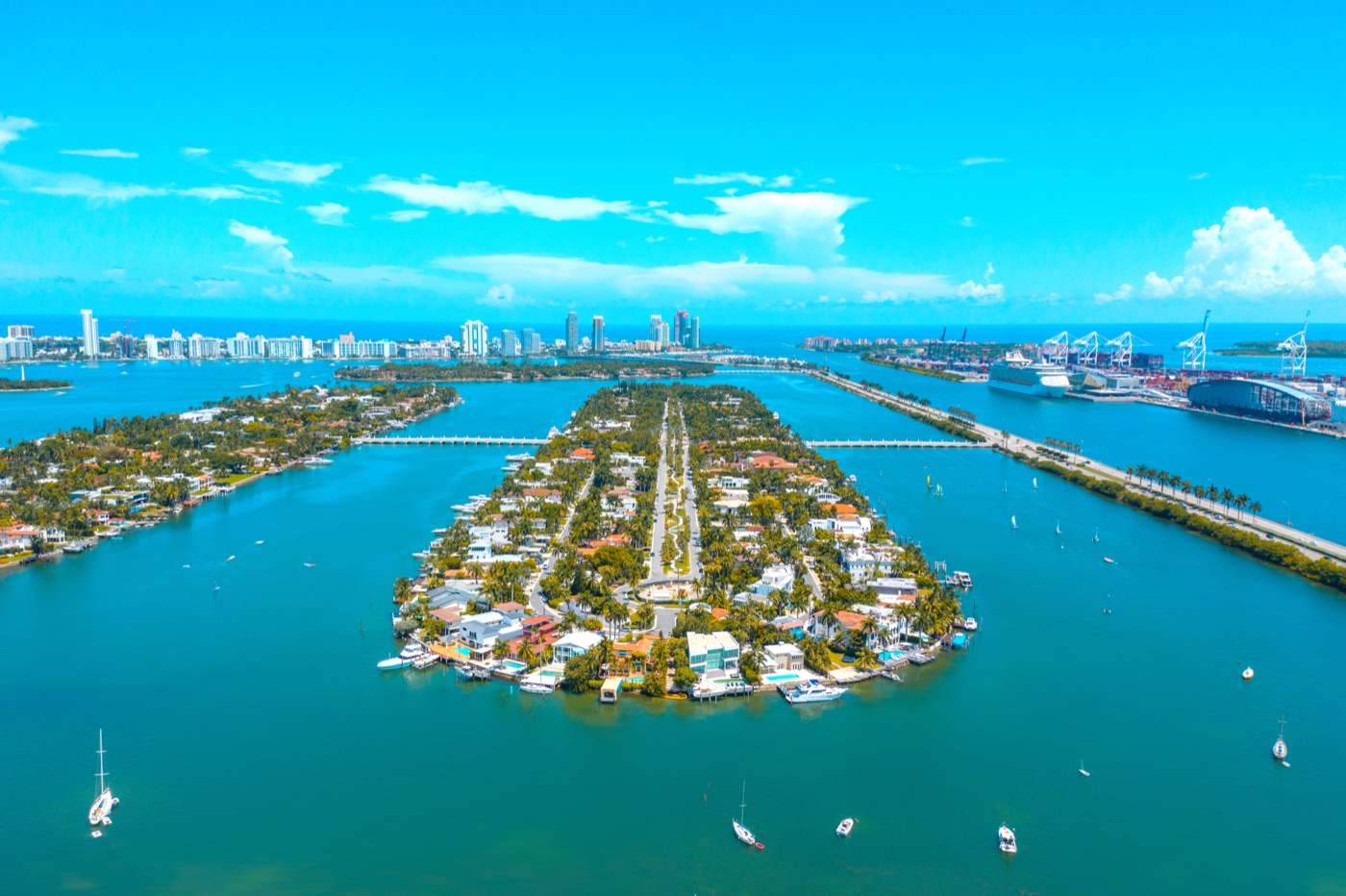
Most people assume that spring is the prime season to buy real estate in Miami. That assumption is only partially true, and for luxury condo buyers, it can actually cost you money. In my experience working with clients across Brickell, Sunny Isles Beach, Edgewater, and Bal Harbour, the winter months, roughly November through February, offer a set of conditions that smart buyers know how to use to their advantage. Inventory is more carefully curated, sellers who have had their units listed since summer are often genuinely motivated, and the frenzy of competing offers that shows up every March has not yet arrived.
That said, winter in Miami is not a sleepy off-season the way it might be in Chicago or Boston. Miami's luxury market stays active twelve months a year, driven by international buyers, corporate relocations, and second-home seekers from the Northeast and Latin America. The difference in winter is more about the quality of the opportunity than a slowdown in activity. If you know what to look for and how to read the market signals, you can close on a unit at a better price per square foot, with better terms, and with less competition than you would face in the spring rush.
This guide is my honest breakdown of what buyers should know before entering the Miami luxury condo market this winter. I cover where the best opportunities are right now, what to watch out for in building financials, and how to structure an offer that actually gets accepted. If you have questions at any point, call me directly at (954) 833-0020. Hablamos Espanol.
Ready to Start Your Miami Condo Search?
I work with buyers at every price point across Miami's luxury condo market, and I am happy to walk you through current inventory, building financials, and negotiation strategy at no obligation. Call me at (954) 833-0020. Hablamos Espanol.
Call (954) 833-0020Why Winter Creates Real Buying Opportunities in Miami
The Miami luxury condo market operates on a cycle that many buyers do not fully understand until after they have already purchased. Listing activity tends to spike in late January and February as sellers prepare to catch the spring wave of buyers. That means units listed in October or November that have not yet sold are now sitting on market with days-on-market counts that make sellers uncomfortable. In a building like Aria on the Bay in Edgewater or Jade Signature in Sunny Isles, where comparable units routinely trade between $1.2 million and $3.5 million, even a seller who was firm at listing price in September will often negotiate meaningfully by December.
I have seen winter transactions close at 5 to 8 percent below the original list price in buildings where the spring equivalent might have gone at list or above. On a $2 million unit, that is $100,000 to $160,000 in real savings. Those numbers matter regardless of your budget. The key is identifying which listings represent genuine motivation versus which sellers are simply testing the water and will relist at a higher price next spring.
International buyer traffic also behaves differently in winter. Latin American buyers, particularly those from Venezuela, Colombia, Brazil, and Argentina, tend to travel to Miami in November and December for the holidays, and many of those trips turn into property tours. European buyers often arrive in January. This creates a brief window of increased activity that is still below the peak intensity of March through June. For a prepared buyer who has already secured financing or proof of funds, this window is ideal.
Explore on rangelyadames.com
The Neighborhoods Where I Am Watching Inventory Right Now
Not every neighborhood behaves the same way in winter, and part of my job is knowing where the pockets of opportunity are building up. Here is where I am paying the closest attention heading into early 2026.
Brickell continues to see new inventory come online as pre-construction deliveries from projects that broke ground three and four years ago reach completion. Buildings like St. Regis Brickell and Una Residences are delivering units to buyers who may now choose to resell rather than occupy, which adds fresh resale supply to a neighborhood that already has a wide range of price points, from $700,000 for a well-appointed one-bedroom to over $5 million for a full-floor unit with direct bay views.
Edgewater has matured considerably over the past five years. What was once considered a transitional neighborhood is now home to some of the most architecturally interesting buildings in Miami, including Elysee, Missoni Baia, and Paraiso Bay. Average prices per square foot in Edgewater currently range from about $900 to $1,400, depending on the building and floor. Winter listings here tend to come from original pre-construction buyers who purchased four or five years ago and are now sitting on significant appreciation.
Sunny Isles Beach is a market I watch closely for my Latin American clients because it offers a combination of ocean-front luxury, strong rental demand, and a community feel that many buyers from Venezuela and Colombia find familiar. Turnberry Ocean Club, Porsche Design Tower, and Armani Casa all have resale units available at various price points. In winter, listing agents in Sunny Isles tend to be more flexible on closing timelines, which can be useful for buyers who need a few extra weeks to coordinate international wire transfers or finalize financing.
Bal Harbour and the area around Bay Harbor Islands offer a quieter luxury experience that some buyers specifically seek out. The Residences at Bal Harbour and newer boutique projects in Bay Harbor Islands appeal to buyers who want proximity to the beach and Bal Harbour Shops without the density of South Beach or Brickell. I have seen prices here range from $1.1 million for a two-bedroom with city views to over $4 million for direct oceanfront units.
What to Look for in a Building's Financial Health
Since the Surfside collapse in 2021 and the subsequent passage of Florida's building recertification legislation, condo due diligence has become more critical than ever. Florida law now requires buildings three stories or taller to undergo milestone inspections at 30 years and every 10 years thereafter. Equally important is the structural integrity reserve study, which determines how much money a building must hold in reserves to fund future repairs.
Before you fall in love with any unit, I always recommend reviewing the building's most recent reserve study, the last 12 months of board meeting minutes, and the current reserve fund balance. A building with a reserve fund that is less than 50 percent funded is not automatically a dealbreaker, but it does signal potential for a special assessment in the near future. I have seen assessments in Brickell buildings range from $8,000 to over $60,000 per unit depending on the scope of the work required.
HOA fees in Miami luxury buildings vary widely. In a full-amenity tower in Brickell or Edgewater, you might pay between $1,200 and $2,500 per month for a two-bedroom unit. Buildings with marinas, private pools, concierge, valet, and spa facilities tend to sit at the higher end of that range. What matters is not the fee itself but what it covers. A building with a $1,800 monthly HOA that fully funds reserves and includes all utilities is often a better deal than one at $1,200 that is underfunded and excludes water and cable.
The 40-year and 50-year recertification process is something I discuss with every client buying in an older building. Many of Miami Beach's mid-century towers and some older Brickell buildings are currently in various stages of recertification. This is not necessarily bad news, but it does mean you need to understand exactly what repairs are planned, what they cost, and how the building intends to fund them before you sign a contract.
Pricing Benchmarks Across Miami's Luxury Condo Market
One of the most common mistakes I see buyers make is trying to apply a single price-per-square-foot benchmark across wildly different product types. A 1,400-square-foot unit in a 2005-era Brickell tower competes on a completely different basis than a 1,400-square-foot unit in a 2022-delivered building with full smart-home integration and a private pool deck.
As of early 2026, here are the approximate price ranges I work with across the main luxury condo markets in Miami. Brickell ranges from about $750 to $1,600 per square foot, with newer and higher-floor units at the top of that range. Edgewater runs from roughly $900 to $1,450 per square foot for boutique and branded residences. Sunny Isles Beach oceanfront product trades between $1,100 and $2,200 per square foot, with ultra-luxury towers like Porsche Design and Armani at the higher end. Miami Beach, depending on the specific neighborhood, ranges from $900 to over $3,000 per square foot for trophy properties on Collins or oceanfront in Mid-Beach. Coral Gables, which is less condo-heavy but has strong boutique product, runs from about $600 to $950 per square foot.
Understanding where a specific listing sits within its building's own price-per-square-foot range matters more than comparing it to the broader neighborhood average. A north-facing unit on the 12th floor of a building should not be priced the same as a southeast-facing unit on the 35th floor with unobstructed bay and ocean views. When I run comparables for a client, I am looking at the same building first, then comparable buildings in the same submarket, then adjusting for floor, exposure, finish level, and parking.
How to Structure a Competitive Offer in Winter
A well-structured offer does more than just name a price. In Miami's luxury condo market, sellers and their agents pay attention to the full package, including deposit size, contingency timelines, and closing flexibility. Getting these details right can make the difference between a seller choosing your offer over one that is nominally higher.
For resale condos, the standard deposit in Miami is 10 percent of the purchase price, paid in two installments. The initial deposit of 3 to 5 percent is due within 3 business days of contract execution. The balance is due after the inspection and due diligence period closes, typically within 15 to 30 days. In a winter transaction where you are the motivated buyer and the seller has been on market for 60 or more days, offering a larger initial deposit signals seriousness and can give you leverage to ask for price concessions elsewhere.
The inspection and due diligence period for a luxury condo purchase should include not just a physical inspection of the unit but a full review of the condo association documents. Under Florida law, you have three business days after receiving the condo documents to cancel the contract for any reason and receive a full refund of your deposit. This is a meaningful protection that I always make sure my buyers understand and use fully.
Cash offers remain common in Miami's luxury market, particularly among international buyers. If you are financing, getting a fully underwritten pre-approval, not just a pre-qualification letter, before you make an offer is essential. Many listing agents in the $1.5 million and above range will not take a financed offer seriously without documentation that the lender has already reviewed your income, assets, and credit. Some buildings also have their own financing restrictions, capping loans at 70 or even 60 percent of the purchase price, so confirming building-level rules before you fall in love with a specific unit is something I handle for every client I represent.
Understanding Miami's Condo Rental Rules Before You Buy
One of the questions I hear most often from buyers, especially investors and second-home purchasers, is whether they can rent out their unit when they are not using it. The honest answer is that it depends entirely on the building's declaration and rules, and those rules vary dramatically from one property to the next.
Some buildings in Brickell and Edgewater allow rentals with a minimum lease term of 30 days, which makes them attractive for medium-term rental platforms and corporate housing. Others require a minimum lease of 6 months or even 12 months, which limits rental income potential but can also protect long-term resale value by keeping the owner-to-renter ratio high. Buildings with a high percentage of renters, generally above 35 to 40 percent, can face Fannie Mae and Freddie Mac restrictions that make it harder for future buyers to obtain conventional financing, which ultimately affects your exit strategy.
Short-term rentals, meaning stays of less than 30 days, are prohibited in most luxury condo buildings in Miami. The City of Miami and Miami-Dade County both have regulations governing short-term rentals, but building-level rules are almost always more restrictive than local ordinances. If short-term rental income is part of your investment thesis for a specific building, I will tell you directly whether that is realistic before you make an offer.
Tax Considerations for Winter Buyers
Closing on a Miami condo in winter, particularly before December 31, can have meaningful tax implications depending on your situation. For buyers establishing Florida residency, closing and recording the deed before year-end allows you to file for the Florida Homestead Exemption by March 1 of the following year. The Homestead Exemption reduces your assessed value by up to $50,000, and the Save Our Homes cap limits annual assessment increases to 3 percent or the rate of inflation, whichever is lower. On a $2 million property with a Miami-Dade millage rate of roughly 1.9 to 2.2 percent, the long-term savings from locking in a base year early add up significantly.
For investment buyers who are not claiming homestead, the property tax picture is different. Miami-Dade County reassesses investment properties at market value each year, which means appreciation is fully reflected in your tax bill without the Save Our Homes protection. Buyers who purchase in December and close just after January 1 will have their first full year of taxes assessed at their new purchase price. Planning your close date with this in mind is something I coordinate with the title company and buyer's tax advisor on every transaction.
Foreign buyers purchasing through a US entity, such as an LLC or trust, should also be aware of FIRPTA withholding requirements if they ever plan to sell. Structuring the purchase correctly from the beginning is far easier than trying to unwind a poorly planned ownership structure at resale. I work closely with a network of Miami-based real estate attorneys and international tax advisors who handle these structures regularly, and I am happy to make introductions.
Common Mistakes Winter Buyers Make and How to Avoid Them
After years of guiding buyers through Miami luxury condo transactions, I have seen the same mistakes come up repeatedly. The good news is that all of them are avoidable with the right preparation.
Here are the most common ones I address with clients before we start touring properties:
Skipping the condo document review because the unit looks perfect. A beautiful unit in a building with $800,000 in deferred maintenance and a reserve fund sitting at 18 percent funded is a liability, not an asset. Always do the full document review before your inspection period closes.
Making an offer without confirming board approval requirements. Some luxury buildings in Miami require buyers to submit a formal application and receive board approval before closing. This process can take 30 to 60 days and involves background checks, financial disclosures, and in some cases an in-person interview. Knowing this upfront prevents contract cancellations and wasted attorney fees.
Underestimating closing costs. In Miami, buyers should budget for 2 to 4 percent of the purchase price in closing costs on top of the purchase price. This includes title insurance, documentary stamp taxes on the mortgage if you are financing, recording fees, and any building-specific transfer or move-in fees. On a $1.8 million purchase, that is $36,000 to $72,000 in additional costs.
Focusing only on the purchase price and ignoring the total cost of ownership. Monthly HOA fees, property taxes, insurance, and special assessments are all part of the real cost of owning a luxury condo in Miami. I always build out a full monthly and annual cost model for my clients before they make an offer so there are no surprises at closing or afterward.
Trying to time the market perfectly. I understand the impulse. Everyone wants to buy at the exact bottom and sell at the exact top. In my experience, buyers who wait for a theoretically perfect moment often miss genuinely good opportunities while prices continue to move. The right time to buy is when the unit meets your needs, the building is financially sound, and the numbers work for your situation.
Quick reference checklist for winter luxury condo buyers in Miami:
- Secure fully underwritten financing or prepare proof-of-funds documentation before touring
- Confirm the building's rental policy, board approval process, and reserve fund status before making an offer
- Review condo documents thoroughly during your statutory 3-business-day window
- Budget 2 to 4 percent of purchase price for closing costs beyond the purchase price itself
- Confirm whether the building allows pets, short-term rentals, or has restrictions on investor buyers
- Check the building's milestone inspection and 40-year recertification status if the building is 20 years or older
- Close before December 31 if you plan to file for the Florida Homestead Exemption for the coming tax year
Let's Find the Right Miami Condo for You This Winter
Whether you are buying for personal use, as a second home, or as an investment, the Miami luxury condo market has real opportunities right now for prepared buyers. Call me at (954) 833-0020 and let's get started.
Related Articles
September 28, 2026 · 10 min read
Argentine Buyers Guide to Miami Real Estate: Process, Financing Themes, and Neighborhood Fit (2026)
Buying Miami real estate from Argentina is workable when you separate what your agent coordinates from what your attorney, CPA, and lender decide. This support guide walks through the process, financing themes, remote closing, and neighborhood fit, then points you to the Argentina foreign-buyer hub for next steps.
Read article →February 2026 · 9 min read
Aventura Real Estate Guide: Condos, Schools & Lifestyle (2026)
Luxury high-rises, top-rated schools, and the Aventura Mall — why families and investors love this North Miami suburb.
Read article →February 2026 · 9 min read
Airbnb Investment Properties in Miami: Rules, ROI & Best Areas
Short-term rental regulations, income projections, and the best Miami neighborhoods for Airbnb investing.
Read article →