How to Buy or Sell a Miami Luxury Condo in Winter (2026)
By Rangely Adames • July 2026 • 11 min read
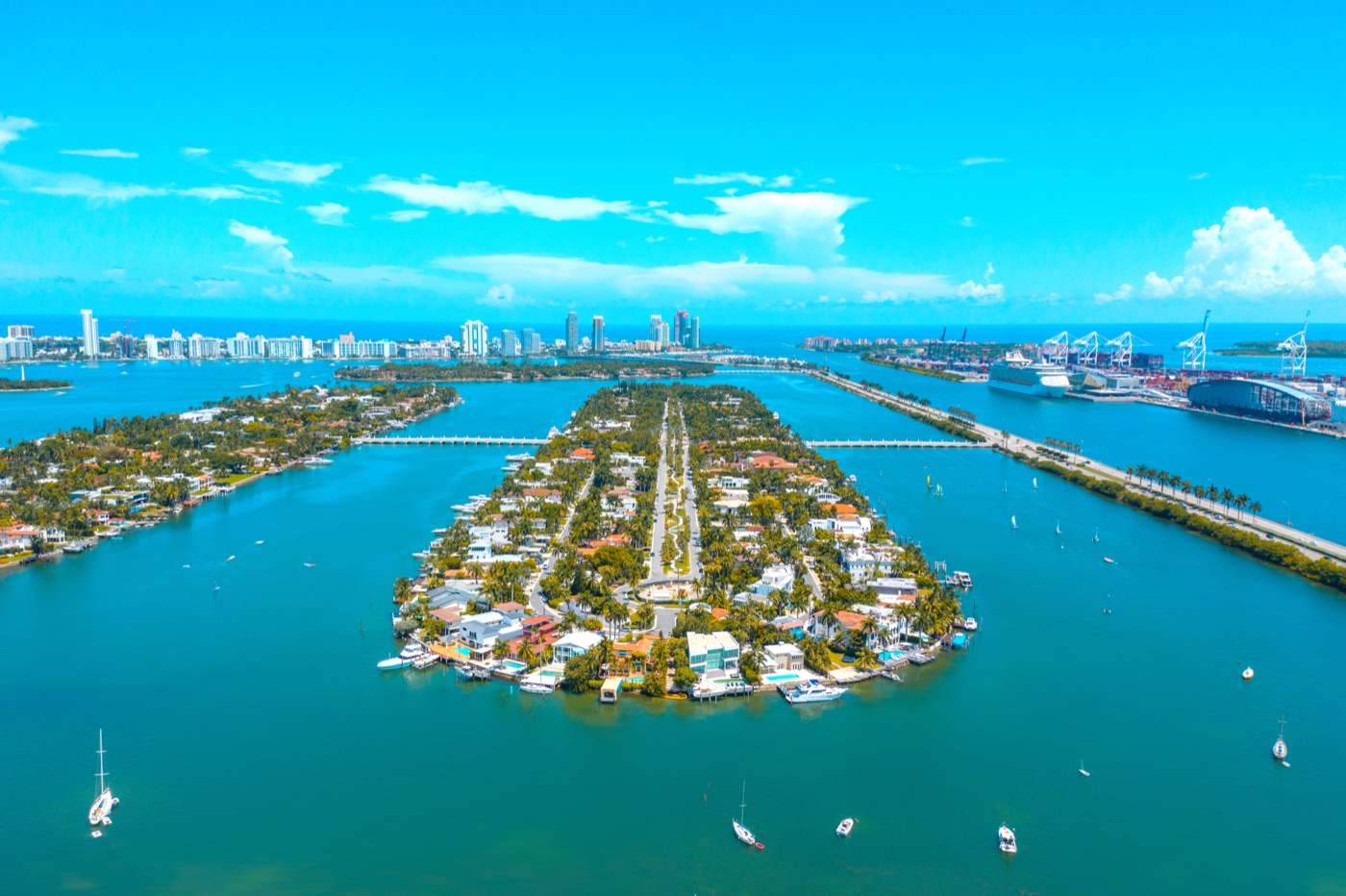
Every year, I watch the Miami real estate market shift gears in late November and stay in high gear straight through March. Winter is not a slow season here. It is arguably the most competitive window of the year for luxury condos, particularly in neighborhoods like Brickell, Edgewater, Miami Beach, Sunny Isles Beach, and Bal Harbour. Snowbirds arrive, international buyers fly in, and relocation executives start serious searches before Q1 earnings season gets too hectic. If you are planning to buy or sell a luxury condo in Miami this winter, the timing creates real opportunities, but only if you understand how the market actually behaves.
I have been working with buyers and sellers in South Florida for years, and the pattern is consistent. Serious cash buyers from New York, Chicago, Canada, and Latin America concentrate their property tours between late November and early February. That means sellers who are properly prepared can see strong offers in a compressed time frame, while buyers who show up without a clear strategy often lose units to competing offers or end up overpaying because they did not do enough homework before touring.
In this post I will walk you through the specific dynamics of the Miami luxury condo winter market, what price ranges look like right now in the key neighborhoods, and how both buyers and sellers can position themselves to come out ahead. Whether you are looking at a two-bedroom in Brickell for $1.2 million or a penthouse in Sunny Isles closer to $8 million, the same core principles apply. And if you want to talk through your specific situation, call me directly at (954) 833-0020. Hablamos Espanol.
Ready to Buy or Sell This Winter Season?
I work with buyers and sellers across Miami's luxury condo market every day. Hablamos Espanol. Call (954) 833-0020 to talk through your goals before the peak season gets any busier.
Call (954) 833-0020Why Winter Is Peak Season for Miami Luxury Real Estate
Miami does not follow the spring-peak pattern you see in most of the country. In cities like Boston or Denver, buyers wait for March and April when the snow melts and families want to move before the school year ends. Miami operates on a different calendar entirely. Our peak demand window starts in November, intensifies through January and February, and begins to cool off by late April when humidity climbs and the snowbird crowd heads home.
The reason is straightforward. The buyers who dominate the luxury segment above $1 million are not primarily local families planning around school calendars. They are second-home buyers from the Northeast and Midwest, international buyers from Brazil, Argentina, Colombia, Venezuela, Mexico, and Europe, and high-net-worth professionals relocating for tax and lifestyle reasons. All of these groups tend to visit Miami during winter months, and when they are here in person, they buy.
In my experience, a well-priced luxury unit in Brickell or Edgewater that hits the market in early December will generate more qualified showings in its first two weeks than a comparable unit listed in July. That is not an opinion. It reflects the rhythm of this market year after year. Sellers who understand this can time their listing for maximum exposure. Buyers who understand this know they need to move quickly and come prepared.
Explore on rangelyadames.com
Current Price Landscape by Neighborhood
Before developing any strategy, you need to understand what prices actually look like right now in the neighborhoods where most luxury condo activity is concentrated. I work across Miami-Dade and will give you honest ranges based on what I see in active listings and recent closings.
In Brickell, two-bedroom luxury condos in buildings like SLS Brickell, Brickell Flatiron, and Reach at Brickell City Centre are generally trading between $900,000 and $1.6 million depending on floor, finishes, and view. Three-bedroom units in the same buildings range from $1.4 million to $2.5 million. On the higher end, full-floor units and penthouses in Brickell push $4 million and above.
Miami Beach, specifically South Beach and Mid-Beach, shows a wider range. An updated two-bedroom in a well-maintained building on or near the water starts around $1.2 million. Oceanfront units in buildings like Continuum, Apogee, or Faena House typically start at $3 million and run well past $10 million for the best floor plans. Mid-Beach, including the Surfside and Bal Harbour corridor, has seen steady appreciation since 2021 and now commands some of the highest price-per-square-foot figures in all of Miami-Dade, often $2,000 to $3,500 per square foot for oceanfront.
Sunny Isles Beach remains attractive for buyers who want oceanfront living at a slight discount to Bal Harbour. Units in Porsche Design Tower, Turnberry Ocean Club, and Residences by Armani Casa are priced from $2 million for smaller two-bedrooms to $15 million and above for upper-floor penthouses. Edgewater has emerged as a strong value play for buyers who want new construction quality and Biscayne Bay views at prices starting around $700,000 for a one-bedroom and $1.1 million for a two-bedroom in buildings like Missoni Baia and Gran Paraiso.
What Sellers Should Do Before the Winter Rush
If you are selling a luxury condo this winter, preparation is everything. The buyers who tour high-end properties in Miami during peak season are experienced. Many of them have seen dozens of units across multiple cities. They walk into a unit and immediately form a price impression based on condition, finishes, and presentation. You want that first impression to work in your favor.
Start with the physical condition of the unit. Replace any dated light fixtures, repaint in a neutral warm white or light gray, and have the unit professionally deep cleaned and staged before photography. Luxury buyers expect a certain level of presentation, and units that look tired or over-personalized sit longer and attract lower offers. I have seen sellers leave $50,000 or more on the table simply because they did not invest $8,000 to $12,000 in staging and minor updates.
Equally important is having your documents ready before you go to market. For a condo sale, buyers will want to review the most recent HOA financials, reserve fund balance, any pending special assessments, the condo rules and regulations, and the building's insurance certificate. In Miami, buyers are increasingly cautious about building financial health following the Surfside tragedy in 2021 and the subsequent state legislation requiring milestone inspections and reserve funding for older buildings. If your building has a current milestone inspection report and a fully funded reserve, make that information easy to find. It is a genuine selling point.
Pricing strategy in winter also matters more than most sellers expect. Luxury buyers in Miami are sophisticated and they do their research. Overpricing by even 8 to 10 percent will result in the unit sitting past the peak window, which then requires a price reduction that signals weakness. I always advise sellers to price sharply at market value from day one in November or December so the listing generates momentum during the busiest showing months.
What Buyers Should Know Before Touring This Winter
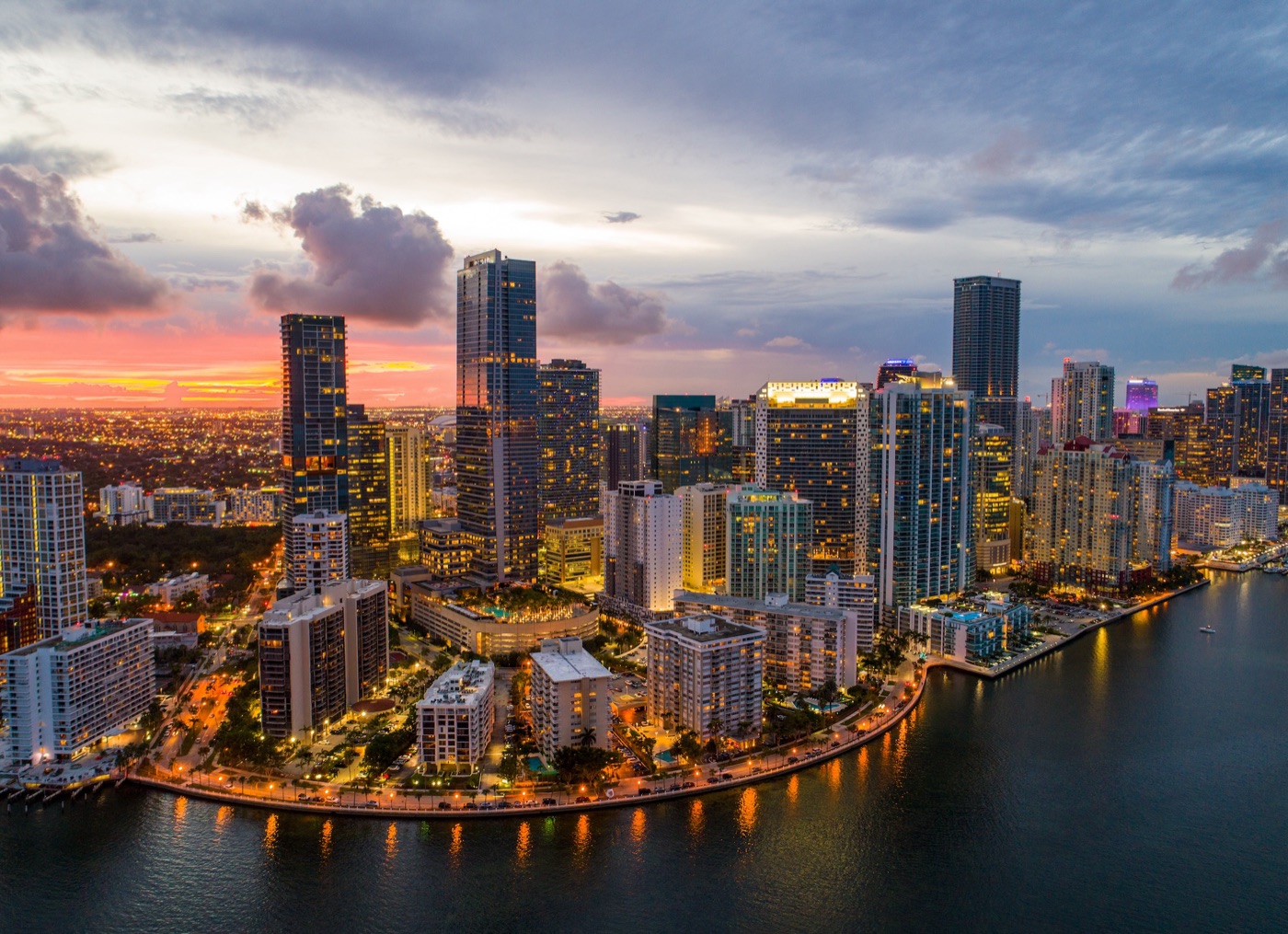
If you are a buyer planning to tour Miami luxury condos this winter, there are several things I want you to understand before you step into your first showing. Coming in without preparation is the fastest way to either overpay or miss the right unit entirely.
First, get your financing or proof of funds in order before you arrive. In the luxury segment above $1.5 million, a large share of transactions are cash. Even if you are financing, having a fully underwritten pre-approval from a reputable lender will put you in a much stronger position when you make an offer. Sellers in this price range will not take a contingent offer seriously if you cannot demonstrate financial strength upfront.
Second, know which buildings you are willing to consider and which you are not before you start touring. Miami has hundreds of condo buildings, and not all of them are created equal. Some older buildings in Miami Beach are navigating costly 40-year recertification processes and have large special assessments pending. Some buildings have very restrictive rental policies that matter enormously if you ever want to rent the unit. Do your building-level homework first, then tour.
Third, understand that good units at fair prices move fast in winter. When I work with buyers during peak season, I often see correctly priced units receive multiple offers within 10 to 14 days of listing. If you tour something on a Tuesday and love it, waiting until Friday to decide can cost you the unit. Be ready to act, which means having your attorney contact information ready, your proof of funds or pre-approval letter at hand, and a clear sense of your walk-away price before you walk in the door.
Key Due Diligence Items for Winter Condo Purchases
Due diligence in Miami condo purchases is not something to rush through, even in a competitive market. I always tell my buyers that the speed of your offer is separate from the thoroughness of your inspection period. Here are the items I walk every buyer through before we close.
Review the HOA financials carefully. You want to see at least 10 percent of annual operating budget held in reserves, though buildings in good financial health will have more. Ask specifically about any pending or recently passed special assessments. A $25,000 special assessment that hits six months after you close is not something you want to discover after the fact.
Confirm the building's insurance situation. Post-Surfside, Florida passed SB 4D, which requires buildings of three stories or more that are 30 years old or older to complete milestone structural inspections. Buildings that cannot demonstrate compliance are facing issues with insurance renewals and financing. Make sure the building you are buying into has completed its required inspections and that its master insurance policy is current.
Check the rental restrictions. Many luxury buildings in Miami allow rentals but with minimum lease terms of 30 days, 90 days, or one year. Some buildings allow short-term rentals through platforms like Airbnb and others strictly prohibit them. This matters whether you plan to rent the unit yourself or you want to preserve future resale value, because rental flexibility is a major factor for many buyers.
Get a licensed inspector to evaluate the unit itself, not just the building. Check for water intrusion around windows and the balcony door, the condition of the HVAC system, the age of the water heater, and any evidence of moisture in the bathrooms. Miami's humidity is hard on building systems and a thorough inspection is worth every dollar of the $400 to $600 it typically costs.
A quick checklist of the documents I request for every luxury condo purchase:
- Most recent 2 years of HOA financial statements and operating budget
- Current reserve fund balance and reserve study
- Documentation of any pending or upcoming special assessments
- Building master insurance certificate and flood insurance policy
- Milestone inspection report (required for buildings 30 plus years old)
- Condo rules and regulations including rental restriction policy
- Board meeting minutes from the past 12 months
- Copy of the declaration of condominium
- Any open or recent building violations or code enforcement actions
- Estoppel letter from the association confirming current dues and status
Negotiating in a Winter Seller's Market
Winter in Miami generally favors sellers in the luxury segment, but that does not mean buyers have no leverage. It means you need to be smarter about where and how you negotiate rather than simply making low offers and hoping for a counteroffer.
In my experience, the most effective negotiation in a competitive winter market focuses on terms rather than just price. If you can offer a fast close, meaning 30 days rather than 60 or 90, that has real value to a motivated seller. If you can close with minimal contingencies because your financing is solid or you are paying cash, that also shifts the dynamic in your favor. Sellers in this price range are often not in financial distress. They are weighing multiple factors including certainty, timing, and ease of transaction. A clean offer at 96 percent of asking price can beat a higher offer that is loaded with contingencies and a 90-day closing timeline.
For sellers, the negotiation strategy in winter is about holding firm early and understanding which concessions actually cost you money versus which ones do not. Closing cost contributions, appliance credits, and furniture inclusion are often easier to give than a straight price reduction because they may have different tax and reporting implications and they preserve your stated sale price. I work through these scenarios with my sellers before we ever receive an offer so they are not making reactive decisions under pressure.
If you want guidance specific to your unit or your search, reach out directly. I am happy to spend time understanding your goals and giving you an honest assessment of what the current market means for your situation. Call (954) 833-0020 and we can talk through the details.
Pre-Construction Opportunities in the Winter Window
Winter is also an active season for pre-construction sales in Miami. Developers know that peak foot traffic from buyers is concentrated in these months, so many projects launch sales campaigns or release new inventory phases specifically to capture winter buyers. If you are open to pre-construction, this time of year often means access to the best unit selections and sometimes incentives that disappear once a project is further along in its sales process.
Right now there are active pre-construction projects in Edgewater, Brickell, Coconut Grove, and along the Sunny Isles corridor. Typical deposit structures for luxury pre-construction in Miami range from 30 to 50 percent of the purchase price paid in installments over the construction period, with no financing required until closing. For international buyers, this structure can be particularly attractive because it allows capital to be deployed gradually while the building is constructed.
The risk with pre-construction is real and I want buyers to understand it clearly. Construction timelines slip, sometimes by a year or more. Developer agreements are heavily weighted toward the developer. If the project is delayed or market conditions shift, you may face a closing on a unit that is worth less than you contracted for, or you may need to arrange financing in a different rate environment than today. I always recommend having a Miami-based real estate attorney review the purchase and sale agreement before you sign anything on a pre-construction deal. The cost of that review, typically $1,500 to $2,500, is minimal compared to the risk of misunderstanding what you have agreed to.
That said, for the right buyer in the right project, pre-construction in Miami has historically been a strong wealth-building strategy. Units in buildings like Brickell Flatiron and Missoni Baia were sold at prices significantly below where they traded at completion. The key is selecting the right project, in the right location, with a developer who has a track record of delivering.
Serving Latin American Buyers and Sellers in Miami
A large portion of the clients I work with in the Miami luxury market come from Latin America. Buyers from Colombia, Venezuela, Argentina, Brazil, Mexico, and throughout Central America have long recognized Miami as a natural home for their real estate investments, and that activity continues to be strong in 2026. Miami offers a combination of legal protections, currency stability, lifestyle, and geographic proximity that no other U.S. market can match for Latin American buyers.
For international buyers navigating the Miami luxury condo market, there are specific considerations that go beyond what a domestic buyer faces. FIRPTA withholding applies when foreign sellers eventually sell U.S. real estate. Financing options are more limited for non-resident buyers, with many lenders requiring 40 to 50 percent down payments and charging higher rates than they would for U.S. citizens or permanent residents. Property taxes for non-homesteaded properties in Miami-Dade run approximately 2 percent of assessed value annually, and assessed value can increase to reflect market value upon sale.
I guide my Latin American clients through all of these details in Spanish and in English, and I coordinate with the attorneys, lenders, and title companies who specialize in international transactions. If you are coming from outside the United States and you want someone who understands your specific situation, I am here. Hablamos Espanol. Call me at (954) 833-0020 and we will figure out the right path forward together.
Let's Make Your Winter Move in Miami
Whether you are buying your first Miami condo, selling an investment property, or exploring pre-construction options, I am ready to help you navigate this market with confidence. Call (954) 833-0020 today.
Related Articles
September 28, 2026 · 10 min read
Argentine Buyers Guide to Miami Real Estate: Process, Financing Themes, and Neighborhood Fit (2026)
Buying Miami real estate from Argentina is workable when you separate what your agent coordinates from what your attorney, CPA, and lender decide. This support guide walks through the process, financing themes, remote closing, and neighborhood fit, then points you to the Argentina foreign-buyer hub for next steps.
Read article →February 2026 · 9 min read
Aventura Real Estate Guide: Condos, Schools & Lifestyle (2026)
Luxury high-rises, top-rated schools, and the Aventura Mall — why families and investors love this North Miami suburb.
Read article →February 2026 · 9 min read
Airbnb Investment Properties in Miami: Rules, ROI & Best Areas
Short-term rental regulations, income projections, and the best Miami neighborhoods for Airbnb investing.
Read article →