Miami Pre-Construction Deposit Structures Explained (2026)
By Rangely Adames • June 2026 • 11 min read
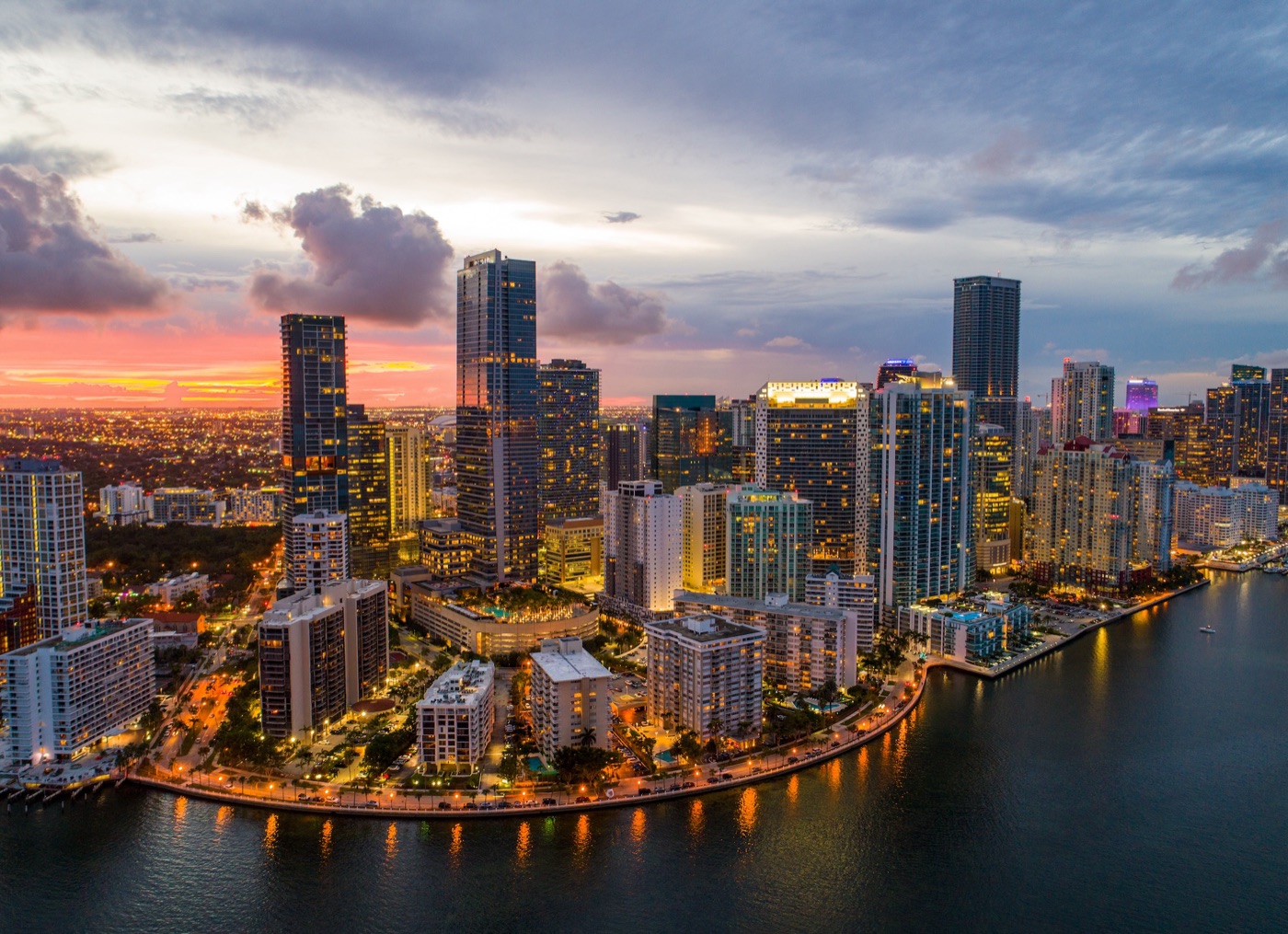
One of the first things I tell every buyer who comes to me excited about a new Miami tower is this: pre-construction is not like buying a resale. When you purchase a finished condo in Brickell or Edgewater, you hand over your money, you get the keys, and the transaction closes in 30 to 60 days. Pre-construction asks you to do something very different. You commit hundreds of thousands of dollars, sometimes more, over a period of two to four years before you ever set foot inside the finished unit. Understanding exactly how that money flows is not optional. It is the difference between a smart investment and a costly mistake.
In my experience working with buyers from across Latin America, New York, and right here in South Florida, the deposit structure question comes up at every single pre-construction conversation. People want to know how much they need up front, when the next payment is due, whether their money is protected if the developer goes under, and whether they can get out if their circumstances change. These are exactly the right questions, and I am going to answer all of them in detail.
Miami has one of the most active pre-construction markets in the country. Right now you can find new towers rising in Brickell, Edgewater, Wynwood, Midtown, Sunny Isles Beach, and Aventura. The prices range from about $600,000 for a one-bedroom in an emerging corridor to well over $5 million for a penthouse in a flagship tower. No matter what your budget is, the underlying deposit mechanics work largely the same way, with some important variations I will walk you through here.
Have Questions About a Specific Project?
I review pre-construction contracts and deposit schedules for buyers every week. Call me at (954) 833-0020 for a no-pressure conversation about any Miami project you are considering. Hablamos Espanol.
Call (954) 833-0020How the Typical Miami Pre-Construction Deposit Schedule Works
Most Miami pre-construction condo contracts follow what the industry calls a tiered or staged deposit schedule. Rather than paying 20 percent all at once, buyers pay their total deposit in installments tied to construction milestones. The most common structure I see from major developers looks like this: 10 percent at contract signing, 10 percent when the building permit is pulled or construction begins, 10 percent when the structure reaches a certain floor, and the final 10 percent at closing. That adds up to 40 percent down before closing, with the remaining 60 percent financed or paid in cash at the time of closing.
Some developers in the ultra-luxury segment, think Brickell, Coconut Grove waterfront, or Fisher Island adjacent projects, ask for even more. I have reviewed contracts requiring 50 percent in deposits over four milestone stages. On a $3 million unit, that means $1.5 million committed before you ever receive a key. Other developers, particularly those targeting international buyers or first-timers, structure deals at 30 percent total deposits with payments spread across three stages.
The exact schedule is always spelled out in the Purchase and Sale Agreement, which in Florida is governed by the Condominium Act under Chapter 718 of the Florida Statutes. Before you sign anything, your real estate attorney needs to review that document. I always recommend buyers hire their own attorney, not the one the developer provides, because the developer's attorney represents the developer's interests.
Explore on rangelyadames.com
Florida Escrow Rules and How They Protect Your Deposits
Florida law provides some important protections that many buyers, especially those coming from other countries, do not know about. Under Chapter 718, developers are required to place all buyer deposits into an escrow account held by a third party, typically a Florida-licensed title company or an attorney. The developer cannot touch that money to fund construction. It stays in escrow until closing.
There is a caveat. Developers can apply for what is called an escrow waiver or a blanket surety bond instead of holding funds in escrow. If a developer has obtained a surety bond, your deposits are still protected, but the protection mechanism is different. The bond acts as an insurance policy that would cover your deposit if the developer defaults. I always verify which protection is in place before a client signs, because the details matter.
In my experience, the large institutional developers behind major Brickell and Sunny Isles towers almost always maintain proper escrow accounts and carry substantial bonding. The risk is higher with smaller or newer developers who may have less experience navigating Florida's regulatory environment. Checking a developer's track record, meaning how many projects they have completed, how those closings went, and whether buyers received their deposits back in any cancelled projects, is something I research for every client.
What Happens to Your Deposit if the Project is Cancelled
This is the question I get most often from international clients, and for good reason. If a Miami pre-construction project does not move forward, Florida law generally requires the developer to return all escrowed deposits to buyers, with interest. The interest earned while your money sits in escrow is typically paid to you at the time of cancellation or closing, depending on the contract terms.
The key phrase there is 'generally requires.' If the developer obtained a surety bond instead of maintaining a traditional escrow account, recovering your money may require filing a claim against the bond and, in some cases, pursuing litigation. This is why I stress reading the Purchase and Sale Agreement closely. Look for the words 'escrow account' and verify that a reputable escrow agent is named in the contract.
A cancelled project is not as rare as buyers hope. Miami saw several cancellations during the 2007 to 2009 downturn, and while the market is in a much stronger position today, economic shifts can still affect developer financing. Projects in early pre-sales, before they have hit the presale threshold needed to secure construction financing, carry more cancellation risk than those that have already broken ground. If a developer is still trying to sell 50 percent of a building, they may not yet have the bank loan committed to build it.
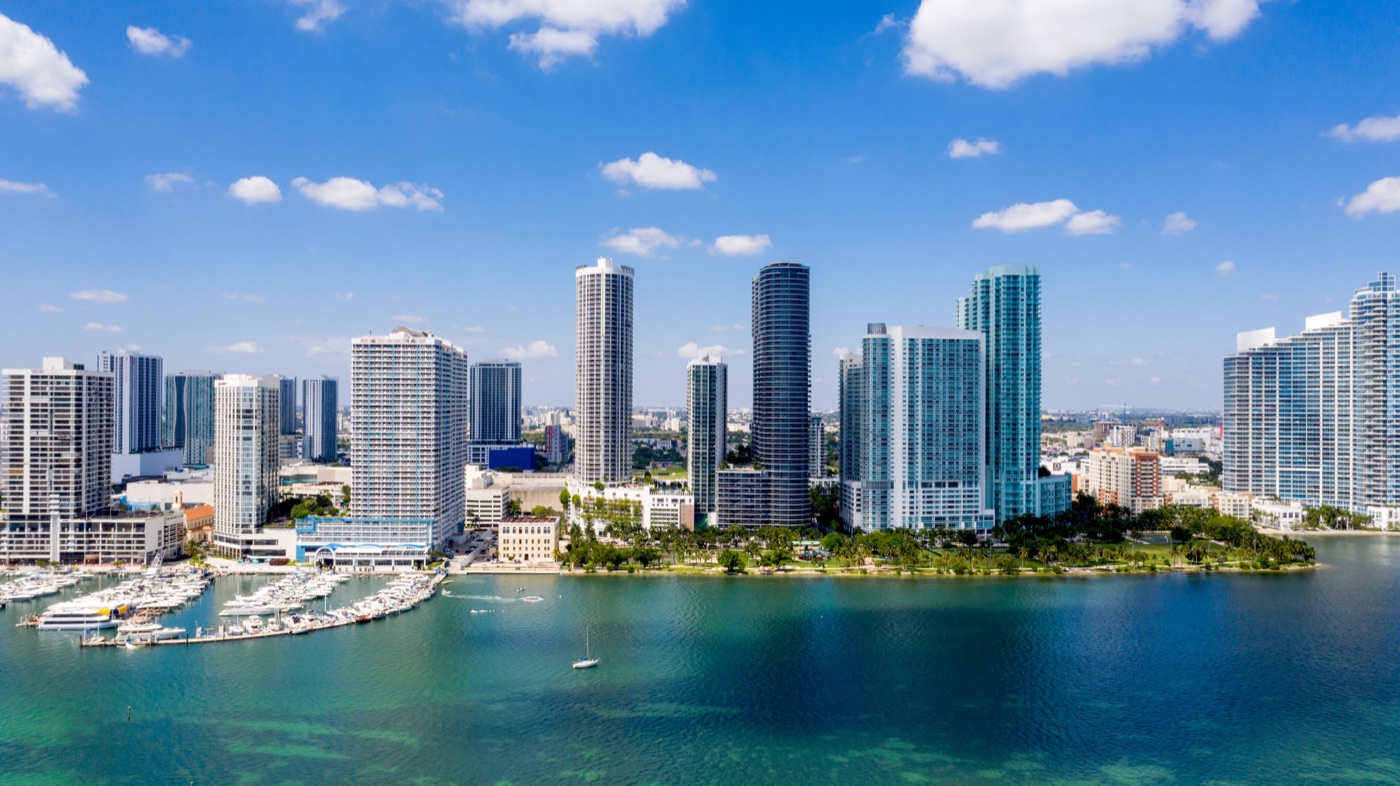
Can You Exit a Pre-Construction Contract Early
In most cases, the answer is no, not without losing your deposits. Pre-construction contracts in Miami are heavily weighted in favor of the developer. Once you sign and the rescission period expires, you are generally locked in. Florida law gives buyers a 15-day rescission period from the date you receive the completed Purchase and Sale Agreement with all exhibits. After those 15 days, exiting the contract almost always means forfeiting your deposits.
There are exceptions. Some contracts include what are called material change clauses, which allow buyers to exit if the developer significantly alters the building plans, unit size, or finishes from what was represented. Courts have interpreted these provisions differently over the years, and the language in the contract matters enormously. I have also seen situations where developers, facing slow presales in a shifting market, quietly negotiate exits with buyers to avoid defaults. But this is at the developer's discretion, not a buyer right.
The practical reality is that many buyers who want to exit early end up attempting to assign or sell their contract to another buyer. Contract assignments are allowed in some Miami pre-construction deals but prohibited in others. Developers who restrict assignments do so because they do not want buyers flipping contracts before the building is complete, which can create pricing complications. If the ability to assign is important to your strategy, verify that language before you sign.
Pre-Construction Financing and What Buyers Need to Plan For
Here is something that surprises buyers who are accustomed to traditional mortgage processes. Most Miami pre-construction purchases do not involve a traditional mortgage until the building is complete and closes. During the construction period, you are funding those deposit stages with cash, a wire transfer, or in some cases a bridge loan or home equity line from a property you already own.
When the building is finally complete and ready to close, that is when you apply for a mortgage, assuming you are financing the balance. At that point, you will need to qualify based on current interest rates and lending guidelines, which may be very different from what they were when you signed the contract two or three years earlier. Buyers who locked in a contract in 2022 at a certain rate expectation faced a very different financing environment at closing. This is a real risk you need to plan for.
International buyers face an additional layer of complexity. Foreign national mortgage programs in Miami typically require 30 to 40 percent down and carry higher rates than conventional loans. On a $2 million unit where a buyer has already deposited 40 percent, the math can still work out well. But if you are budgeting based on a 20 percent down conventional loan and you are not a U.S. citizen or permanent resident, your assumptions need to be revised. I work regularly with international clients from Venezuela, Colombia, Brazil, and Argentina who navigate this process every year, and getting the financing structure right from the beginning saves enormous headaches.
Comparing Deposit Structures Across Miami Markets
Not every Miami neighborhood plays by the same rules when it comes to deposit expectations. Here is how I see the current landscape across the key markets I work in.
Brickell is the flagship market for pre-construction in Miami. Developers here, including major names behind towers like One Brickell City Centre, Baccarat Residences, and upcoming projects along Brickell Avenue, typically require 40 to 50 percent in staged deposits. Prices range from roughly $900,000 for a one-bedroom to $8 million and above for penthouse floors. The projects are well-capitalized and the escrow protections are generally solid, but the deposit commitment is significant.
Edgewater and Midtown attract a somewhat different buyer profile, and deposits often run 30 to 40 percent. Unit prices here are more accessible, typically $600,000 to $2.5 million, and the buildings tend to attract a mix of end users and investors. Sunny Isles Beach is another strong pre-construction corridor, and developers there, many of whom cater heavily to international buyers, often structure deposits with more flexibility to accommodate foreign national cash flows. Aventura and the Biscayne corridor have seen new towers announced regularly, and deposit schedules tend to mirror the Edgewater model.
Here is a quick summary of what buyers should confirm before signing any Miami pre-construction contract:
- Verify that deposits are held in a Florida-licensed escrow account with a named third-party escrow agent
- Confirm the total deposit percentage and the exact milestone triggers for each payment stage
- Review the 15-day rescission period and calendar the deadline from the day you receive the complete agreement
- Check whether contract assignments are permitted and under what conditions
- Research the developer's completed project history and whether any prior projects were cancelled
- Understand your financing plan for the final balance at closing, including rate risk if you are financing
- Hire your own real estate attorney, not the developer's preferred counsel
- Ask your agent about current presale percentages to gauge how close the project is to securing construction financing
The Real Upside: Why Buyers Still Choose Pre-Construction
After everything I have described, you might wonder why anyone buys pre-construction. The answer is straightforward: price appreciation during the construction period. When you sign a contract today on a Brickell tower scheduled to close in 2028, you are locking in today's price. If that building appreciates 15 to 25 percent between contract signing and closing, which has happened in multiple cycles in Miami, you have captured significant equity before you ever move in.
Pre-construction also gives buyers access to the best unit selections. When a building launches sales, the first buyers choose the highest floors, the best views, the corner units. By the time a building is topped off and approaching completion, those premium units are gone or they are reselling at premiums of $100,000 to $300,000 above original contract prices. Getting in early, if you have done your due diligence, is where the real advantage lives.
For investors, pre-construction makes particular sense in Miami because the rental market remains extremely strong. A two-bedroom in Brickell rents for $4,500 to $6,500 per month depending on the building and floor. A two-bedroom in Edgewater or Midtown rents for $3,800 to $5,500. If you buy at today's contract price, hold through construction, and come out with a unit worth more than you paid, you then drop it into a rental market that generates meaningful monthly income. That combination of appreciation plus income is what keeps drawing investors to Miami's pre-construction pipeline.
Working with the Right Agent Makes All the Difference
I want to be honest about something. Walking into a developer's sales office without your own agent does not save you money. The developer has already built the commission into the price. What it does cost you is professional representation. Developer sales agents work for the developer. Their job is to close the sale. My job, when I represent a buyer, is to protect that buyer's interests.
That means reviewing the deposit schedule and escrow terms before you sign. It means researching the developer's history and current presale status. It means helping you understand what comparable completed units are selling for today so you can evaluate whether the pre-construction price makes sense. And it means being honest with you when a project looks risky, even if that means you do not buy anything that day.
I work with buyers who speak English and buyers who are most comfortable in Spanish. Hablamos Espanol. Many of my clients from Colombia, Venezuela, Mexico, and Argentina are navigating the Miami market from abroad, and walking into a pre-construction purchase without a trusted advisor who speaks your language and understands both the market and the legal landscape is a real vulnerability. If you are considering a pre-construction purchase anywhere in Miami, Brickell, Edgewater, Wynwood, Sunny Isles, or anywhere in between, I would love to talk through the specifics with you. Call me at (954) 833-0020 and let's look at the numbers together.
Ready to Buy Pre-Construction in Miami?
Whether you are looking at a tower in Brickell, a boutique building in Edgewater, or a luxury project in Sunny Isles, I can help you evaluate the deal, protect your deposit, and make a smart decision. Call (954) 833-0020 today.
Related Articles
February 2026 · 9 min read
Aventura Real Estate Guide: Condos, Schools & Lifestyle (2026)
Luxury high-rises, top-rated schools, and the Aventura Mall — why families and investors love this North Miami suburb.
Read article →February 2026 · 9 min read
Airbnb Investment Properties in Miami: Rules, ROI & Best Areas
Short-term rental regulations, income projections, and the best Miami neighborhoods for Airbnb investing.
Read article →July 2026 · 10 min read
Bay Harbor Islands Real Estate Guide: Homes, Condos & Market (2026)
Waterfront homes with private docks, boutique condos, and a top-rated K-8 school make Bay Harbor Islands one of Miami's best-kept secrets. A bilingual 2026 buyer guide with prices and consejos para compradores. Hablamos Espanol.
Read article →