Miami Condo HOA Fees Explained: What Buyers Need to Know
By Rangely Adames, Sunland Group • July 2026 • 10 min read
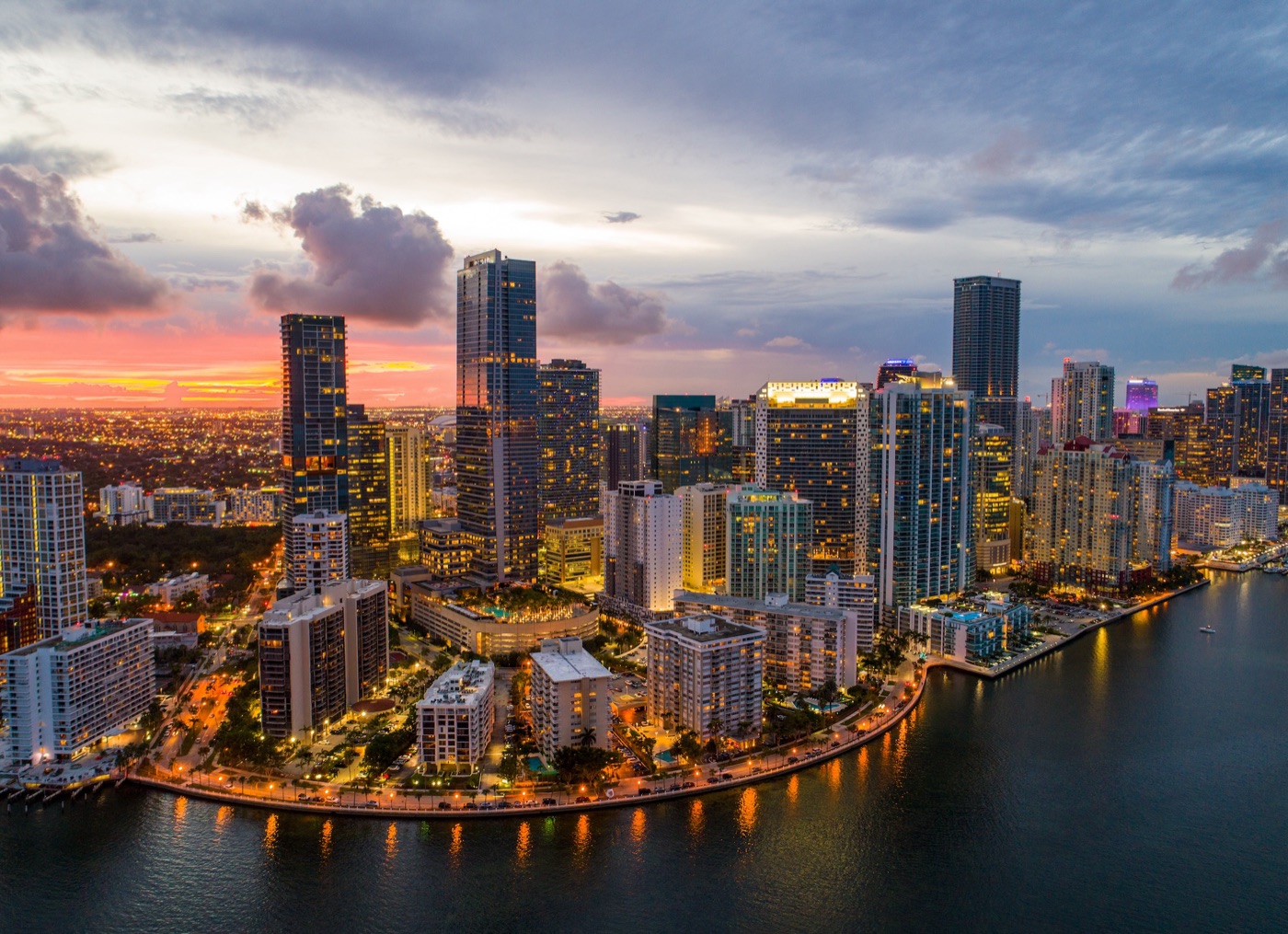
When buyers ask me what surprised them most about owning a condo in Miami, the answer is almost always the same: the HOA fees. Also called maintenance fees or association fees, these monthly charges are one of the biggest ongoing costs of condo ownership, and in some buildings they rival a small second mortgage. Yet many buyers do not fully understand what the fee covers, why it varies so much building to building, or how to tell whether the number they are quoted is a fair one. This guide breaks it all down so you can shop with your eyes open. Comprender las cuotas de mantenimiento antes de comprar te ahorra miles de dolares y muchos dolores de cabeza.
What Are HOA Fees, Exactly?
When you buy a condo, you are buying two things: your individual unit, and a share of everything the building owns in common, the lobby, elevators, roof, pool, hallways, parking garage, and the land itself. The Homeowners Association (HOA), technically a condominium association in Florida, is the legal entity that maintains all of that shared property. Your monthly fee is your slice of the cost to run it.
The fee is not optional, it is not negotiable at closing, and it can go up over time. It is set each year by the association's board when they approve the annual budget, and your share is usually based on your unit's square footage relative to the whole building. A larger unit pays a larger fee, even for the same amenities.
What Do Miami HOA Fees Actually Cover?
This is where Miami condos often deliver more value than buyers expect. In most buildings, the monthly fee bundles in services that a single-family homeowner would pay for separately. A typical Miami condo HOA fee covers:
Building insurance: The master policy on the structure. This has become one of the largest line items in Florida, where property insurance costs have soared.
Water, sewer, and trash: In most buildings these are included, so you rarely get a separate utility bill for them.
Amenities and common areas: Pool, gym, spa, lobby, elevators, hallways, landscaping, and garage upkeep.
Staff and security: 24-hour front desk, valet, security, and building management salaries.
Reserves: Money set aside for future major repairs, the roof, waterproofing, elevators, and structural work. Since 2024, Florida law requires most associations to fund these reserves properly.
Ready to find your Miami home?
Rangely Adames has helped hundreds of buyers find the perfect property in Miami. Call for a free consultation — Hablamos Español.
Call (954) 833-0020What is usually not covered: your electricity, your interior (walls-in) insurance, cable and internet in most buildings, and anything inside your own unit. Always confirm the exact inclusions in writing, because a $900 fee that covers water, insurance, and cable can be a better deal than a $700 fee that covers almost nothing. Consejo: pide siempre la lista exacta de lo que incluye la cuota, no asumas nada.
Explore on rangelyadames.com
Average Miami Condo HOA Fees by Area (2026)
Fees vary enormously, so treat these as ranges, not guarantees. In Miami we usually talk about fees in dollars per square foot per month, which lets you compare a studio to a penthouse fairly. As a rough guide for 2026:
Older mid-rises (Kendall, Westchester, parts of Hialeah): roughly $0.55 to $0.80 per square foot, so about $400 to $700 per month for a typical two-bedroom.
Brickell and Downtown high-rises: roughly $0.80 to $1.20 per square foot, often $700 to $1,400 per month, reflecting full amenities and staff.
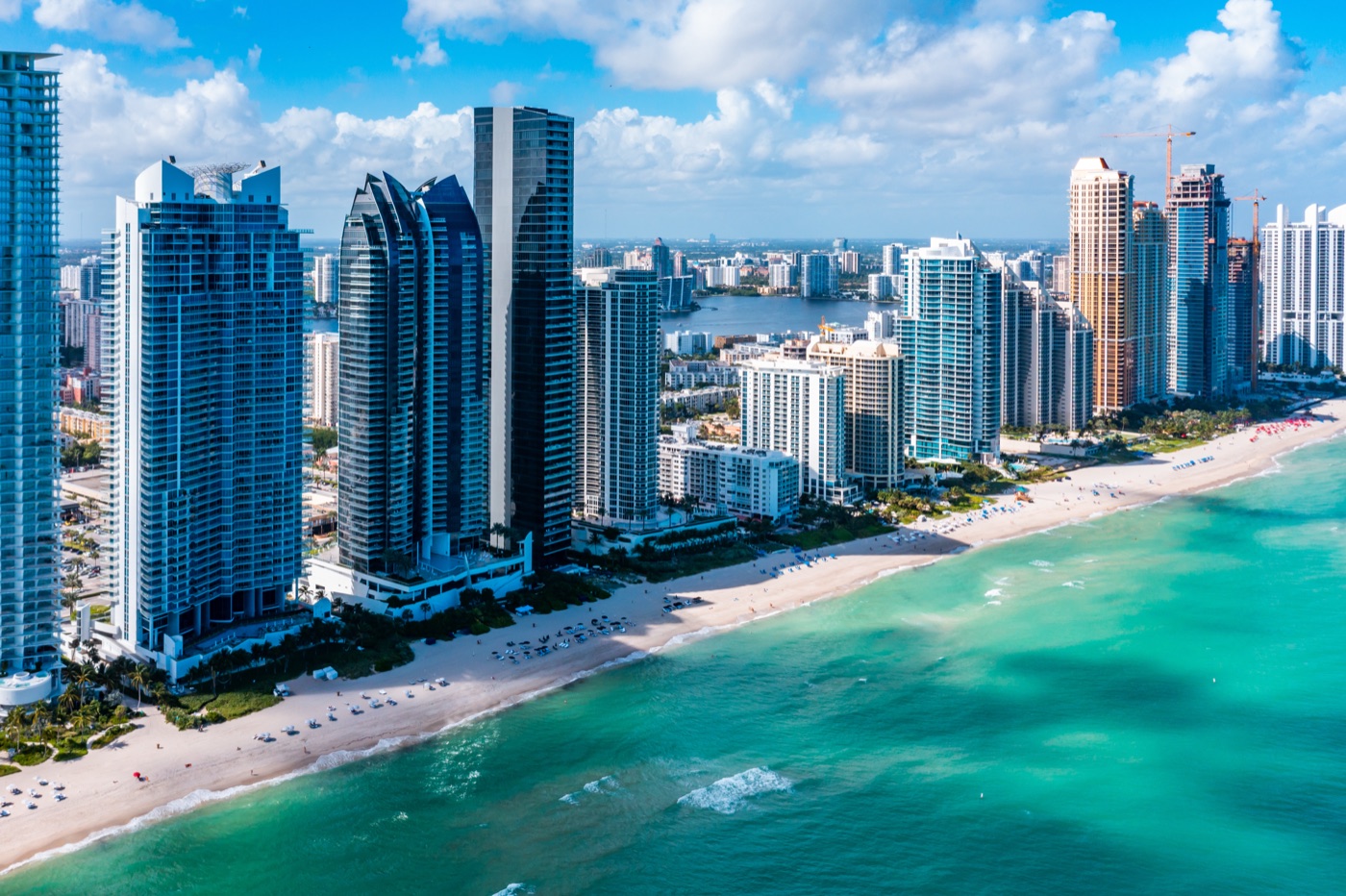
Luxury and waterfront buildings (Sunny Isles, South Beach, Bal Harbour, Edgewater): $1.20 to $2.00-plus per square foot, so $1,500 to well over $3,000 per month in trophy towers with private beaches, concierge, and valet.
A helpful sanity check: divide the annual fee by what the same services would cost you separately in a house, insurance, lawn care, pool service, security, water. In an amenity-rich building, the fee is often more reasonable than the sticker shock suggests. For a fuller picture of ongoing costs, see our guide to condo maintenance fees and our condo vs. house comparison.
Why Miami HOA Fees Are Rising
If you have noticed fees climbing across Miami, you are not imagining it. Three forces are pushing them up. First, Florida's property insurance crisis has dramatically increased the cost of the master policy every building carries. Second, after the 2021 Champlain Towers collapse in Surfside, state law now requires older buildings to complete milestone structural inspections and fully fund their reserves, associations can no longer vote to skip reserve contributions for critical components. Third, general inflation in labor, materials, and utilities hits shared buildings just like everything else.
For buyers, this has a silver lining. Buildings that have already completed their inspections and funded their reserves are far more stable, and their fees, though higher, are honest. The riskier purchase is a building with suspiciously low fees, because that often means deferred maintenance and a special assessment waiting around the corner. Learn how the law works in our condo reserve funds guide and building recertification guide.
HOA Fees vs. Special Assessments
Do not confuse the two. Your HOA fee is the predictable monthly charge. A special assessment is a one-time (sometimes multi-year) charge the board levies when a big-ticket repair exceeds the budget and reserves, a new roof, concrete restoration, or a garage rebuild. In Miami, post-Surfside assessments have ranged from a few thousand dollars to $50,000 or more per unit in older coastal buildings.
Before you buy, always ask three questions: Has any special assessment been levied recently? Is one pending or being discussed? And what do the last two years of board meeting minutes reveal about upcoming projects? Ready to dig into a specific building's numbers? Contact Rangely or call (954) 833-0020 — Hablamos Español.
How to Read an Association's Financial Health
A low fee is not automatically good, and a high fee is not automatically bad. What matters is whether the association is financially healthy. During your due diligence period, request and review these documents:
The annual budget:Is the fee realistic for the building's age and amenities, or artificially low to keep sellers happy?
The reserve study and reserve balance: A well-funded reserve is your protection against surprise assessments. An empty reserve is a warning sign.
Board meeting minutes: The most honest document in the packet. This is where you learn what is really coming.
The estoppel certificate: An official statement of what the seller owes the association and whether any assessments are outstanding.
In Florida, the seller must provide these condo documents, and you have a statutory window to review them and cancel if you do not like what you find. Do not waive that right. If you are financing, remember that lenders also scrutinize the association, a building with weak finances or high investor ownership may not qualify for FHA or conventional loans, which affects both your purchase and future resale. See our mortgage pre-approval guide for more.
Consejos para Compradores (Tips for Buyers)
Antes de comprar un condominio en Miami, ten en cuenta estos consejos sobre las cuotas de mantenimiento (HOA fees):
Pregunta que incluye la cuota: No todas las cuotas cubren lo mismo. Una cuota mas alta que incluye seguro, agua y cable puede salir mas economica que una cuota baja que no incluye casi nada.
Revisa las reservas: Pide el estudio de reservas y el balance. Un edificio con reservas bien financiadas te protege de cobros especiales sorpresa.
Lee las actas de la junta: Ahi es donde se habla de futuras reparaciones y posibles assessments. Es el documento mas honesto del paquete.
Desconfia de cuotas demasiado bajas: Muchas veces significan mantenimiento aplazado y un cobro especial en camino.
Trabaja con una agente que hable tu idioma: Yo reviso los documentos financieros de la asociacion contigo, en espanol o ingles, para que sepas exactamente en que te estas metiendo.
The Bottom Line
HOA fees are not something to fear, they are something to understand. In Miami, a fair fee buys you insurance, utilities, security, and amenities you would otherwise juggle yourself, plus a reserve that protects your investment. The key is to look past the headline number and evaluate what the fee covers and how healthy the association is. Do that homework, and a condo can be one of the smartest, lowest-maintenance ways to own a piece of Miami. Browse live inventory on our MLS search page or explore new towers on our preconstruction page.
Resumen en Espanol
Las cuotas de mantenimiento (HOA fees) son uno de los costos mas importantes al comprar un condominio en Miami. Cubren el seguro del edificio, el agua, la basura, las amenidades, el personal y las reservas para reparaciones futuras. En 2026 varian desde unos $400 al mes en edificios mas antiguos hasta mas de $3,000 en torres de lujo frente al mar. Las cuotas estan subiendo por el aumento del seguro en Florida y las nuevas leyes despues de Surfside. Antes de comprar, revisa siempre el presupuesto, las reservas y las actas de la junta, y desconfia de cuotas demasiado bajas. Como tu agente bilingue, reviso todos estos documentos contigo para que compres con total confianza. Llama al (954) 833-0020, hablamos espanol.
Your Miami Real Estate Expert — Hablamos Español
Whether you're buying, selling, or investing in Miami real estate, Rangely Adames brings deep local expertise and personalized service. Free consultation, no pressure.
Related Articles
September 28, 2026 · 10 min read
Argentine Buyers Guide to Miami Real Estate: Process, Financing Themes, and Neighborhood Fit (2026)
Buying Miami real estate from Argentina is workable when you separate what your agent coordinates from what your attorney, CPA, and lender decide. This support guide walks through the process, financing themes, remote closing, and neighborhood fit, then points you to the Argentina foreign-buyer hub for next steps.
Read article →February 2026 · 9 min read
Aventura Real Estate Guide: Condos, Schools & Lifestyle (2026)
Luxury high-rises, top-rated schools, and the Aventura Mall — why families and investors love this North Miami suburb.
Read article →February 2026 · 9 min read
Airbnb Investment Properties in Miami: Rules, ROI & Best Areas
Short-term rental regulations, income projections, and the best Miami neighborhoods for Airbnb investing.
Read article →