South Florida HOA Laws Every Homeowner Should Know (2026)
By Rangely Adames • April 2026 • 10 min read
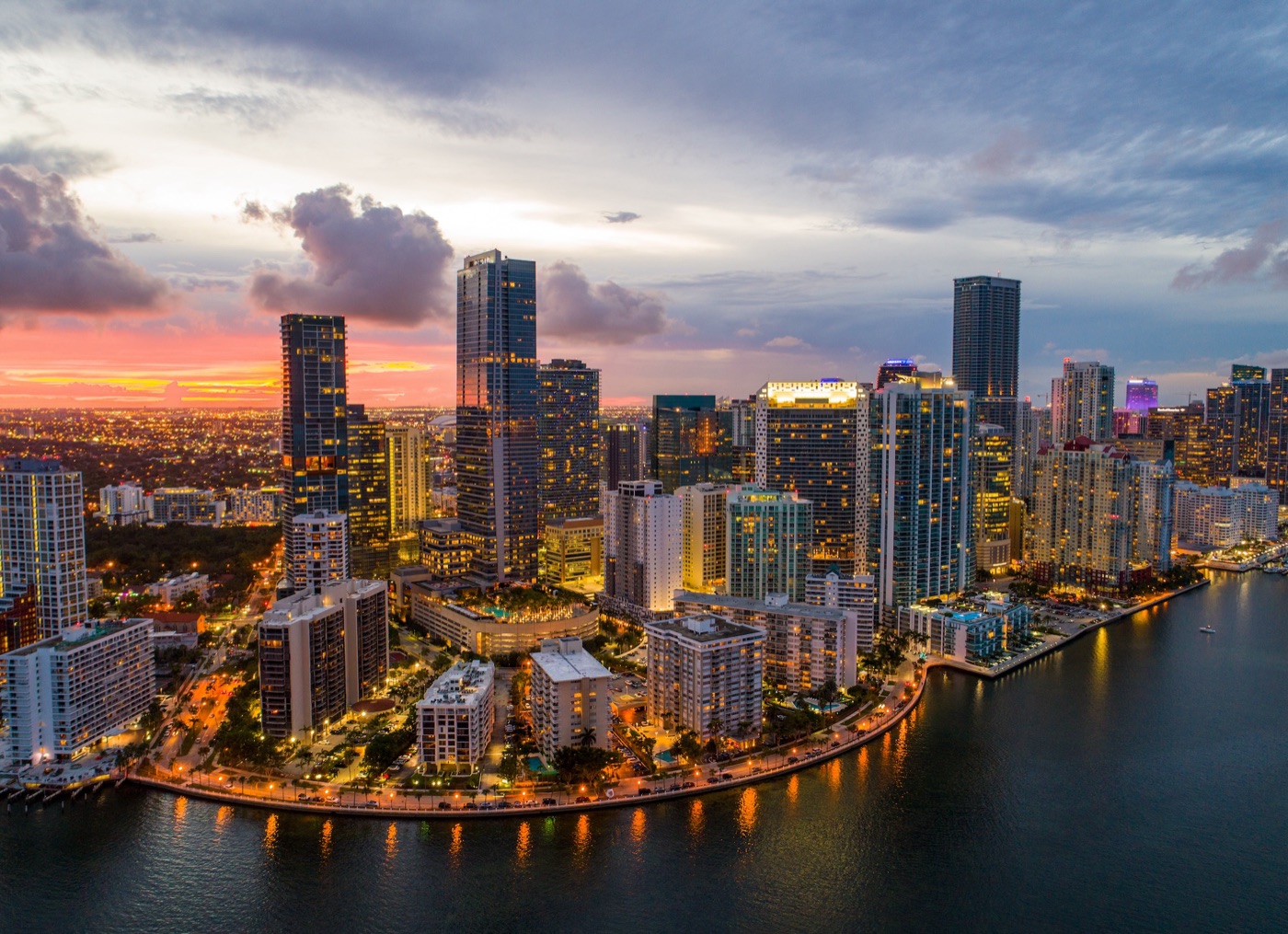
Whether you own a condo in Brickell, a townhouse in Doral, or a single-family home in a gated Coral Gables community, chances are you're subject to a homeowners association or condo association. HOA rules impact everything from your monthly budget to what color you can paint your front door. Understanding your rights under Florida law can save you money, stress, and unpleasant surprises. Here is what every South Florida homeowner needs to know heading into 2026.
HOA vs. Condo Association: Know the Difference
Florida governs HOAs and condo associations under different statutes. Homeowners associations for single-family and townhouse communities are covered by Florida Statute 720. Condominium associations fall under Florida Statute 718, also known as the Condominium Act. The rules overlap in many areas but differ in key details around reserves, insurance, and structural maintenance. If you're deciding between a condo and a house, our condo vs. house guide covers the practical lifestyle differences.
Explore on rangelyadames.com
Reserve Fund Requirements: The Big 2026 Change
Following the Surfside building collapse tragedy, Florida passed landmark legislation requiring condo and co-op associations to maintain fully funded reserves for structural components. Starting in 2025, associations can no longer vote to waive or reduce reserves for items like roofing, load-bearing walls, fire protection systems, plumbing, electrical, and waterproofing. By 2026, most buildings must have completed a Structural Integrity Reserve Study (SIRS) and be actively funding the identified reserve amounts.
Consejo: Si estas comprando un condo, pide ver el estudio de reservas (SIRS) y el presupuesto del fondo de reservas. Un fondo bajo puede significar cuotas especiales (special assessments) en el futuro cercano. This is critical when evaluating any condo listing.
Special Assessments: What They Are and Your Rights
A special assessment is a one-time charge levied by the board to cover unexpected expenses or underfunded reserves. In South Florida, special assessments of $10,000-$50,000+ per unit have become increasingly common as older buildings catch up on deferred maintenance. Under Florida law, the board must provide written notice at least 14 days before a meeting to approve a special assessment. For assessments exceeding a certain threshold (typically 115% of the annual budget), a full membership vote may be required.
Before buying, always request the association's financial statements, meeting minutes from the past two years, and any pending or planned assessments. Your agent should make this a standard part of due diligence. See our buyer's guide for a full due diligence checklist.
Board Meetings, Voting, and Transparency
Florida law requires HOA and condo boards to conduct business at noticed, open meetings. Owners have the right to attend (though not necessarily speak at) board meetings. Meeting notices must be posted at least 48 hours in advance. Budget meetings require 14 days notice by mail or electronic delivery. All official records, including budgets, contracts, meeting minutes, and insurance policies, must be made available for owner inspection within 10 business days of a written request.
If your board is not following these rules, you can file a complaint with the Florida Department of Business & Professional Regulation (DBPR) or pursue mediation and arbitration through the state.
Rental Restrictions
Many South Florida HOAs impose rental restrictions: minimum lease terms (often 12 months), caps on the percentage of units that can be rented, and tenant screening requirements. Some luxury buildings ban rentals entirely for the first 1-2 years of ownership. If you are buying as an investment, check the rental rules before signing a contract. Even if current rules allow rentals, be aware that the association can vote to change the policy in the future, though changes typically cannot apply retroactively to existing owners.
For investment-focused buyers, see our rental properties page and the investment ROI guide.
Insurance Requirements
Condo associations are required to maintain insurance on the building structure and common elements. Individual unit owners need an HO-6 policy covering interior improvements, personal property, and liability. In South Florida, the association's master policy premium is a significant component of HOA fees and has been rising sharply due to hurricane risk repricing. It's not uncommon for master policy premiums to double or triple at renewal, driving sudden HOA fee increases.
For single-family HOA communities, each homeowner is responsible for their own property insurance, but the HOA typically insures common areas, gates, clubhouses, and landscaping. Read more about insurance considerations in our flood zones and insurance guide.
En Espanol: Tus Derechos como Propietario
Como propietario en una comunidad con HOA, tienes derecho a revisar todos los documentos financieros de la asociacion, asistir a reuniones de la junta directiva, y votar en decisiones importantes como cambios en el presupuesto o cuotas especiales. Si sientes que la junta no esta actuando de manera transparente, puedes presentar una queja ante el DBPR del estado de Florida. Siempre revisa los documentos del HOA antes de comprar cualquier propiedad.
Tips for Buyers: Evaluating an HOA Before Purchase
Request the estoppel letter early. This document shows exactly what the current owner owes the association, including any unpaid assessments that would transfer to you.
Review the reserve study. Healthy associations have reserves funded at 70%+ of the identified needs. Anything below 50% is a warning sign for future special assessments.
Check for litigation. Pending lawsuits against or by the association can affect financing eligibility and property values. Ask for the most recent legal update in board meeting minutes.
Have more questions about buying in an HOA community? Visit our FAQ page or search available properties on our MLS search.
Related Articles
September 28, 2026 · 10 min read
Argentine Buyers Guide to Miami Real Estate: Process, Financing Themes, and Neighborhood Fit (2026)
Buying Miami real estate from Argentina is workable when you separate what your agent coordinates from what your attorney, CPA, and lender decide. This support guide walks through the process, financing themes, remote closing, and neighborhood fit, then points you to the Argentina foreign-buyer hub for next steps.
Read article →February 2026 · 9 min read
Aventura Real Estate Guide: Condos, Schools & Lifestyle (2026)
Luxury high-rises, top-rated schools, and the Aventura Mall — why families and investors love this North Miami suburb.
Read article →February 2026 · 9 min read
Airbnb Investment Properties in Miami: Rules, ROI & Best Areas
Short-term rental regulations, income projections, and the best Miami neighborhoods for Airbnb investing.
Read article →Need Help Navigating HOA Rules in South Florida?
Rangely reviews every HOA document before his clients sign, ensuring you know exactly what you're buying into.