FHA-Approved Condos in Miami: How to Find Them and Get Financed (2026)
By Rangely Adames, Sunland Group • July 2026 • 12 min read
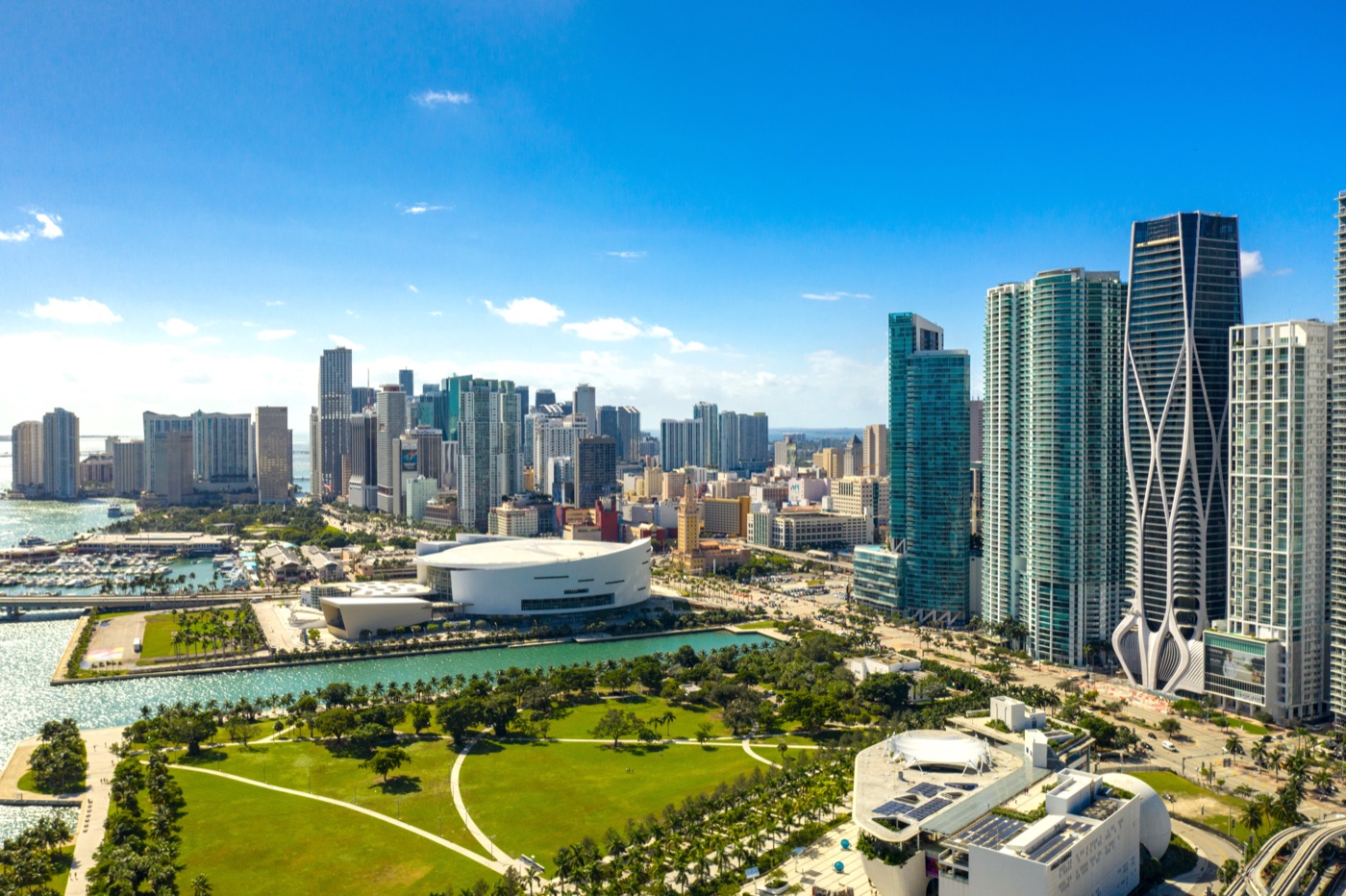
Every few weeks I get the same call. A buyer has been pre-approved for an FHA loan, they have found a condo in Kendall or Doral or Brickell that fits the budget perfectly, and then their loan officer says four words that stop the deal cold: the building is not approved. It is one of the most common and most avoidable surprises in the Miami condo market, and almost nobody warns first-time buyers about it before they fall in love with a unit.
Here is the reality. An FHA loan is one of the best tools available for a Miami buyer who does not have 20 percent saved. Three and a half percent down, flexible credit standards, and gift funds allowed from family. But when you buy a condominium instead of a house, FHA does not just underwrite you. It underwrites the entire building. If the condo association has not gone through HUD approval, or has let its approval expire, that beautiful unit is simply not financeable with an FHA loan, no matter how strong your file is.
In Miami-Dade County, that matters more than almost anywhere else in the country, because our housing stock is overwhelmingly condominium. Whole submarkets from Sunny Isles to Hialeah are dominated by associations, and only a small slice of those associations carry active FHA approval. This guide explains exactly how the system works, how to check it yourself in about two minutes, what single-unit approval is and when it saves a deal, and where FHA-friendly buildings actually cluster in Miami. Y si prefieres hablar en espanol, mi equipo es completamente bilingue, hablamos espanol, so call (954) 833-0020 anytime.
Ready to find your Miami home?
Rangely Adames has helped hundreds of buyers find the perfect property in Miami, including buyers using FHA financing. Call for a free consultation and I will check the approval status of any building on your list. Hablamos Espanol.
Call (954) 833-0020What FHA Approval Actually Means
FHA condominium approval is a status granted by the U.S. Department of Housing and Urban Development to an entire condominium project, not to a unit and not to a buyer. When a project is approved, any qualified buyer can use FHA financing on any unit in that project, subject to the usual loan limits and underwriting. When a project is not approved, no FHA loan can close there through the standard path.
Approvals are not permanent. HUD grants them for a set term, typically three years, after which the association or a lender has to submit a recertification package. This is where a huge number of Miami buildings fall off the list. A board approves the paperwork once, nobody follows up three years later, and the building quietly goes from approved to expired without a single owner noticing until someone tries to sell.
That expiration dynamic is why you should never rely on what a listing says. I regularly see MLS remarks in Miami-Dade claiming FHA approval on buildings whose status lapsed years ago. The listing agent is not necessarily being dishonest, they are usually just repeating what the seller told them. Verify it independently, every single time.
Project approval
The whole building is cleared. Any unit in it can be financed with FHA, and that is a real resale advantage when you eventually sell.
Single-unit approval
A one-off exception for your unit only, in a building that is not approved. Tighter rules, and the lender drives the process.
Why So Few Miami Buildings Are Approved
To be approved, a condominium project has to satisfy a list of association-level tests. The specifics get technical, but the ones that trip up Miami buildings over and over are consistent, and once you know them you can usually predict a building's status before you even check.
First, owner-occupancy. HUD wants a meaningful share of units occupied by owners rather than investors. In Miami, where entire towers in Brickell, Edgewater, and Sunny Isles were sold to overseas investors as rental assets, hitting that threshold is genuinely difficult. A building that is 70 percent short-term or seasonal rentals is not going to qualify.
Second, delinquencies. If too large a share of owners are behind on their maintenance fees, the project fails. After several years of steep insurance increases and post-Surfside structural assessments across Miami-Dade, delinquency rates in older coastal buildings have climbed noticeably.
Third, litigation and reserves. Associations involved in significant construction-defect or structural litigation are a problem, and so are associations that do not fund reserves adequately. Florida tightened its reserve and milestone inspection requirements after Surfside, which has been good for owner safety and hard on the balance sheets of aging buildings. If you want the deeper version of that story, read my guide to Miami condo reserve funds and the piece on building recertification.
Fourth, commercial space. Projects with an outsized percentage of commercial or non-residential square footage run into limits. That rules out a fair number of the mixed-use towers that define Downtown Miami and Brickell, where the first ten floors are retail, offices, or a hotel component.
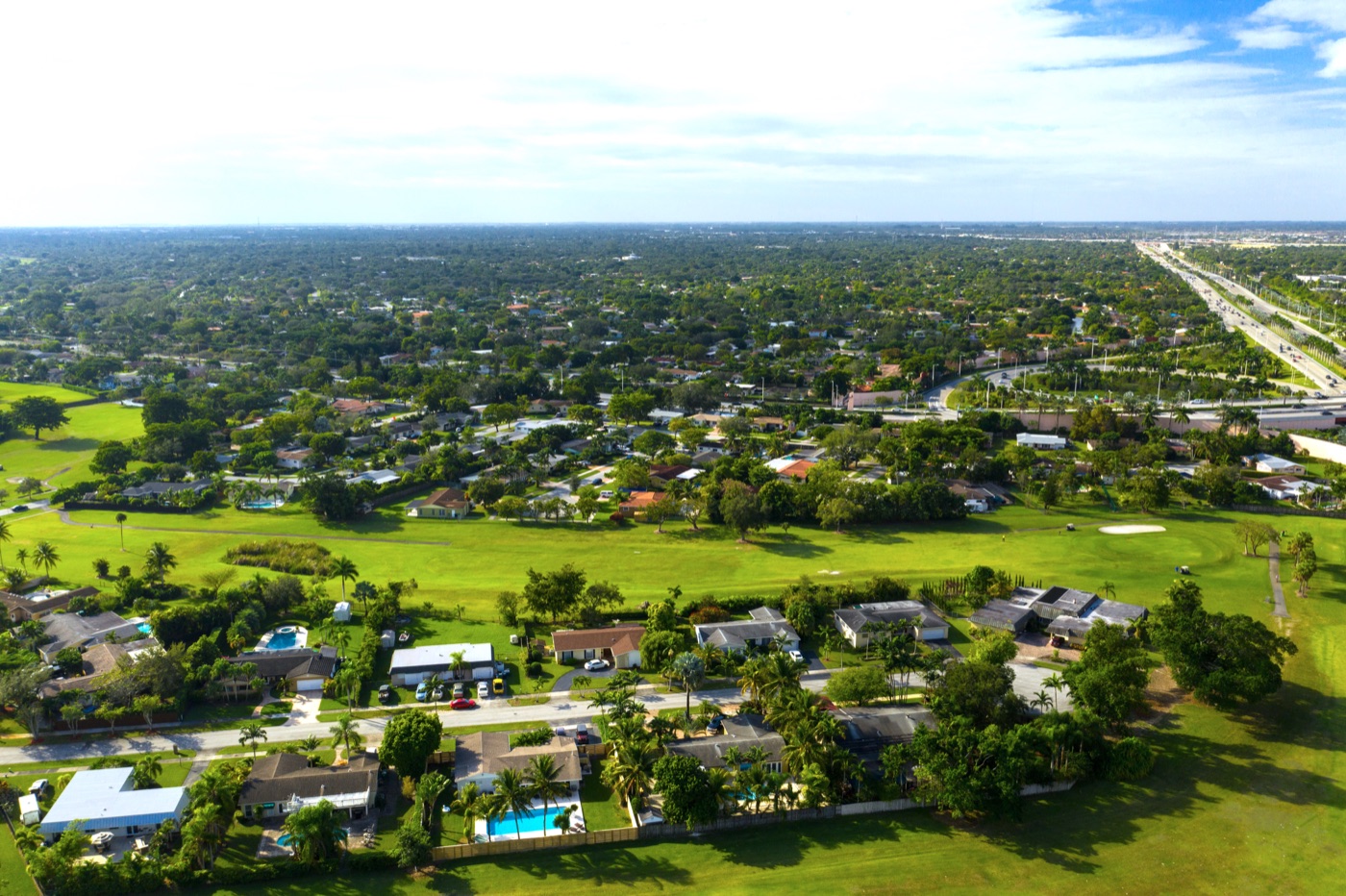
Add all of that up and you get the Miami pattern: the approved list skews toward mid-priced, owner-occupied, garden-style and mid-rise communities inland, and away from the glass towers on the water. That is not a knock on the towers. It is just a financing reality that shapes where an FHA buyer should be spending their weekends.
How to Check a Building in Two Minutes
HUD publishes a public, searchable database of approved condominium projects. It is free, it is authoritative, and it takes almost no time to use. The tool lives on the HUD website under the Condominiums section of the FHA Resource Center, and you can search by condominium name, by city, or by state and county.
Search Miami-Dade County rather than the building name if you want the full picture, because association legal names rarely match the marketing name on the door. A tower marketed as one thing is often recorded with HUD under a completely different legal name from the original declaration. When the results come back, look at two columns above all else: status and expiration date. Approved with a future expiration date is what you want. Approved with a date that has already passed means the building is effectively unusable for FHA until it recertifies.
One practical tip. Print or screenshot the result with the date visible and give it to your loan officer at the start, not at the end. Underwriters re-verify status near closing, and if an approval expires between contract and closing, you want to have known that risk from day one. Ready to schedule a showing? Contact Rangely or call (954) 833-0020 and I will pull the approval status on every building you are considering before we spend a Saturday touring. Hablamos Espanol.
Single-Unit Approval: The Workaround That Saves Deals
Since 2019, HUD has allowed what is commonly called single-unit approval, sometimes still referred to by the old name spot approval. It lets an individual unit qualify for FHA financing inside a project that is not itself approved. For Miami buyers this has been genuinely important, because it opens up buildings that would otherwise be entirely off limits.
The trade-off is that the requirements are stricter and the volume is capped. In a completed project of ten or more units, only a small percentage of the total units can carry FHA-insured single-unit approvals at any one time. Smaller projects are limited to a fixed handful. The association still has to clear tests on insurance, litigation, delinquency, and owner-occupancy, and the underwriter reviews the association budget and financials directly rather than relying on a prior HUD sign-off.
Practically, this means two things. It means your lender matters enormously, because not every loan officer in South Florida has done a single-unit approval and the ones who have not will often tell you it is impossible rather than admit they do not want the work. And it means timing matters, because if the building has already hit its cap for insured units, your file is dead regardless of how clean everything else is.
When I have a buyer going this route, I ask for a lender who can name specific Miami-Dade single-unit approvals they have closed. That one question filters the field fast.
Consejos para Compradores: Como Buscar sin Perder Tiempo
Estos son los consejos que le doy a todos mis clientes que compran con un prestamo FHA en Miami. Son simples, pero le ahorran semanas de frustracion a cualquier comprador primerizo.
- Verifica el edificio antes de enamorarte del apartamento. Revisa la lista de HUD primero, no despues de hacer la oferta.
- Consigue una carta de precalificacion real, no una estimacion por telefono. En Miami, un vendedor rara vez acepta una oferta FHA sin documentacion solida.
- Pregunta por las cuotas de mantenimiento y por cualquier assessment especial pendiente. El pago mensual total, no solo la hipoteca, es lo que define tu presupuesto.
- Trabaja con un prestamista que ya haya cerrado aprobaciones de unidad individual en el condado de Miami-Dade.
- Considera zonas como Kendall, Doral, Hialeah, Miami Lakes, Cutler Bay y Homestead, donde hay mas comunidades aprobadas y los precios entran mejor en el limite de FHA.
- No asumas que el anuncio del MLS dice la verdad sobre la aprobacion. Verifica siempre con la fuente oficial.
Si tienes preguntas sobre el proceso completo, tambien escribi una guia para compradores latinos en Miami que cubre todo el camino desde la precalificacion hasta el cierre.
Where FHA-Friendly Condos Actually Are in Miami
Because approvals cluster around owner-occupied, moderately priced communities, the geography of FHA condo buying in Miami-Dade is fairly predictable. Kendall and West Kendall carry a large share of approved and approvable garden-style associations, and the price points frequently land under the county loan limit. Doral has newer townhome-style condominium communities with strong owner-occupancy, though rising prices push some of the inventory above FHA reach.
Hialeah, Miami Lakes, Cutler Bay, and Homestead are where the numbers work most comfortably. If your budget is in the $250,000 to $450,000 range and you want a realistic shot at an approved building, that corridor deserves your attention. My Homestead buying guide and Miami Lakes guide go deeper on both.
Closer to the core, options thin out but do not disappear. There are approved and single-unit-approvable properties in parts of Edgewater, Little Havana, Midtown, and North Miami. What you generally will not find is FHA financing in the ultra-luxury oceanfront segment, and that is fine. Those buildings are built around cash and jumbo-portfolio buyers, not agency loans.
Explore on rangelyadames.com
The Money Side: Limits, Down Payment, and Mortgage Insurance
FHA sets a maximum loan amount by county, and Miami-Dade sits above the national floor because our home prices are high. For 2026 the one-unit limit in Miami-Dade is in the low $600,000s, but HUD republishes these figures annually and they move, so confirm the current number with your lender before you set a search range. A limit is a ceiling on the loan, not the price, so a slightly higher purchase price can still work with a larger down payment.
The headline benefit is the 3.5 percent down payment for borrowers at or above the qualifying credit score threshold. On a $400,000 condo that is $14,000 rather than the $80,000 a conventional 20 percent down loan would ask for. Down payment funds can come as a documented gift from a family member, which matters in a market where multigenerational help is extremely common.
The cost side is mortgage insurance. FHA charges an upfront mortgage insurance premium that is typically financed into the loan, plus an annual premium collected monthly. On most FHA loans made with the minimum down payment, that annual premium stays for the life of the loan rather than dropping off at 20 percent equity the way private mortgage insurance does on a conventional loan. Many of my clients use FHA to get in, build equity, and then refinance into a conventional loan a few years later to shed the insurance. That is a perfectly good strategy, and it is worth modeling before you commit.
Do not forget the association fee in your qualifying math. Lenders count the full monthly maintenance fee in your debt-to-income ratio, so a $650 monthly fee reduces your buying power meaningfully. My breakdown of Miami condo HOA fees walks through what those dollars actually buy, and the closing costs guide covers what you need at the table.
If the Building Is Not Approved: Your Other Options
An unapproved building is not automatically a dead end. Conventional financing runs a different and generally more flexible condo review, and there are conventional programs with down payments as low as 3 percent for qualified first-time buyers. If your credit is solid, conventional can be cheaper over the life of the loan than FHA precisely because the mortgage insurance can be removed once you reach sufficient equity.
Local and regional portfolio lenders are another route. Because they keep the loan on their own books instead of selling it, they set their own condo standards, and several South Florida banks and credit unions are comfortable with buildings that agency guidelines reject. Rates may be slightly higher, but the deal closes.
And if you are open to it, a townhouse or a small single-family home in south Miami-Dade avoids the condo review entirely. Many of my buyers who started out searching condos ended up in a townhome for a similar monthly payment with no association financing risk at all. My townhouse guide and the condo versus house comparison lay out that trade-off.
Mistakes I See Buyers Make
- Touring for a month before anyone checks approval status. Check first. It costs two minutes and saves weeks.
- Trusting the MLS remarks. Approval lapses quietly and listing data goes stale.
- Budgeting on the mortgage payment alone and ignoring the maintenance fee, insurance, and taxes.
- Choosing a lender on rate alone rather than on condo experience. In Miami, condo competence beats an eighth of a point.
- Skipping the association financials. A building with weak reserves may be approved today and facing a five-figure special assessment next year.
- Assuming FHA offers cannot compete. A well-documented FHA offer with a strong pre-approval and a realistic timeline wins deals in this market constantly.
Before you write an offer on any Miami condo, ask for the association budget, the reserve study, the most recent milestone or structural inspection report, and the minutes from the last twelve months of board meetings. Those four documents tell you more about your future monthly cost than any listing photo ever will.
Resumen en Espanol
En resumen: cuando compras un condominio en Miami con un prestamo FHA, el gobierno no solo evalua tu credito, tambien evalua el edificio completo. Muchos edificios en Miami-Dade no estan aprobados por HUD, o su aprobacion ya vencio, y eso puede terminar tu compra de un dia para otro. Verifica la lista oficial de HUD antes de hacer una oferta, no despues.
Si el edificio no esta aprobado, todavia existe la opcion de aprobacion de unidad individual, pero necesitas un prestamista con experiencia real en Miami-Dade. Las zonas donde encontraras mas edificios aprobados son Kendall, Doral, Hialeah, Miami Lakes, Cutler Bay y Homestead. Y recuerda incluir la cuota de mantenimiento en tu presupuesto, porque el prestamista la cuenta como deuda.
Si quieres que revise el estado de aprobacion de un edificio especifico, o que te ayude a encontrar opciones que califiquen para FHA dentro de tu presupuesto, llamame al (954) 833-0020. Hablamos espanol y trabajamos con compradores primerizos todos los dias.
Note: FHA rules, county loan limits, and individual project approvals change regularly. Everything here reflects the Miami-Dade market as of July 2026 and is general information, not lending or legal advice. Confirm current figures and project status with a licensed lender before you make an offer.
Your Miami Real Estate Expert, Hablamos Espanol
Whether you are buying, selling, or investing in Miami real estate, Rangely Adames brings deep local expertise and personalized service. I will check FHA approval on any building on your list before you spend a weekend touring. Free consultation, no pressure.
Related Articles
February 2026 · 9 min read
Aventura Real Estate Guide: Condos, Schools & Lifestyle (2026)
Luxury high-rises, top-rated schools, and the Aventura Mall — why families and investors love this North Miami suburb.
Read article →February 2026 · 9 min read
Airbnb Investment Properties in Miami: Rules, ROI & Best Areas
Short-term rental regulations, income projections, and the best Miami neighborhoods for Airbnb investing.
Read article →July 2026 · 10 min read
Bay Harbor Islands Real Estate Guide: Homes, Condos & Market (2026)
Waterfront homes with private docks, boutique condos, and a top-rated K-8 school make Bay Harbor Islands one of Miami's best-kept secrets. A bilingual 2026 buyer guide with prices and consejos para compradores. Hablamos Espanol.
Read article →