How to Sell Your Miami Luxury Condo and Move Out Without Losing Money (2026)
By Rangely Adames • August 2026 • 11 min read
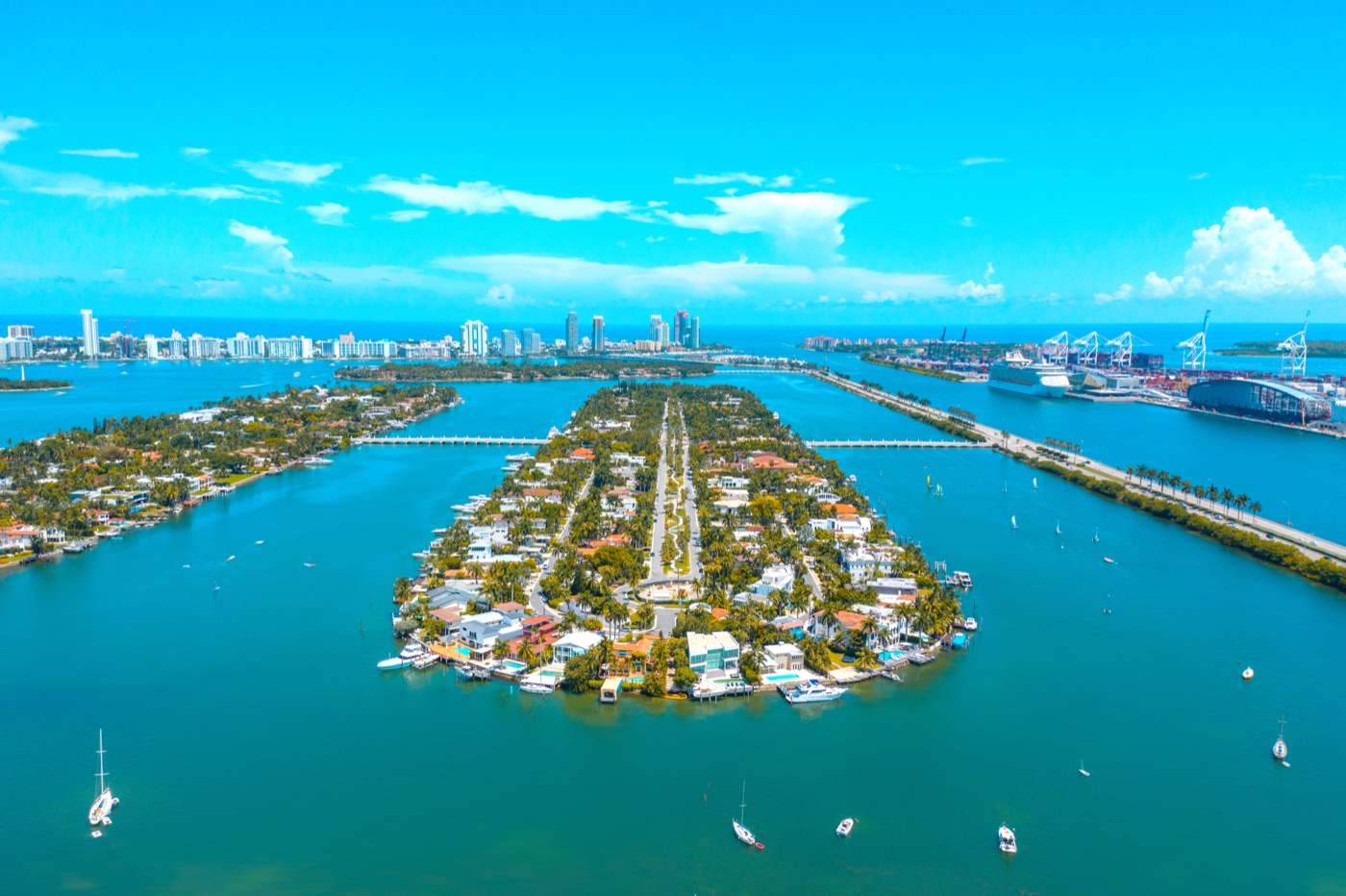
Selling a luxury condo in Miami sounds straightforward until you are actually in the middle of it. Between the building's move-out rules, the HOA approval process for the new buyer, the coordination with your attorney, and the logistics of physically leaving a high-rise, there are a dozen ways the process can slow down or cost you money if you are not prepared. I have guided clients through sales at buildings from Brickell to Bal Harbour, and the sellers who come out ahead are almost always the ones who started planning early.
What surprises most sellers, especially those who have never sold a condo in Miami before, is how much the building itself controls the transaction. Your condo association sets the rules for when movers can come and go, whether the buyer needs board approval, how much notice you must give, and what condition the unit must be in at closing. Ignore any one of those details and you risk delaying your closing date or paying fees you never anticipated.
In this guide I am walking through the full process, from the moment you decide to sell to the day you hand over the keys. I will cover pricing strategy, the documents you need to gather, what the building will require from you, and how to coordinate your move so that nothing falls through the cracks. If you are selling a condo in Edgewater, Sunny Isles, Key Biscayne, or anywhere else in Miami-Dade, this applies to you.
Ready to Sell Your Miami Condo?
I work with sellers across Miami-Dade from Brickell to Bal Harbour. Hablamos Espanol. Call me at (954) 833-0020 for a straightforward conversation about your unit's value and your best next step.
Call (954) 833-0020Decide Early Whether You Are Selling Furnished or Unfurnished
One of the first decisions you need to make is whether you are selling the unit furnished, partially furnished, or empty. This matters more than most sellers realize because it directly affects your listing price, your buyer pool, and your own moving timeline.
In buildings like Porsche Design Tower in Sunny Isles or One Thousand Museum in downtown Miami, a fully furnished unit can command a meaningful premium because international buyers and investors purchasing for short-term rental income want to close and start generating revenue immediately. In my experience, a well-furnished unit in a building with flexible rental policies can sell 10 to 15 percent above a comparable empty unit when marketed correctly.
On the other hand, if you are selling in a building where owner-occupants are the primary buyers, such as several of the low-rise buildings in Coconut Grove or coral Gables adjacent developments, buyers often want to bring their own furniture and may discount your asking price if they feel they are paying for items they will not use. Talk with your agent before assuming that more furniture equals more money. The answer depends heavily on the building and the buyer profile you are targeting.
Explore on rangelyadames.com
Gather Your Documents Before You List
Nothing slows down a Miami condo sale faster than missing paperwork. The moment you decide to sell, start pulling together every document related to the unit and the building. Buyers and their attorneys will request these during due diligence, and delays on your end can give a buyer an excuse to renegotiate or walk away.
Here is a complete list of documents I advise every seller to have ready before going live on the market.
Having all of these ready on day one signals to buyers and their attorneys that you are an organized seller who will close on time. That perception alone can strengthen your negotiating position.
Documents to gather before listing your Miami condo:
- Your original purchase contract and any amendments
- The most recent three years of HOA meeting minutes
- Current HOA financial statements and reserve fund balance
- The building's declaration of condominium and bylaws
- Any special assessment notices, past or pending
- Your current HOA account statement showing no outstanding balance
- Certificate of insurance for the unit and the building
- Your most recent property tax bill and any homestead exemption paperwork
- Permits for any renovations you completed inside the unit
- The estoppel letter, which your HOA will need to prepare once you are under contract
- Any lease agreements if the unit is currently rented
Price It Right the First Time
Luxury condo pricing in Miami is hyperlocal and building-specific. The price per square foot at One Thousand Museum is not relevant when you are pricing a unit at Brickell Flatiron, even though both buildings are in the same neighborhood. I always run a comparable analysis using recent closed sales within the same building first, then look at competing buildings in the same submarket as a secondary reference.
As of early 2026, luxury condo inventory in Miami Beach and Brickell remains competitive. Well-priced units in buildings with strong financials and full amenity packages are moving in under 60 days. Overpriced units are sitting for 120 days or more, which forces price cuts and signals weakness to buyers who then come in with aggressive offers.
A common mistake I see is sellers anchoring to what a neighbor's unit sold for two years ago, during a frenzied period when demand outpaced supply significantly. The market has normalized. Buyers today are doing their homework, they are comparing price per square foot across multiple buildings, and they are factoring in HOA fees, special assessments, and building age in their offers. Price your unit based on the market as it exists today, not as it existed in 2022.
In buildings where monthly HOA fees run $2,500 to $5,000 per month, which is common in full-service luxury towers in Miami Beach and Bal Harbour, a high fee can be a buyer objection. Be prepared to demonstrate that the fee covers comprehensive amenities, strong reserves, and no pending assessments. That context can shift a hesitant buyer into a confident one.
Understand the Building's Board Approval and Move-Out Rules
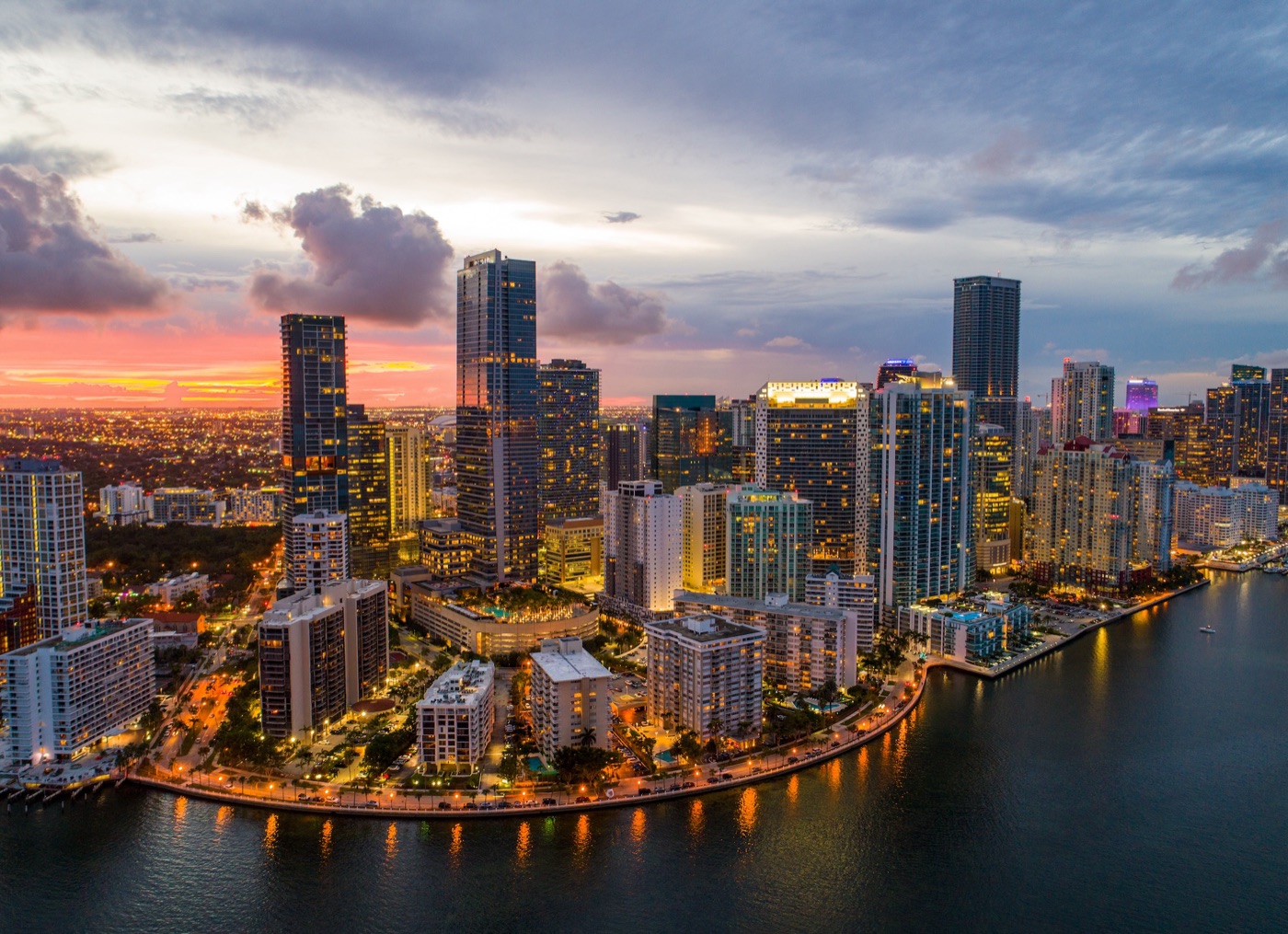
Many Miami luxury buildings require the incoming buyer to receive board approval before closing. This is separate from the buyer's mortgage approval and the title process. It typically involves the buyer submitting an application, financial documents, and sometimes completing an interview with board members. As the seller, you cannot control whether your buyer gets approved, but you can prepare them for it.
I make sure every seller I work with understands this process before we even accept an offer. If a buyer walks in expecting to close in 30 days and the building has a 45-day approval process, there will be friction. Setting expectations on the front end saves everyone headaches.
Move-out logistics are equally important. Most high-rise buildings in Miami restrict freight elevator use to specific hours, often 8 a.m. to 5 p.m. on weekdays only, and require you to book the elevator in advance. Some buildings charge a move-out deposit of $500 to $1,500 that is refunded after management confirms no damage to common areas. If you fail to book in time or your movers show up on a weekend without authorization, the building can turn them away, and a missed closing date becomes a real possibility.
Buildings in Fisher Island have some of the most detailed move-out protocols in Miami-Dade given the ferry access requirement. Buildings in Aventura and Sunny Isles tend to have more straightforward processes but still require advance scheduling. Call your building manager as soon as you have a closing date in mind and confirm every requirement in writing.
Prepare the Unit for Sale Without Over-Improving It
The goal of pre-sale preparation is to make the unit look impeccable without spending money on improvements that will not return their cost at closing. In my experience, the highest-return activities for a Miami luxury condo seller are a deep clean, professional photography, fresh paint in neutral tones, and fixing any items that a buyer's inspector will flag.
What I tell sellers to avoid is making major cosmetic decisions that reflect personal taste. Replacing a kitchen that is 10 years old but still functional, swapping out flooring that is in good condition, or installing a new bathroom vanity that the buyer may tear out anyway are examples of spending money without a guaranteed return. A buyer who is spending $1.5 million or more on a condo in Edgewater or Midtown Miami will often want to put their own stamp on the space.
Focus on the fundamentals. Make sure the HVAC is serviced and filters are clean. Replace any burned-out light bulbs throughout the unit, because a dark corner photographs poorly and feels neglected during a showing. Clean the balcony thoroughly since outdoor space is one of the most scrutinized features in a Miami condo. If there is any water intrusion or visible staining on ceilings or walls, address it with a licensed contractor before listing. Buyers will ask about it and an unexplained stain creates doubt that is hard to overcome.
Professional photography is non-negotiable. Miami luxury buyers are often looking at properties from New York, São Paulo, Bogotá, or Mexico City before they ever set foot on a plane. Your listing photos and any virtual tour content are the first showing. I work with photographers who specialize in high-rise interiors and know how to capture bay views, city light views, and the architectural details that justify a premium price point.
Coordinate Your Closing and Move-Out Timeline
The closing date and your physical move-out date need to be aligned carefully. In Florida, the seller is expected to deliver the property vacant and in the agreed condition on the day of closing unless a post-occupancy agreement has been negotiated. If you are still living in the unit, you need to be out and the unit needs to be clean before the closing appointment.
I strongly recommend against assuming you can do a same-day move-out and closing. If the movers run late, if an item gets damaged on the way out, or if the building has an elevator conflict that morning, your closing can be delayed and that can have real financial consequences including per-diem penalties specified in the contract.
Plan to be fully out of the unit at least one business day before closing. Use that buffer day to do a final walkthrough yourself, confirm that all personal property has been removed, make sure all appliances are working, and return any extra keys or fobs to building management. Your real estate attorney will also want to confirm the estoppel letter is finalized and that the HOA has confirmed your account is current. These last-minute items are easier to resolve when you are not simultaneously directing movers.
If you are selling your Miami condo and purchasing another property simultaneously, the timing gets more complex. A 1031 exchange, for example, requires strict adherence to federal timelines: 45 days to identify a replacement property and 180 days to close. If that applies to your situation, call me directly at (954) 833-0020 so we can build a timeline that protects both transactions.
Understand Your Net Proceeds and Tax Implications
Before you accept an offer, you should have a clear picture of what you will actually walk away with after all costs are paid. In Florida, seller closing costs on a condo transaction typically include the documentary stamp tax on the deed at 0.70 percent of the sale price, the real estate commission, the cost of preparing the title and any outstanding estoppel fees, and any prorated HOA fees or special assessments owed at closing.
On a $1.2 million condo in Brickell, the documentary stamp tax alone is $8,400. Add a total commission of 5 to 6 percent and your closing costs as a seller are in the range of $72,000 to $80,000 before any other adjustments. This is not a surprise if you plan for it, but sellers who do not run these numbers in advance sometimes feel the figure at the closing table.
If the condo was not your primary residence, capital gains tax is also a consideration. Short-term gains, meaning you held the property for less than one year, are taxed at ordinary income rates. Long-term gains on investment property are taxed at 0, 15, or 20 percent depending on your income level. If you are a foreign seller, FIRPTA withholding rules apply and your attorney needs to address that before closing.
Florida has no state income tax, which is one of the reasons so many investors and high-net-worth individuals have relocated here from California and New York. But federal capital gains obligations remain, and if you have owned the property for several years and seen meaningful appreciation, working with a tax advisor before closing is worth every penny.
Working With a Miami Agent Who Knows the Luxury Condo Market
Selling a luxury condo in Miami is not the same as selling a single-family home in the suburbs. The process involves a specific set of players: the HOA, the building management company, the condo association attorney, your real estate attorney, and in many cases a foreign buyer's legal team. Your agent needs to be fluent in all of those relationships.
I have been through this process in buildings across Miami-Dade, from the boutique low-rises in Coconut Grove to the full-service towers in Sunny Isles and the ultra-luxury buildings on Brickell's waterfront. I know which buildings have complicated approval processes, which ones have pending litigation or assessments that need to be disclosed, and which buildings attract the strongest buyer demand in the current market.
For my Latin American clients, I am happy to walk through every step of this process in Spanish. Hablamos Espanol, and I understand the specific concerns that come with selling a property in the United States when your primary banking, legal, and family relationships are outside the country. Whether the concern is FIRPTA, currency transfers, or simply understanding a Florida closing statement, I can explain it clearly.
If you are thinking about selling your Miami luxury condo in 2026 and want to understand your options, call me at (954) 833-0020. There is no pressure and no obligation. I will give you an honest assessment of your unit's value, what the market looks like right now in your specific building, and a realistic timeline for what you can expect. Starting that conversation early is one of the best things you can do for your net proceeds.
Let's Talk About Your Miami Condo Sale
Whether you are ready to list now or just starting to think through your options, call Rangely Adames at (954) 833-0020 and let's build a plan that protects your investment from listing day through closing.
Related Articles
July 2026 · 12 min read
Guia para Compradores Latinos en Miami: Como Comprar Casa (2026)
A bilingual, step-by-step guide for Latino buyers in Miami: ITIN and foreign-national financing, the buying process, homestead, HOA, insurance, and consejos para compradores. Hablamos Espanol.
Read article →April 2026 · 9 min read
Guide to Buying Land in Miami: Zoning, Permits & Prices
Everything you need to know about purchasing raw or improved land in Miami-Dade County, including zoning categories, permit timelines, and price ranges.
Read article →March 2026 · 9 min read
How to Sell Your Condo in Miami: Pricing, Staging & Marketing Tips
Condo-specific selling strategies: estoppel letters, HOA considerations, pricing for your building, and marketing to the right buyers.
Read article →