Proceso de Compra de Casa en Miami para Extranjeros: Guia Completa 2026
By Rangely Adames, Sunland Group • July 2026 • 12 min read
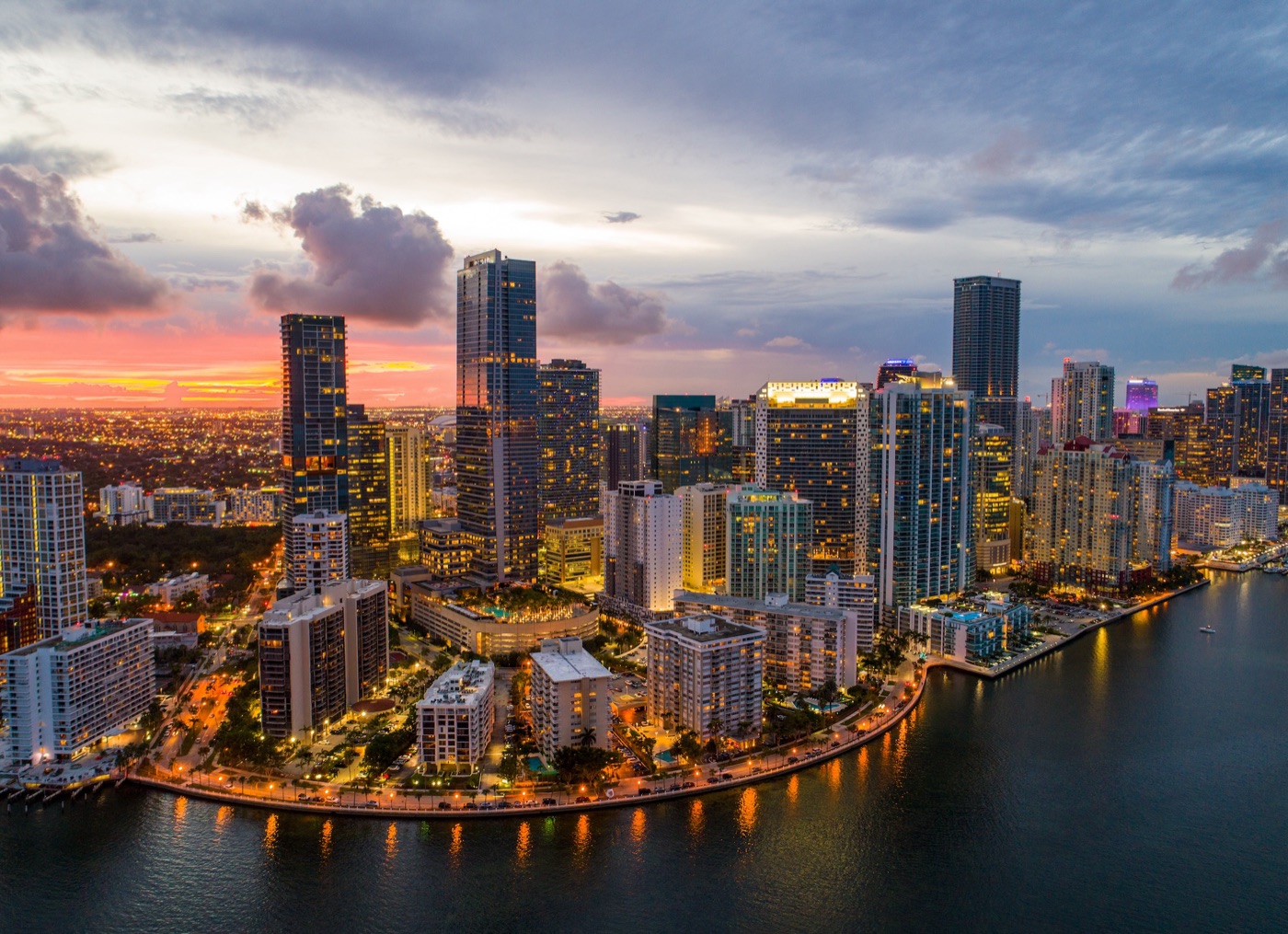
Buying property in Miami as a foreign national is one of the most common transactions I handle, and it is also the one surrounded by the most misinformation. Clients arrive from Colombia, Venezuela, Argentina, Mexico, Spain, and Brazil convinced they need a green card, a Social Security number, or an American credit history to buy a home in Florida. Ninguna de esas tres cosas es obligatoria. The United States places almost no restrictions on foreign ownership of residential real estate, and a buyer with no US immigration status at all can hold title to a condo in Brickell or a house in Doral exactly the same way a US citizen can.
What does change for a foreign buyer is the mechanics: how you get financing, how you take title, what documentation the title company asks for, how your funds move into the country, and what happens to your taxes when you eventually sell. Those details are where deals slow down or fall apart, and they are the reason this guide exists. Este articulo esta escrito para el comprador extranjero que quiere entender el proceso completo antes de hacer una oferta, no despues.
I am going to walk you through every stage: the pre-purchase preparation, the financing options available to non-residents, the offer and contract phase under Florida law, inspections and due diligence, the closing itself, and the tax realities that follow ownership. If at any point you want to talk it through directly, call me at (954) 833-0020. Hablamos Espanol, and I have guided hundreds of international buyers through this exact process.
Ready to find your Miami home?
Rangely Adames has helped hundreds of buyers find the perfect property in Miami, including international clients buying from abroad. Call for a free consultation. Hablamos Espanol y trabajamos todo el proceso en su idioma.
Call (954) 833-0020Paso 1: Lo Que Necesita Antes de Empezar a Buscar
The single biggest mistake international buyers make is touring properties before their documentation and funds are in position. In Miami, well-priced listings frequently receive multiple offers within days, and a foreign buyer who cannot demonstrate proof of funds or financing readiness loses to a buyer who can. La preparacion no es opcional, es lo que determina si su oferta se toma en serio.
At minimum, you need a valid passport. For most transactions that is the only identification document required, though title companies may also request a second form of ID. You do not need a visa to buy, and you do not need to be physically present in the United States, though buying remotely does add steps we will cover later.
You also need proof of funds. If you are paying cash, this means recent bank statements showing the purchase amount plus closing costs, ideally in an account that has held the money for at least 60 days. If the funds arrived recently from a business sale, an inheritance, or a property sale in your home country, gather the documentation that explains the source. US title companies and banks apply anti-money-laundering rules seriously, and a large wire from an unexplained source will delay your closing. Traiga la documentacion desde el principio y evitara semanas de retraso.
An ITIN, or Individual Taxpayer Identification Number, is not required to purchase. However, I recommend most foreign buyers apply for one early. You will need it if you plan to rent the property, if you want to file a US tax return to claim deductions against rental income, and eventually when you sell and deal with FIRPTA withholding. Applying takes several weeks through IRS Form W-7, so starting early costs you nothing and saves you time later.
Explore on rangelyadames.com
Paso 2: Financiamiento Sin Historial de Credito Americano
This is the question I am asked most often, and the answer surprises most people: yes, you can get a mortgage in the United States without a Social Security number, without US credit, and without US employment. The product is called a foreign national loan, and several South Florida banks and portfolio lenders specialize in it precisely because Miami has so much international demand.
The terms differ from a conventional US mortgage. Expect a down payment between 30 and 40 percent of the purchase price, compared to the 5 to 20 percent a US resident might put down. Interest rates typically run one to two percentage points above conventional rates. Lenders generally cap loan amounts and often require you to maintain several months of reserves in a US bank account after closing. Estas condiciones son estandar, no son un castigo, simplemente reflejan el riesgo que el banco no puede medir con un credit score.
What lenders ask for in place of a credit score is documentation of income and assets from your home country: two years of tax returns or their local equivalent, bank statements, and frequently a reference letter from your home-country bank confirming your relationship and account standing. If you are self-employed or a business owner, expect additional documentation about the business. Getting these documents translated and, where required, apostilled takes time, so begin as soon as you decide to buy.
That said, roughly a third of Miami transactions overall close in cash, and among international buyers the share is considerably higher. Paying cash simplifies the process enormously: no appraisal contingency, no loan approval timeline, and a much stronger negotiating position. If you have the liquidity, cash purchases in Miami frequently secure a better price than a financed offer at the same number. Many of my clients buy in cash and then pursue a cash-out refinance a year later once they have established a US banking relationship.
Paso 3: Como Tomar Titulo de la Propiedad
How you hold title matters more for a foreign buyer than for a US resident, because it affects your estate tax exposure and your liability. This is a decision to make with a US tax attorney or CPA before you sign a contract, not after.
Buying in your personal name is the simplest option. It is inexpensive, involves no ongoing filings, and works well for a modest purchase or a property you intend to use personally. The concern is US estate tax. Non-resident aliens receive only a $60,000 exemption from US estate tax on US-situs assets, compared to the multi-million-dollar exemption available to US citizens. On a $900,000 condo held personally, that exposure is significant if the owner passes away while holding the property.
A Florida LLC is the structure I see most often among my international clients. It provides liability protection, allows multiple family members or partners to hold interests, keeps the ownership record cleaner in public records, and is inexpensive to form and maintain. Some buyers layer a foreign corporation above the LLC to address estate tax exposure, though that structure carries higher setup and annual costs and only makes sense above a certain purchase price.
Trusts, both US and foreign, are also used, particularly by buyers planning multi-generational ownership. La estructura correcta depende de su pais de residencia, del tratado fiscal entre ese pais y Estados Unidos, y de sus planes a largo plazo. I always refer clients to a qualified international tax professional for this decision, and I coordinate with that professional so the title company has the right entity documentation ready at closing.
Paso 4: La Oferta y el Contrato en Florida
Once you find the property, we submit an offer using the Florida Realtors/Florida Bar residential contract, the standard form used in nearly every Miami-Dade transaction. The contract specifies the price, the deposit schedule, the inspection period, the financing terms if any, and the closing date.
Your initial deposit, called the escrow deposit or earnest money, typically runs 5 to 10 percent of the purchase price and is wired to the title company or the escrow agent, never to the seller directly. For foreign buyers, international wires can take two to four business days and sometimes trigger compliance review, so we build realistic timelines into the contract rather than agreeing to a deposit deadline your bank cannot meet. Este es un detalle pequeno que ha costado depositos a compradores mal asesorados.
Florida contracts are highly negotiable on terms beyond price. Inspection period length, closing date, who pays title insurance, whether the seller contributes to closing costs, what personal property conveys with the home, and what contingencies apply are all negotiable. In condo purchases there is an additional protection: Florida law grants buyers a three-day right to cancel after receiving the condominium documents. That window is your opportunity to review the association budget, reserves, rules, and financials.
Ready to schedule a showing? Contact Rangely or call (954) 833-0020 — Hablamos Espanol.
Paso 5: Inspecciones y Due Diligence
The inspection period, typically 10 to 15 days, is when you verify what you are actually buying. For a single-family home in Miami, a general inspection should cover the roof, the electrical panel, plumbing, HVAC, and the structure, plus a wind mitigation inspection and a four-point inspection, both of which your insurer will require and both of which directly affect your premium.
For a condo, the unit inspection matters less than the building inspection. After the Surfside collapse, Florida enacted milestone inspection and structural reserve requirements that have reshaped condo economics across Miami-Dade. Before buying any condo, review the association budget, the reserve study, the most recent milestone inspection report, and the minutes of recent board meetings. A building with underfunded reserves and a pending structural repair can hit every owner with a special assessment of tens or even hundreds of thousands of dollars. He visto asignaciones especiales de mas de cien mil dolares por unidad en edificios que se veian perfectos por fuera.
Flood zone and insurance research belongs in this same window. Miami-Dade flood zones vary block by block, and a property in a high-risk zone carries flood insurance costs that can meaningfully change your monthly carrying cost. Get insurance quotes during the inspection period, not after closing. Read our Miami flood zones and insurance guide and the condo reserve funds breakdown for the detail behind both of these.
Paso 6: El Cierre (Closing)
A cash closing in Miami typically takes 20 to 30 days from contract; a financed foreign national purchase usually runs 45 to 60 days. In Florida, closings are handled by a title company or a real estate attorney rather than by a notary in the civil-law sense, which surprises buyers from Latin America and Europe where the notario plays a much larger role.
Budget 2 to 5 percent of the purchase price for closing costs as a buyer. The main components are title insurance, which in Florida is often negotiated as to who pays, documentary stamp taxes on the deed and on any mortgage, recording fees, the survey, inspections, lender fees if you are financing, and prorated property taxes and HOA dues. On a $700,000 purchase, expect somewhere between $14,000 and $35,000 depending on financing and on how the title insurance question was negotiated.
You do not have to be in Miami to close. Remote closings are routine for international buyers. You can grant a limited power of attorney to someone in Florida, or you can sign the closing documents at a US embassy or consulate, or before a notary in your country followed by an apostille under the Hague Convention. Cada opcion tiene requisitos especificos de tiempo, so we decide which route you are using early rather than in the final week.
Funds are wired to the title company before closing. Wire fraud targeting real estate transactions is a genuine and serious risk in South Florida. Never accept wire instructions sent by email without calling the title company at a number you independently verified to confirm them verbally. Nunca, bajo ninguna circunstancia, envie fondos basandose solo en un correo electronico.
Paso 7: Impuestos y Obligaciones Despues de Comprar
Owning Miami property as a foreign national creates ongoing obligations you should understand before you buy, not after your first tax season.
Property taxes in Miami-Dade generally run between 1.8 and 2.3 percent of assessed value annually, varying by municipality. Critically, the Florida homestead exemption and its Save Our Homes assessment cap are available only to permanent Florida residents. As a non-resident, you will not receive that exemption, and your assessed value can rise faster year to year than a homesteaded neighbor's. Budget accordingly.
If you rent the property, rental income is subject to US taxation. By default a flat 30 percent withholding applies to gross rents, which is almost always the worse outcome. By filing a Section 871(d) election, you can instead be taxed on net rental income after deducting mortgage interest, property taxes, insurance, HOA fees, management, repairs, and depreciation. For most owners the election produces a dramatically lower tax bill, and it requires an ITIN and an annual Form 1040-NR filing.
When you sell, FIRPTA applies. The Foreign Investment in Real Property Tax Act requires the buyer to withhold up to 15 percent of the gross sales price and remit it to the IRS. This is a withholding against your eventual tax liability, not the tax itself, and if your actual gain is small you can recover much of it by filing a return or by applying for a withholding certificate before closing to reduce the amount held. Planning for FIRPTA at the listing stage, not at the closing table, is what separates a smooth sale from a frozen one. Our FIRPTA guide for foreign sellers covers the mechanics in full.
Consejos para Compradores Extranjeros
Estos son los consejos que le doy a cada cliente internacional antes de empezar:
- Abra una cuenta bancaria en Estados Unidos antes de comprar. Simplifica los depositos, el pago del HOA, los impuestos y los servicios. Varios bancos en Miami abren cuentas para no residentes con pasaporte y comprobante de domicilio.
- Contrate a un CPA con experiencia internacional antes de firmar, no despues. La estructura de titularidad se decide antes del contrato y es costosa de cambiar despues.
- Verifique las reglas de renta del condominio si piensa alquilar. Muchos edificios en Miami Beach y Brickell prohiben rentas menores a seis meses o hasta a un ano.
- Pida las actas y el presupuesto de la asociacion, no solo el estado financiero resumido. Ahi es donde aparecen las reparaciones pendientes.
- Presupueste el costo total mensual, no solo la hipoteca: HOA, impuestos, seguro de propiedad, seguro de inundacion y mantenimiento.
- No envie dinero sin confirmar las instrucciones por telefono con un numero que usted verifico de forma independiente.
- Si compra a distancia, defina desde el inicio si firmara por poder, en el consulado o con apostilla. Los tiempos son muy distintos.
- Trabaje con un agente que hable su idioma y que haya cerrado operaciones con compradores extranjeros. El proceso tiene detalles que un agente sin esa experiencia desconoce.
Donde Compran los Extranjeros en Miami
International buyers concentrate in specific submarkets, and understanding why helps you decide where to focus. Brickell remains the leading destination for Latin American buyers who want a walkable urban lifestyle, strong rental demand, and a large Spanish-speaking professional community. Inventory is deep, buildings are relatively new, and financing is well understood by lenders.
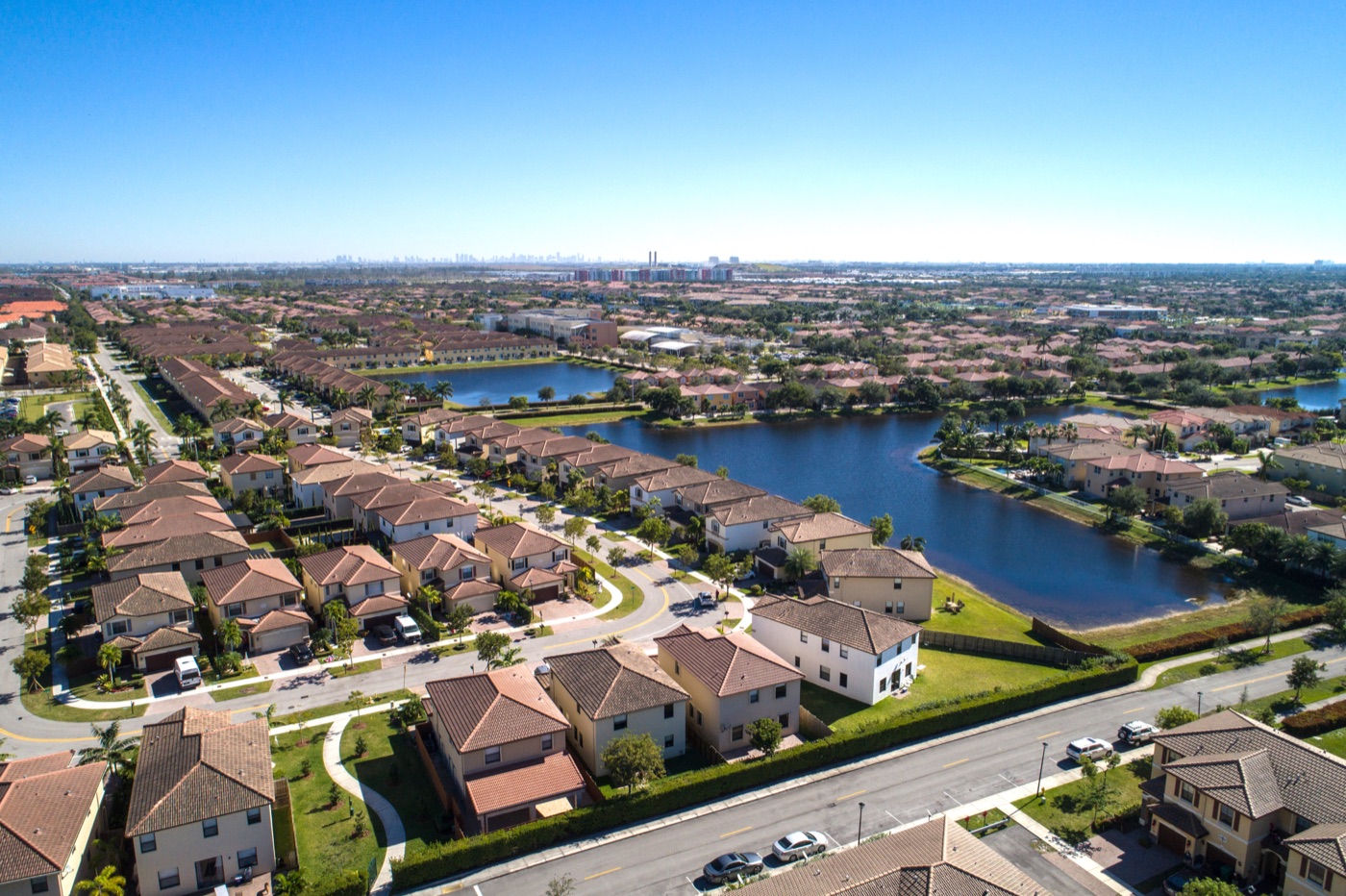
Doral attracts families, particularly Venezuelan and Colombian buyers, drawn by strong schools, newer single-family construction, and gated communities. Aventura and Sunny Isles Beach draw buyers from Argentina, Brazil, and Russia who want oceanfront or Intracoastal condos with resort amenities. Coral Gables appeals to buyers wanting established, tree-lined neighborhoods and proximity to the University of Miami. Edgewater and Midtown have become the value alternative to Brickell for younger international buyers.
Si no conoce Miami todavia, mi recomendacion es simple: rente durante seis meses antes de comprar si puede. Los barrios de Miami se sienten muy distintos entre si, y la diferencia entre vivir en Brickell y vivir en Doral no se aprecia en fotos. Compare Doral vs. Kendall and Brickell vs. Coral Gables for a deeper look at how these areas differ.
Errores Comunes que Debe Evitar
After years of representing international buyers, the same avoidable mistakes appear again and again. The first is assuming that a purchase grants immigration status. Buying real estate in the United States gives you no visa, no residency, and no path to a green card. Some buyers pursue the EB-5 investor program separately, but that is a distinct process with its own requirements and it is not satisfied by buying a home.
The second is underestimating total carrying cost. A condo listed at $600,000 with a $1,200 monthly HOA fee, $11,000 in annual property taxes, and $4,000 in insurance carries far more monthly cost than the price alone suggests. Always run the full number before falling in love with a unit.
The third is buying a condo in a building with weak finances. Post-Surfside reserve requirements have exposed buildings that deferred maintenance for years, and the assessments that follow can exceed what a buyer saved on the purchase price. A slightly more expensive unit in a well-funded building is frequently the cheaper long-term decision.
The fourth is skipping professional tax advice to save a few thousand dollars in fees. The wrong ownership structure can cost far more than the advice would have. And the fifth is working with an agent who has never closed a foreign national transaction. The process has real differences from a domestic purchase, and inexperience shows up at exactly the moments when it is most expensive.
Resumen en Espanol
Comprar una propiedad en Miami siendo extranjero es completamente legal y mas sencillo de lo que la mayoria imagina. No necesita visa, residencia, Social Security ni historial de credito americano. Lo que si necesita es preparacion: pasaporte vigente, comprobante de fondos con origen documentado, y una decision informada sobre como tomar el titulo, ya sea a nombre personal, mediante una LLC de Florida o a traves de una estructura mas compleja segun su situacion fiscal.
El financiamiento existe para extranjeros a traves de prestamos foreign national, que normalmente requieren entre 30 y 40 por ciento de enganche y tasas ligeramente superiores. Muchos compradores internacionales optan por pagar de contado, lo cual acelera el cierre y mejora la posicion de negociacion. El proceso completo toma entre 20 y 30 dias en efectivo, o entre 45 y 60 dias con financiamiento, y puede cerrarse a distancia mediante poder, consulado o apostilla.
Presupueste entre 2 y 5 por ciento del precio en gastos de cierre, mas los costos anuales de impuestos prediales (1.8 a 2.3 por ciento sin exencion de homestead), seguro y cuotas de asociacion. Si va a rentar, solicite un ITIN y haga la eleccion bajo la seccion 871(d) para tributar sobre el ingreso neto. Y cuando venda, planifique FIRPTA con anticipacion para no inmovilizar hasta el 15 por ciento del precio de venta.
Mi recomendacion final es la misma que le doy a todos mis clientes: rodeese de un equipo con experiencia internacional desde el primer dia, un agente, un CPA y una title company que hayan hecho esto muchas veces. Con el equipo correcto, comprar en Miami desde el extranjero es un proceso ordenado y predecible.
Your Miami Real Estate Expert — Hablamos Espanol
Whether you are buying, selling, or investing in Miami real estate from abroad, Rangely Adames brings deep local expertise and personalized service in English and Spanish. Free consultation, no pressure. Consulta gratuita, sin compromiso.
Related Articles
September 28, 2026 · 10 min read
Argentine Buyers Guide to Miami Real Estate: Process, Financing Themes, and Neighborhood Fit (2026)
Buying Miami real estate from Argentina is workable when you separate what your agent coordinates from what your attorney, CPA, and lender decide. This support guide walks through the process, financing themes, remote closing, and neighborhood fit, then points you to the Argentina foreign-buyer hub for next steps.
Read article →February 2026 · 9 min read
Aventura Real Estate Guide: Condos, Schools & Lifestyle (2026)
Luxury high-rises, top-rated schools, and the Aventura Mall — why families and investors love this North Miami suburb.
Read article →February 2026 · 9 min read
Airbnb Investment Properties in Miami: Rules, ROI & Best Areas
Short-term rental regulations, income projections, and the best Miami neighborhoods for Airbnb investing.
Read article →