Downtown Miami Condo Buyer Guide: Neighborhoods, Buildings, and Due Diligence (2026)
By Rangely Adames • September 27, 2026 • 11 min read
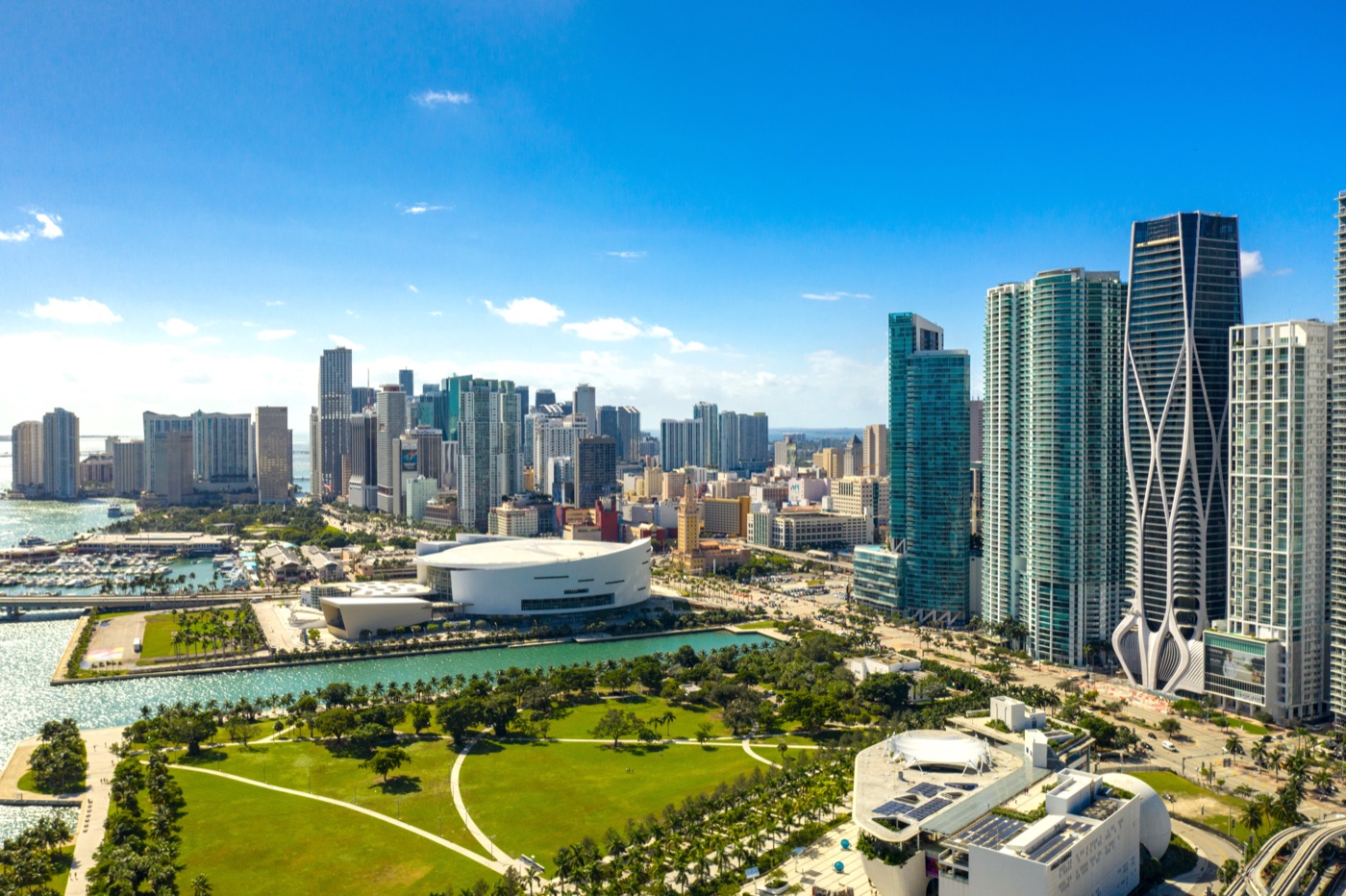
Downtown Miami can look simple on a map, but buying a condo here requires more than choosing a view and a number of bedrooms. Two towers a short ride apart can have very different association rules, parking arrangements, insurance questions, reserve planning, rental policies, noise patterns, and day-to-day convenience. The right choice depends on how you plan to use the home, how much building information you are comfortable reviewing, and what your closing team can verify before your contract deadlines expire.
I help buyers compare the Downtown core, Brickell, the Arts and Entertainment District, Edgewater, and nearby parts of Miami from a practical point of view. We talk about your commute, routines, guests, pets, parking, financing, and tolerance for construction or city activity. Then we narrow the search to buildings that fit your life instead of treating every condo listing as interchangeable. Hablamos Espanol.
This guide is educational, not legal, tax, insurance, or lending advice. Your Florida closing attorney, CPA, insurance professional, lender, and condo association must answer questions specific to your purchase. Building records and contract terms control the transaction.
Comparing Downtown Miami condos? Let's build a building shortlist.
I help buyers compare neighborhoods, condo documents, unit condition, and closing logistics in English or Spanish. Hablamos Espanol. Call or WhatsApp (954) 833-0020.
Call (954) 833-0020The short answer: start with the building, not just the neighborhood
A Downtown Miami condo search should happen at three levels:
- Choose the lifestyle area. Decide whether you want a central urban routine, Brickell access, cultural venues, waterfront walks, or a quieter residential feel nearby.
- Compare the actual buildings. Review association finances, assessments, insurance, maintenance history, rules, parking, amenities, and management communication.
- Evaluate the specific unit. Check exposure, floor, views, noise, condition, appliances, storage, parking space, and any renovations or disclosures.
A beautiful unit in a building that does not support your financing, pets, lease plans, or maintenance expectations is not a good fit. Conversely, a unit without a dramatic view may work very well if the building, location, monthly costs, and rules align with your plan.
Explore on rangelyadames.com
Understand the Downtown Miami neighborhood options
Downtown Miami core
The Downtown core is a practical starting point for buyers who want an urban setting close to offices, transit connections, restaurants, cultural destinations, and the water. The experience can change from one block to the next, especially when you compare a quiet residential side street with a tower near major traffic, event activity, or active construction.
When touring here, visit during more than one part of the day if your schedule allows. Listen for traffic and building systems, walk the route to the places you use most, and ask how residents access parking, deliveries, gyms, pools, package rooms, and shared spaces. If you work from home, do not evaluate the unit only at midday. Noise, sun exposure, and activity patterns matter to your actual routine.
Brickell
Brickell appeals to buyers who want a dense, walkable business and dining environment with a wide range of condominium buildings. Some buyers want a full-time home, while others are looking for a pied-a-terre or a second home near work and entertainment. Those uses can point to different building priorities.
A buyer who works from home may care more about floor plan, sound, internet access, and a comfortable workspace than about a hotel-style lobby. A buyer who travels often may place more weight on front desk operations, package handling, parking, and a building process that is easy to understand. Ask about lease terms and guest policies before assuming that a building works for a flexible-use plan.
Arts and Entertainment District and Omni area
The Arts and Entertainment District and nearby Omni area can suit buyers who want access to cultural venues, restaurants, the waterfront, and central Miami without choosing a Brickell address. Buildings in this broader area can differ in age, scale, amenities, parking setup, and surrounding activity.
During a showing, look beyond the unit. Check the entrance, elevator areas, parking route, trash and delivery procedures, and the sound environment around the building. Ask whether the unit comes with deeded or assigned parking, whether storage is included, and how guest parking works. These details are easy to overlook when a listing photograph focuses on the view.
Edgewater and nearby waterfront neighborhoods
Edgewater gives buyers another urban and waterfront-oriented option near Downtown Miami. Views and balconies can be important, but a waterfront or high-rise purchase also makes insurance questions, exposure, maintenance, windows, balcony care, and building reserves worth early attention. The association and your insurance professional should explain what the unit owner covers and what the association covers.
Do not assume that two waterfront towers have the same maintenance history or insurance profile. Request the records that apply to the building and give your professional team enough time to review them.
Define your use before you compare units
Before I filter a Downtown Miami condo search, I ask how the property will function in your life. Common goals include:
- A primary residence close to work, transit, restaurants, and daily services
- A second home or pied-a-terre used on a predictable schedule
- A home for a relocating household
- A long-term rental, subject to the building's written rules and applicable local requirements
- A future residence for a family member
These goals are not interchangeable. A building with strict minimum lease terms may be fine for an owner-occupant and unsuitable for a buyer who needs flexibility. A smaller unit may work for a pied-a-terre but not for a family that needs storage, a second workspace, or regular guests. A unit with one parking space may be practical for one household and limiting for another.
If you are considering rental use, treat it as a rules and documentation question, not a promise of income. Confirm the association's current rental policy, application process, minimum lease period, approval requirements, and any restrictions that apply to your intended use. City and county rules can also matter. Do not rely on a listing description, a neighbor's comment, or an online post as the final answer.
For a broader step-by-step overview of the purchase process, use my Miami Buyer's Guide. It provides context beyond the Downtown neighborhood comparison in this article.

Building due diligence: the records that shape the decision
The unit is only one part of a condo purchase. Once a building makes your shortlist, request and review the documents that your attorney, lender, insurance professional, and other specialists identify as relevant. Depending on the building and transaction, the review may include:
- Association budget and financial statements
- Reserve information and planned capital work
- Meeting minutes and notices that describe maintenance or assessment discussions
- Current or pending special assessments, if disclosed
- Insurance information and the division between association and unit-owner coverage
- Declaration, bylaws, rules, and amendments
- Rental, pet, renovation, move-in, and ownership restrictions
- Recent repair, inspection, or engineering information provided by the association
- Pending litigation or other matters your attorney identifies for review
- Application, approval, interview, and transfer procedures
This is not a universal legal checklist. The right documents depend on the property, association, lender, title company, and contract. My role is to help keep the process moving and flag questions early. Your Florida closing attorney interprets legal documents and advises you on legal risk. Your lender decides whether the project and your file meet its underwriting requirements. Your insurance professional evaluates available coverage and pricing for your unit and profile.
A document package can raise questions without automatically deciding whether you should buy. The important step is to identify the question early enough for the right professional to answer it before an applicable deadline.
Evaluate the unit beyond the listing photos
A condo showing should be a structured inspection of how the home feels and functions. I encourage buyers to look at:
- Natural light and direct sun at different times of day
- Window, balcony, door, and exterior-condition observations to send to the appropriate professional
- HVAC age, service history, and visible signs of moisture or corrosion
- Plumbing fixtures, water pressure, drainage, and evidence of past leaks
- Electrical outlets, appliances, lighting, and renovation quality
- Closet and storage capacity for the way you actually live
- Interior noise, hallway noise, elevator proximity, and mechanical sounds
- Cell service and internet options, especially for remote work
- Parking location, assigned space details, guest parking, and storage access
- Furniture dimensions and whether large pieces can enter through the elevator and corridors
A licensed inspector can identify issues that a casual showing will not. In a condo, the inspection should be paired with questions about the association's responsibilities and the unit owner's responsibilities. If a balcony, window, roof area, pipe, or air-conditioning component raises a concern, ask the appropriate specialist instead of guessing who must repair it.
Monthly costs and the real purchase budget
The purchase price is only one part of the budget. Ask for the current association fee, what it includes, how and when it can change, and whether there are disclosed assessments or planned capital projects. Then discuss property taxes, unit insurance, utilities, parking or storage charges, maintenance, lender costs if applicable, and closing costs with the professionals who can calculate them for your file.
Do not compare two buildings by association fee alone. A fee can reflect different amenities, staffing, maintenance responsibilities, insurance arrangements, utilities, and reserve planning. A lower fee is not automatically better, and a higher fee is not automatically a warning. The question is what the fee covers and whether the building's financial and physical condition support the services residents expect.
My Miami closing costs explained article provides general vocabulary for the categories that may appear in a transaction. Your title company, lender, and closing attorney provide the numbers for your specific file.
Cash, financing, and condo project review
Cash and financing can create different timelines and document requirements. A cash buyer may have fewer lender conditions, but still needs title, association, inspection, insurance, and contract diligence. A financed buyer should involve the lender early because the lender may review the buyer, the unit, and the condominium project.
Ask the lender how the building's financial information, insurance, reserves, repairs, occupancy, and documentation could affect underwriting. Do not wait until after an offer is accepted to learn that the lender needs records that take time to obtain. My cash versus mortgage guide for Miami buyers discusses the trade-offs at a high level, without replacing advice from your lender.
If you are buying with funds from outside the United States, using an entity, or making a purchase with international tax implications, involve your CPA and attorney before you commit to a structure. I can coordinate the real estate timeline, but I do not give tax or legal advice.
Offer strategy without guessing at value
An offer should reflect the unit's condition, the building's documents, comparable information your licensed real estate professionals can evaluate, contract protections, financing or cash position, and your timeline. I do not use invented appreciation or return projections to justify a purchase. A condo can be a good fit because it supports your housing needs, commute, and lifestyle. It should not be presented as a guaranteed investment result.
Before signing, clarify the inspection period, association review, financing terms, deposit deadlines, included personal property, parking and storage rights, closing date, and remedies or contingencies that your attorney recommends. The exact contract controls. Once under contract, calendar every deadline and share documents promptly with the title company, lender, inspector, attorney, and association contact.
My Miami buyer closing timeline explains the usual sequence from contract through closing. Downtown condo files may also include association approval steps that require their own lead time.
Remote buyers and closing coordination
You do not have to live in Miami to buy a Downtown condo, but remote buying requires a communication plan. I can arrange live video tours, send focused follow-up videos, coordinate inspections, and keep the parties aligned around contract dates. If you cannot attend closing, discuss the available signing options with your closing attorney and title company as early as possible. A remote or power of attorney path is transaction-specific and may be affected by the lender, title underwriter, notarization location, and association process.
Do not wait until closing week to ask who must sign what. Confirm identity documents, funding procedures, wire verification, insurance, association applications, and key or move-in rules in advance. Read my separate remote Miami purchase and POA closing guide when that article is live. Until then, your closing attorney and title company are the source for the legal signing path in your file.
A practical Downtown Miami condo checklist
Use this list during your first conversations and tours:
- What is my primary use: full-time home, second home, family use, or permitted long-term rental?
- Which neighborhood supports my daily route and preferred routine?
- What are the building's rules for leases, pets, renovations, guests, parking, and move-ins?
- What documents do my attorney, lender, and insurance professional need to review?
- Are there disclosed assessments, major repairs, insurance changes, or reserve questions?
- What does the association fee include, and what remains my responsibility?
- What will I hear and see at morning, evening, and weekend hours?
- How will I handle inspection, financing, association approval, and closing deadlines?
- If I am buying remotely, who handles tours, inspection access, signatures, and keys?
- Which questions must be answered before I write an offer rather than after?
Mistakes to avoid
The most common Downtown Miami condo mistakes are process mistakes:
- Choosing a view before confirming the building's rules and finances
- Treating the association fee as the entire monthly cost
- Assuming every tower has the same rental, pet, parking, or guest policy
- Waiting to involve a lender until after the contract is signed
- Skipping an inspection because the unit looks renovated
- Ignoring noise, traffic, construction, and delivery patterns
- Treating a listing description as a substitute for association documents
- Wiring money based only on an email instead of verifying instructions by phone with the title company
- Building a purchase decision around an unverified rent, appreciation, or ROI assumption
- Waiting until the final week to plan a remote signing or association approval
Ready to compare Downtown Miami condos?
A good Downtown Miami condo purchase starts with fit and verification. We can compare the Downtown core, Brickell, Arts and Entertainment District, Edgewater, and nearby options based on how you will actually use the home. Then we can narrow the search to buildings whose rules, records, condition, and timeline deserve a closer look.
I work with buyers in English and Spanish and coordinate the real estate side of the process with inspectors, lenders, title professionals, attorneys, and other specialists. Hablamos Espanol. Call or send a message to begin with your target neighborhood, budget, timing, and intended use.
Let's find the Downtown Miami condo that fits your plan
Tell me which neighborhood, building type, budget, and use case you have in mind. I will help you compare the unit and the building clearly in English or Spanish. Call (954) 833-0020 or send a message to get started.
Related Articles
February 2026 · 9 min read
Aventura Real Estate Guide: Condos, Schools & Lifestyle (2026)
Luxury high-rises, top-rated schools, and the Aventura Mall — why families and investors love this North Miami suburb.
Read article →February 2026 · 9 min read
Airbnb Investment Properties in Miami: Rules, ROI & Best Areas
Short-term rental regulations, income projections, and the best Miami neighborhoods for Airbnb investing.
Read article →July 2026 · 10 min read
Bay Harbor Islands Real Estate Guide: Homes, Condos & Market (2026)
Waterfront homes with private docks, boutique condos, and a top-rated K-8 school make Bay Harbor Islands one of Miami's best-kept secrets. A bilingual 2026 buyer guide with prices and consejos para compradores. Hablamos Espanol.
Read article →