Miami Luxury Condo Balconies and Outdoor Living: What to Know Before You Buy (2026)
By Rangely Adames • July 2026 • 11 min read
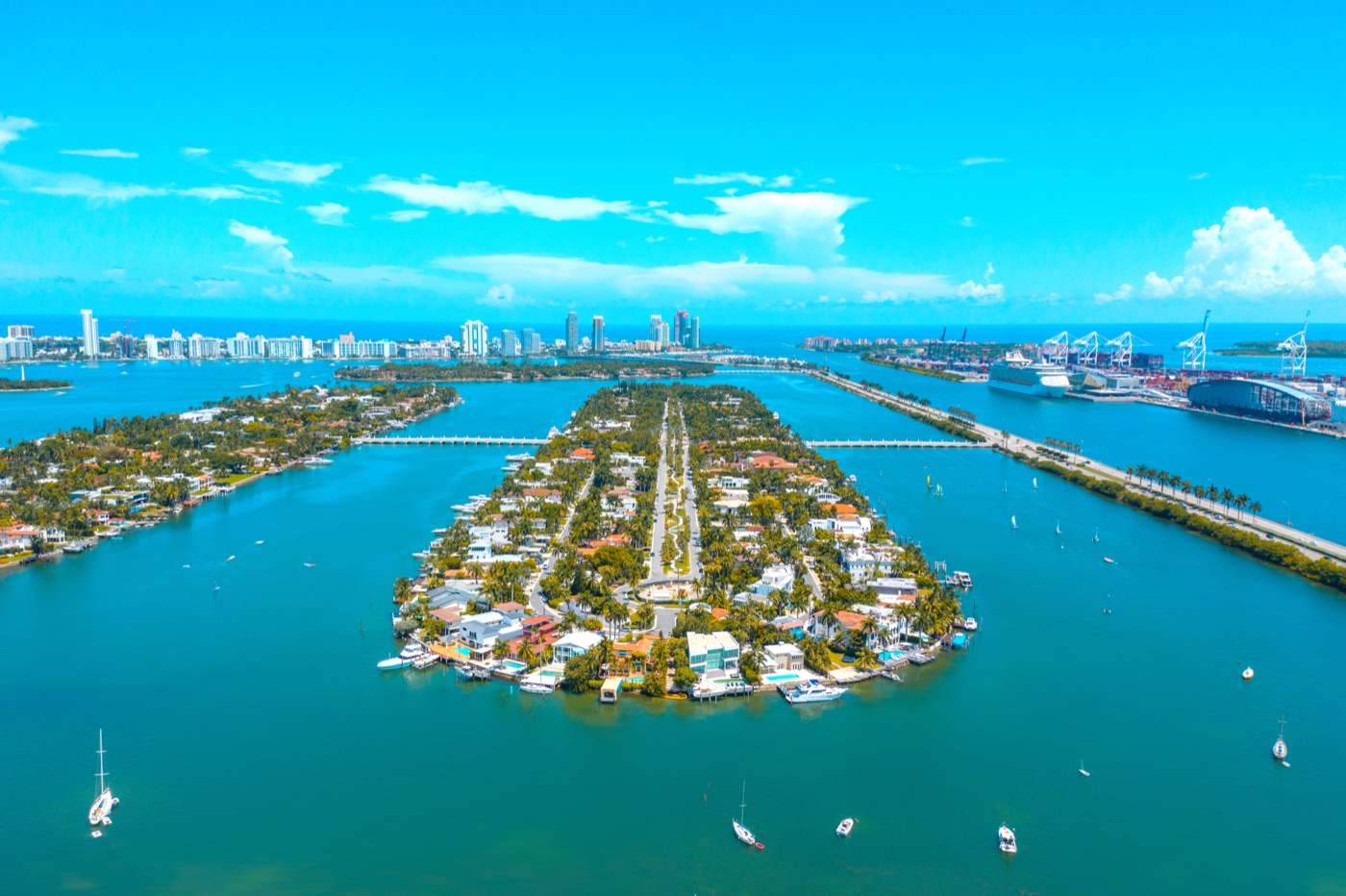
Miami is one of the few cities in the world where outdoor living is not a seasonal bonus. It is a daily reality. When I sit down with buyers who are serious about purchasing a luxury condo here, the conversation almost always turns to the balcony or terrace, and for good reason. The outdoor space attached to a unit can represent thousands of dollars in value, significantly change how the unit feels on a day-to-day basis, and in some buildings, come with rules that limit what you can actually do with it.
In my experience working with buyers across Brickell, Edgewater, Sunny Isles Beach, Miami Beach, and Bal Harbour, I have seen buyers fall in love with a view and forget to ask the right questions about the space attached to it. That oversight can cost them later, whether it shows up as resale friction, HOA fines, or the simple frustration of realizing they cannot set up the outdoor furniture they had in mind.
This guide covers everything you need to evaluate when it comes to balconies and outdoor living in a Miami luxury condo. From understanding square footage and structural classifications to HOA rules, furniture restrictions, and how outdoor space actually affects resale value, I want you to go into your purchase with a complete picture.
Ready to Find Your Miami Condo With the Perfect Outdoor Space?
I help buyers across Brickell, Sunny Isles, Miami Beach, and Coconut Grove find the right unit at the right price. Hablamos Espanol. Call (954) 833-0020 today.
Call (954) 833-0020Why Outdoor Space Carries So Much Weight in Miami
Miami averages roughly 249 sunny days per year. That number matters when you are evaluating real estate because it means a well-designed balcony or terrace is usable almost every morning of the year. For a buyer coming from New York, Boston, or Chicago, this can feel like a revelation. For buyers relocating from Latin America, particularly from cities like Bogota, Mexico City, or Buenos Aires where outdoor space is already a lifestyle priority, it is a non-negotiable.
I work with a lot of Latin American clients, and Hablamos Espanol in our office because we want every client to be able to ask these detailed questions clearly and confidently. The outdoor space conversation is one where language precision really matters. The difference between a terrace that adds 400 square feet of usable area and a narrow Juliet balcony that barely fits two chairs is enormous, and that distinction does not always translate well across a language barrier if the agent is not paying close attention.
From a pure investment standpoint, outdoor space in a Miami luxury condo typically adds between 20 and 40 percent of its interior square footage value to the unit's overall price, depending on the building and the view. A 400-square-foot wrap terrace in a Brickell high-rise with a Biscayne Bay view is not priced the same as a 400-square-foot terrace facing another building on the west side. The orientation, the view, and the usability all factor into the math.
Explore on rangelyadames.com
Types of Balconies and Terraces You Will Encounter in Miami
Not all outdoor spaces are created equal, and the terminology matters more than most buyers realize. Here is a breakdown of the most common types I encounter across Miami luxury buildings.
A standard balcony is a cantilevered or structurally supported platform that extends from the unit. In most Brickell and Edgewater towers built after 2000, you will see balconies that range from about 80 to 200 square feet. They are deep enough for a small dining table and a couple of lounge chairs, but not much more. They are fully exposed to wind and rain, which in Miami means you will deal with salt air corrosion on furniture and fixtures over time.
A terrace is generally a larger outdoor space, often found on lower floors where the building setbacks from the floor below create a flat, open-air area. Terraces can run from 300 to over 1,000 square feet in buildings like the Four Seasons Residences in Brickell or the Faena House in Mid-Beach. These are the units where you actually see outdoor kitchens, hot tubs, and full dining sets. They represent a genuinely different lifestyle and a genuinely different price point.
A loggia is a partially covered outdoor space, often recessed into the building's footprint rather than extending outward. Some buyers prefer loggias because they provide shade and shelter from afternoon rain without sacrificing the open-air feeling. In Coral Gables luxury condos and some Coconut Grove properties, you see this design more frequently than in the glassy high-rises of Sunny Isles Beach.
A Juliet balcony is essentially a glass or metal railing at a full-height door or window. There is no usable outdoor floor space. It provides natural ventilation and a view, but you cannot step outside. I always flag these clearly for buyers because listing descriptions sometimes use the word balcony loosely, and a buyer expecting to have coffee outside every morning needs to know what they are actually getting.
HOA Rules That Govern What You Can Do on Your Balcony
This is the section most buyers skip, and it is the one that causes the most frustration after closing. Every luxury condo in Miami has a declaration of condominium and a set of rules and regulations that spell out exactly what owners can and cannot do on their balconies. I review these documents carefully during due diligence for every single buyer I represent.
Common restrictions I see across buildings in Brickell, Aventura, and Sunny Isles Beach include prohibitions on gas grills, restrictions on the type and color of outdoor furniture visible from the exterior, rules about hanging anything from railings including towels, plants, or decorations, and limitations on the weight of planters or pots placed near the railing line.
Some buildings, particularly newer ultra-luxury towers like Aston Martin Residences in downtown Miami or the Residences at Mandarin Oriental on Brickell Key, have detailed aesthetic guidelines. They want the building's facade to look consistent from the outside, so your outdoor furniture choices are not entirely your own. I have worked with buyers who wanted to install a full outdoor kitchen on a large terrace only to discover the building did not permit any permanent outdoor cooking structures. That is the kind of detail that needs to come out before you are under contract, not after.
Smoking restrictions are also common and have expanded significantly in recent years. Many buildings now prohibit smoking of any kind on balconies, citing secondhand smoke migration into neighboring units. If this matters to you as a buyer or as a concern you have about neighboring units, ask the question directly and get the answer in writing before you close.
Orientation, Floor Level, and the View Equation
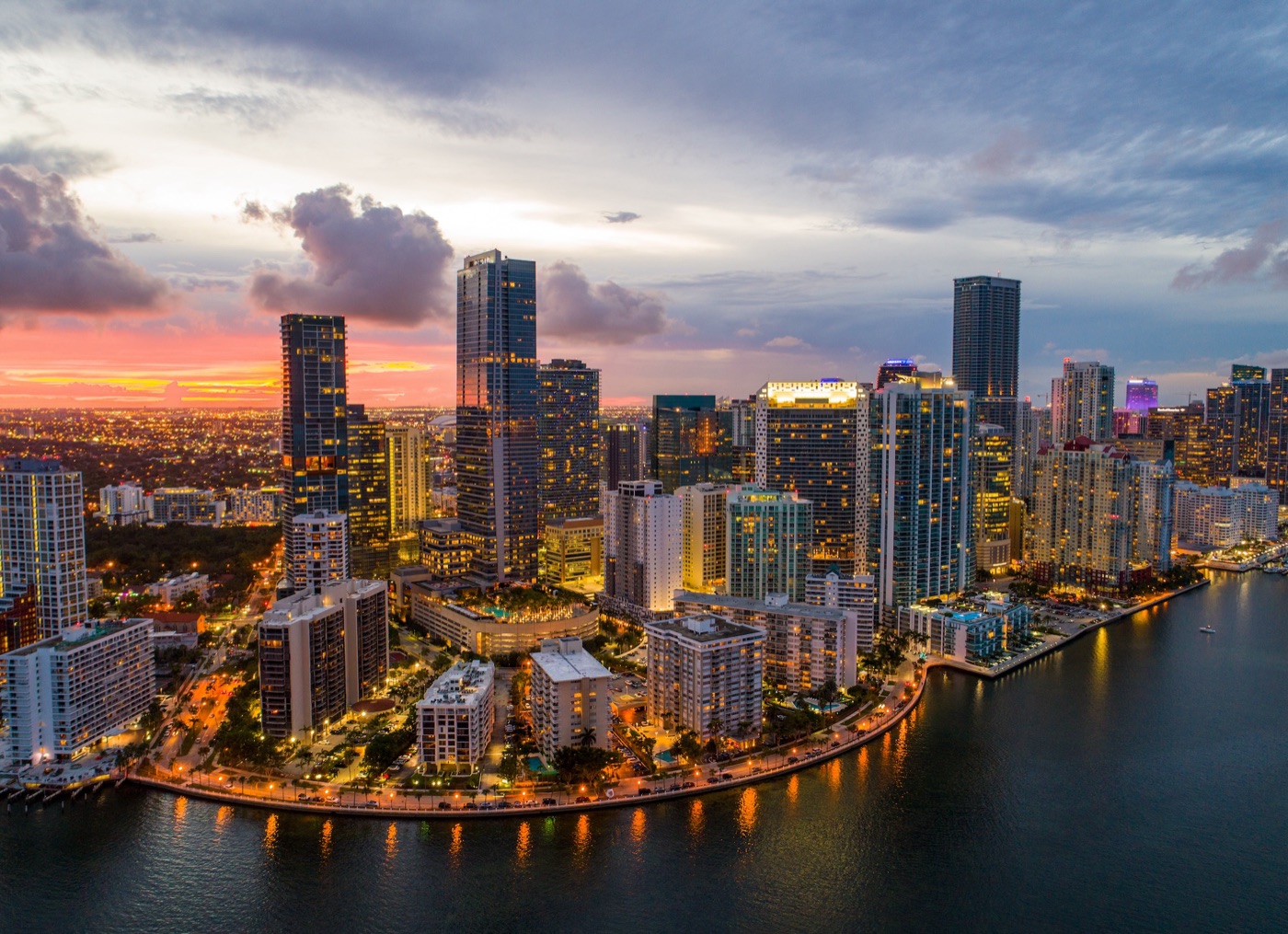
The direction your balcony faces matters enormously in Miami, both for comfort and for value. South and southeast-facing balconies get sun most of the day, which is beautiful in December and January but can make an outdoor space nearly unusable on summer afternoons when temperatures and UV index are both extreme. East-facing balconies catch the morning sun and are typically shaded by midday, which many buyers find more livable for daily outdoor use.
West-facing balconies offer dramatic sunset views over the Miami skyline or the Everglades horizon, and buyers frequently pay a premium for them. However, late afternoon western exposure from May through September means your balcony can feel like a furnace between 3 and 7 PM. I always walk clients through this seasonal reality because it affects how they will actually use the space.
Floor level plays a role in several ways. Lower floors in oceanfront buildings in Bal Harbour or Sunny Isles Beach can mean more privacy and less wind, but also potentially more noise from pool decks or street level. Higher floors offer better views and stronger breezes, but wind load increases significantly above the 30th floor, and in Miami that means furniture can become a safety hazard during afternoon storms if it is not properly weighted or secured. Several buildings above the 40th floor have policies requiring owners to bring all lightweight furniture indoors when a tropical storm or hurricane watch is posted.
The view attached to the outdoor space is where the real pricing differentiation happens. A direct ocean view from a Sunny Isles Beach tower adds roughly 15 to 25 percent to a unit's value compared to a comparable unit with a city or intracoastal view. On Brickell Key, units with a clear Biscayne Bay view from the balcony can command $200 to $400 more per square foot than units facing the mainland. These are not small numbers at the luxury price level.
What to Look for During a Showing
When I take a buyer to view a luxury condo, the balcony walkthrough is structured, not casual. There are specific things I want to assess, and I encourage buyers to be present and engaged during this part of the showing rather than staying inside looking at the kitchen finishes.
Here is what I look at during every balcony inspection:
Key items to evaluate on any Miami luxury condo balcony:
- Railing condition and height: look for rust stains, loose fittings, or any sign of concrete spalling near the base of the railing posts
- Drainage: check the floor drain location and condition, standing water on a balcony is a sign of a clogged or improperly sloped drain
- Salt air damage on any existing fixtures, light fittings, or door hardware, this tells you how well the current owner has maintained the space
- The depth of the balcony measured from the glass to the railing, anything under 6 feet is difficult to furnish comfortably
- Overhead coverage from the unit above, partial coverage protects furniture and allows use during light rain
- Wind exposure at the actual floor level, step to the railing and note the wind intensity, upper floors can be significantly windier than the lobby suggests
- Noise from neighboring balconies and below, spend at least five minutes out there during the showing to get a real sense of the sound environment
- The view from a seated position, not just standing, because you will spend most of your time sitting
Outdoor Living and Building Recertification Considerations
Since the passage of Florida Senate Bill 4-D following the Surfside tragedy in 2021, building recertification standards have become a much more active part of the Miami condo conversation. Balconies and terraces are structural elements, and their condition is included in milestone inspection reports for buildings that are 30 years old or older.
For buyers looking at resale condos in older buildings in Miami Beach, particularly in the South of Fifth area, Mid-Beach, or older towers along Brickell Avenue, I strongly recommend reviewing the most recent milestone inspection report and the structural integrity reserve study. If the balconies or terraces show deferred maintenance, concrete restoration work, or waterproofing issues, that cost will eventually be passed to owners through special assessments or reserve contributions.
I have seen cases in Edgewater and Miami Beach where buyers fell in love with a unit's outdoor space, only to discover that the building had a pending balcony restoration project estimated at several thousand dollars per unit. That is not a deal-breaker necessarily, but it needs to be priced into the offer. My job is to make sure you know about it before you make an offer, not after.
New construction buildings in Brickell and Sunny Isles Beach built after 2015 generally use higher-grade concrete mixes, improved waterproofing membranes, and stainless steel or fiber-reinforced rebar to reduce salt air corrosion. This matters for long-term maintenance costs and for the condition of the outdoor space over a 10 to 15 year ownership horizon.
Resale Value and How Outdoor Space Affects Your Exit Strategy
I work with a lot of investors and second-home buyers who are thinking about resale from day one, and outdoor space is one of the most reliable value drivers in the Miami luxury condo market. Buyers who purchase a unit with a strong outdoor space in a well-maintained building tend to have a faster and easier time selling when the time comes.
In my experience, units with large terraces or wraparound balconies in buildings like SLS Lux in Brickell, Porsche Design Tower in Sunny Isles, or Grove at Grand Bay in Coconut Grove attract a buyer pool that is specifically looking for that outdoor lifestyle component. That buyer pool does not disappear during slow market periods the way that some buyer pools do. Luxury buyers with large budgets who want outdoor living will continue to seek that product regardless of broader market cycles.
One thing I caution sellers on is over-customizing an outdoor space in a way that does not appeal broadly. I have seen terraces that were fully turfed with artificial grass, enclosed with floor-to-ceiling planters, or fitted with elaborate outdoor audio systems that the seller valued highly but that required significant cost to remove. When the next buyer comes along, those customizations can become a negotiating point in the wrong direction. Keep outdoor spaces clean, well-maintained, and neutral enough that the next buyer can see themselves there.
If you are considering a Miami luxury condo purchase and want to talk through specific buildings, floor plans, and outdoor space options in any of the neighborhoods I have mentioned, I am happy to walk through the numbers with you. Call me at (954) 833-0020 and we can start that conversation.
Practical Tips for Maintaining Your Miami Condo Balcony
Once you own the unit, maintaining the outdoor space properly protects both your enjoyment and your investment. Miami's climate is aggressive. Salt air, UV exposure, humidity, and intense summer storms all work against outdoor finishes and furniture. The owners I see with the best-looking and best-maintained balconies after five to ten years of ownership all follow a consistent routine.
First, choose materials designed for marine environments. Teak, powder-coated aluminum, all-weather wicker with aluminum frames, and high-density polyethylene are all appropriate choices. Wrought iron and standard stainless steel will show corrosion within a few years on an oceanfront property. Second, apply a UV-protective sealant to any wood surfaces annually. The Miami sun will bleach and crack untreated wood remarkably quickly. Third, flush the balcony drain monthly and after any major storm to prevent pooling and water intrusion into the unit below.
Cleaning the glass railings and balcony floor regularly makes a real difference in how the space feels. Salt residue accumulates quickly in oceanfront buildings and can etch into glass over time if not removed. Most building management teams offer periodic facade cleaning, but the responsibility for the individual balcony surface falls to the owner. Fourth, check the caulking around any door thresholds and balcony floor-to-wall connections once a year. This is the most common point of water intrusion in high-rise condos, and catching a failing caulk joint early costs very little to fix.
I encourage every buyer I work with to budget approximately $1,500 to $3,000 per year for outdoor space maintenance in a luxury building, depending on the size of the terrace and the proximity to salt water. That number tends to surprise people, but it reflects what the best-maintained units actually spend to keep their outdoor space in the condition that commands top dollar at resale.
If you are ready to explore Miami luxury condos with the right outdoor living setup for your lifestyle and budget, reach out to me directly. Hablamos Espanol, and I work with buyers and investors from across the United States and Latin America. Call (954) 833-0020 to set up a showing or a strategy conversation.
Let's Talk Miami Luxury Condo Outdoor Living
Whether you are buying your first Miami condo or adding to an investment portfolio, I bring the local knowledge and building-by-building detail you need. Call (954) 833-0020 and let's get started.
Related Articles
September 28, 2026 · 10 min read
Argentine Buyers Guide to Miami Real Estate: Process, Financing Themes, and Neighborhood Fit (2026)
Buying Miami real estate from Argentina is workable when you separate what your agent coordinates from what your attorney, CPA, and lender decide. This support guide walks through the process, financing themes, remote closing, and neighborhood fit, then points you to the Argentina foreign-buyer hub for next steps.
Read article →February 2026 · 9 min read
Aventura Real Estate Guide: Condos, Schools & Lifestyle (2026)
Luxury high-rises, top-rated schools, and the Aventura Mall — why families and investors love this North Miami suburb.
Read article →February 2026 · 9 min read
Airbnb Investment Properties in Miami: Rules, ROI & Best Areas
Short-term rental regulations, income projections, and the best Miami neighborhoods for Airbnb investing.
Read article →