Penthouse vs. High-Floor Condo in Miami: Which One Is Right for You? (2026)
By Rangely Adames • July 2026 • 11 min read
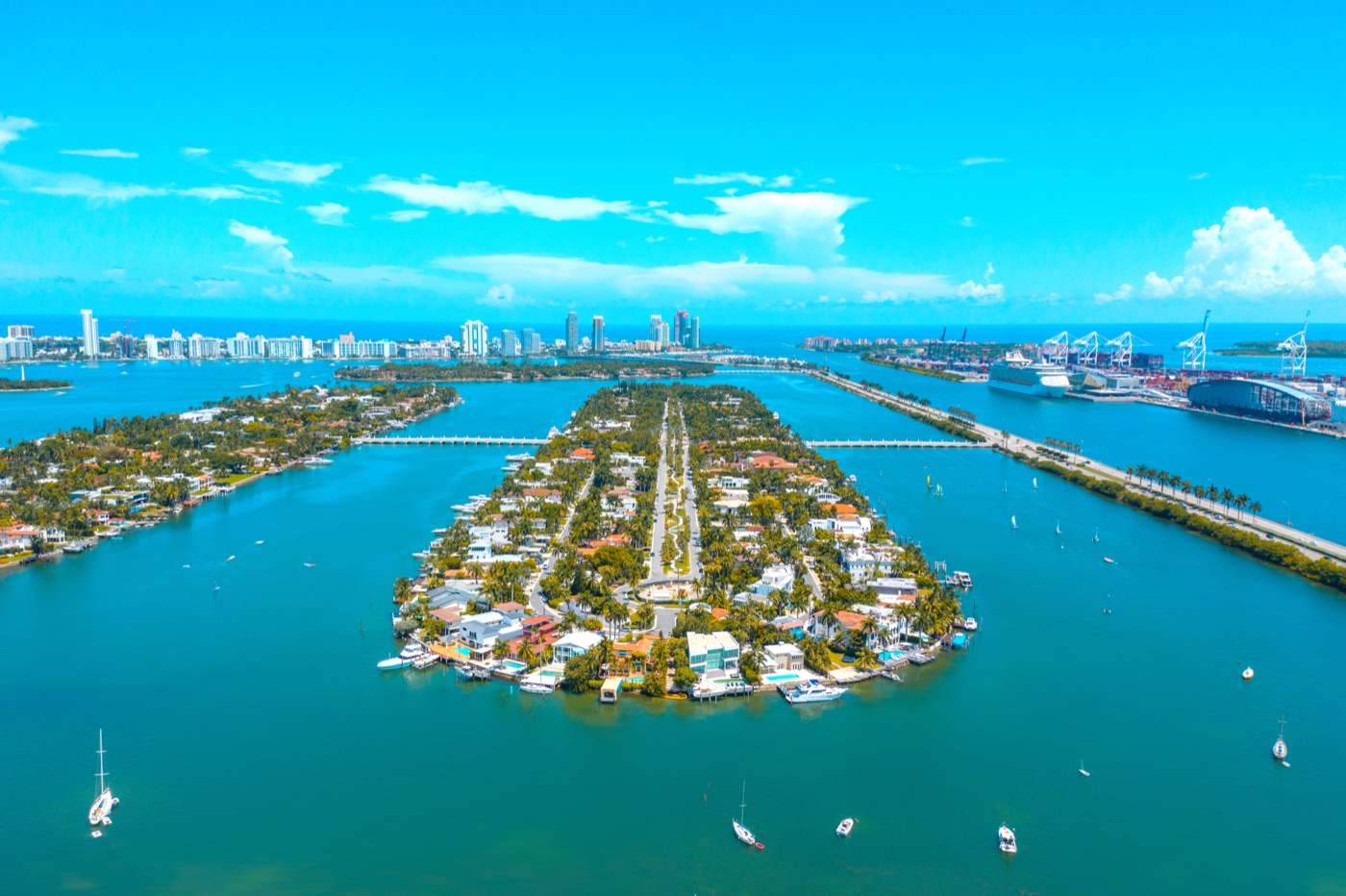
One of the most common conversations I have with buyers looking at Miami's luxury condo market is the penthouse versus high-floor debate. Both options sit at the top of the building food chain, and both carry a premium price tag, but they are genuinely different products. The lifestyle, the costs, the maintenance responsibilities, and the resale dynamics are not the same, and choosing the wrong one for your situation is a mistake that is very hard to reverse without losing money.
I work with buyers across Brickell, Sunny Isles Beach, Edgewater, Miami Beach, and Bal Harbour, and I see this question come up whether someone is spending $1.5 million or $15 million. The good news is that once you understand what you are actually buying in each scenario, the right answer for your needs becomes much clearer. In this post I am going to walk you through the real differences, the real numbers, and the real trade-offs so you can walk into any building with a clear picture.
A quick note before we dive in: I serve a large number of Latin American clients and I want every buyer to feel comfortable navigating this process. Hablamos Espanol, and you are always welcome to call my office at (954) 833-0020 to talk through any of this in whichever language is most comfortable for you.
Ready to Compare Buildings Side by Side?
I work with buyers across every price point in Miami's luxury market and I am happy to walk you through the real numbers on any building you are considering. Hablamos Espanol. Call (954) 833-0020 to get started.
Call (954) 833-0020How Miami Buildings Define Penthouse
The word penthouse gets used loosely in Miami real estate marketing, so the first thing I always clarify with clients is what the building actually means by the term. In the most traditional sense, a penthouse occupies the top floor or top two floors of a building, often with a private rooftop terrace, private elevator access, and ceiling heights that are noticeably taller than every other unit in the building. At a project like Residences by Armani Casa in Sunny Isles or Aston Martin Residences in Downtown Miami, a true penthouse is a unique, one-of-a-kind unit with architectural features found nowhere else in the building.
Some Miami buildings use the term more loosely and apply the penthouse label to the top three or four floors, even when those units share the same floor plate as the floors below. In buildings like this, you are really buying a high-floor unit with a penthouse price. It is not necessarily a bad buy, but you need to know the difference before you negotiate.
When I am representing a buyer, I always pull the original building permits, the floor plans for the designated penthouse versus the floors just below, and the HOA documents to see whether the penthouse designation comes with any additional rights, like exclusive rooftop access or a private pool. Sometimes those rights are real and significant. Sometimes they exist only in the marketing brochure.
Explore on rangelyadames.com
The Real Price Gap Between Penthouses and High-Floor Units
Let me give you some real context. In Brickell, a well-positioned high-floor unit on floors 40 through 50 in a building like Brickell Heights or SLS Lux might list in the range of $1,200 to $1,600 per square foot depending on the line and view. A true penthouse in the same building or a comparable one nearby can jump to $1,800 to $2,800 per square foot or higher, depending on whether there is a private pool, an expanded terrace, or double-height ceilings.
In Sunny Isles Beach, which is one of the most competitive luxury corridors in South Florida, high-floor units at Porsche Design Tower or Regalia typically trade between $1,500 and $2,200 per square foot. The penthouses at those same buildings, when they come available, have sold at $3,000 per square foot and above. The Regalia penthouse sold at a price that put it among the highest price-per-square-foot transactions in Florida history.
The gap is real, and it is not just marketing. A true penthouse in Miami carries a scarcity premium that high-floor units simply do not. There is one penthouse per building. There might be 20 or 30 units on the high floors. That scarcity matters both when you buy and when you eventually sell.
For buyers with a firm budget, I sometimes recommend looking at the second-to-top floor or sub-penthouse lines instead. In many Miami buildings, these units trade at 10 to 20 percent less than the penthouse floor while offering nearly identical views and often the same finishes.
Views: What You Actually See From Each Level
Views are the single biggest emotional driver in this decision, and they deserve an honest conversation. In Miami, the two most desirable view orientations are east-facing ocean views and west-facing bay and city sunset views. North-facing units looking toward Aventura or the Intracoastal can also be compelling, especially in buildings on the barrier islands.
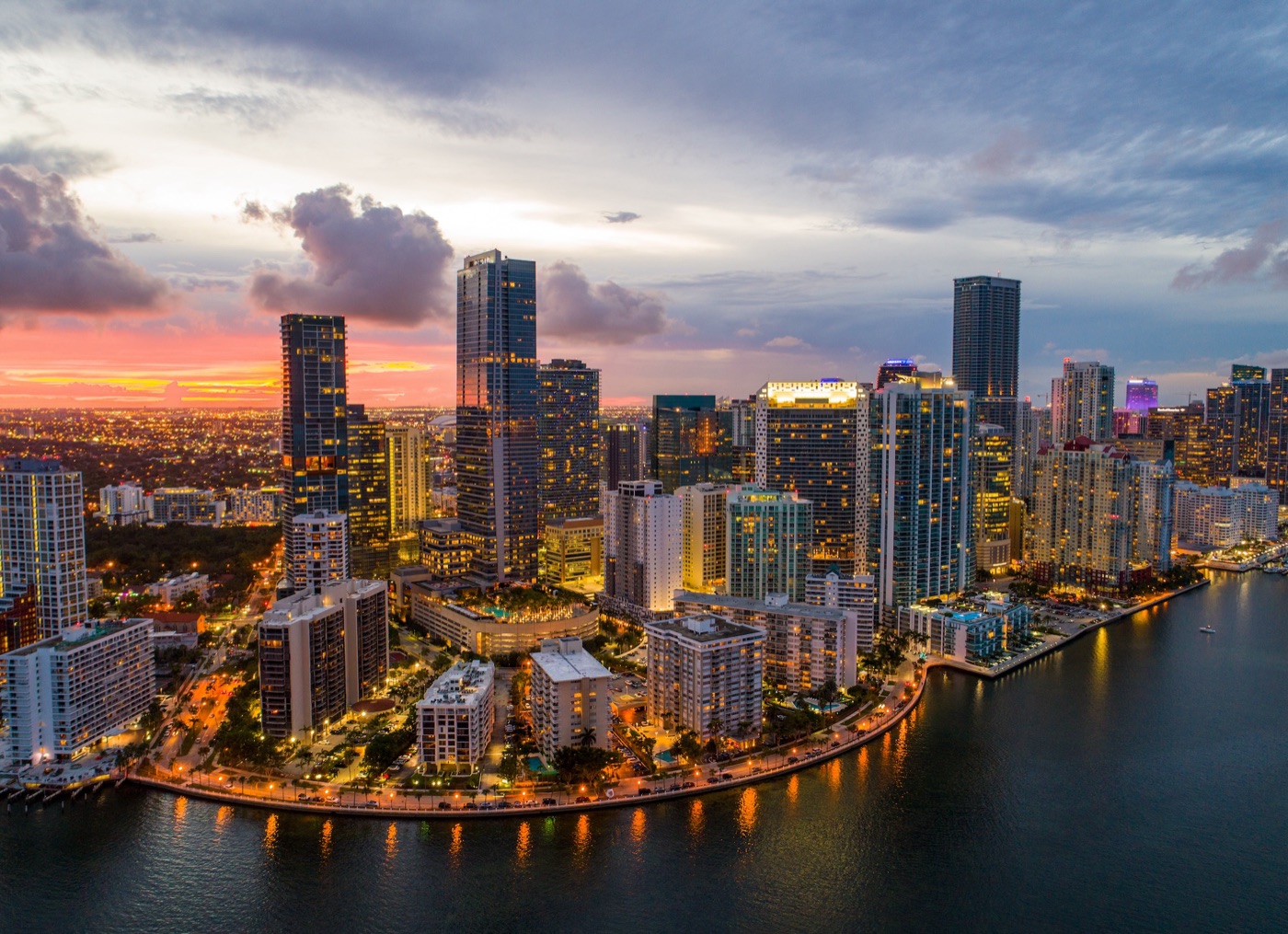
From a high floor in a building like Aria on the Bay in Edgewater or One Thousand Museum in Downtown Miami, you are typically 40 to 55 floors up. At that height, your views are exceptional by any standard. You can see Biscayne Bay clearly, watch cruise ships move through Government Cut, and see the Miami Beach skyline at night.
What changes at penthouse level is often less about the view distance and more about the absence of obstructions and the sense of physical exposure to the sky. Penthouses with wrap-around terraces give you a 180 or even 270-degree visual field. You are not looking through a window. You are standing outside in the sky. That experience is meaningfully different from sitting in a living room on floor 45, even if the geographic view is similar.
In my experience, buyers who spend the most time entertaining outdoors tend to find the penthouse terrace experience worth the premium. Buyers who primarily want a beautiful backdrop for their interior living space often find a high-floor unit completely satisfying at a much lower cost.
Maintenance Costs and HOA Fees at the Top
This is the area where I see buyers most frequently underestimate their ongoing costs. Both penthouses and high-floor units carry HOA fees, but penthouses carry them at a different scale.
In most Miami luxury buildings, HOA fees are calculated based on square footage. A penthouse unit at Brickell's 1000 Museum, which can span 8,000 to 10,000 square feet across multiple levels, will carry an HOA fee that reflects that size. Fees in that range can run $5,000 to $12,000 per month, and that is before any special assessments that the building may levy for capital improvements or the structural recertification requirements that became more common after 2021.
High-floor units in the same buildings, typically ranging from 1,800 to 4,000 square feet, might carry HOA fees of $2,500 to $6,000 per month. Still significant, but more manageable relative to the purchase price.
Penthouses also tend to carry higher individual maintenance costs because of features that are unique to them. Private rooftop pools require separate maintenance contracts. Large terraces with planters, outdoor kitchens, and pergola structures need regular upkeep. Private elevators require their own service agreements. I always advise penthouse buyers to budget an additional $30,000 to $80,000 per year for unit-specific maintenance beyond what the building covers.
Property taxes are the other number to keep in mind. Miami-Dade County taxes are assessed at the county appraiser's estimate of market value, currently at a millage rate of roughly 19 to 22 mills depending on your municipality. On a $5 million penthouse, that translates to roughly $95,000 to $110,000 in annual property taxes without a homestead exemption. Florida's homestead exemption can reduce your assessed value by $50,000 and cap annual increases at 3 percent if you claim the property as your primary residence, which makes it a critical step for any buyer planning to live in the unit full time.
The Lifestyle Differences That Actually Matter Day to Day
Beyond the numbers, there is a real lifestyle difference between living in a penthouse and living on a high floor, and I think it is worth being direct about it.
Penthouse living in Miami means you have more space, more privacy, and more responsibility. The private terrace is extraordinary for entertaining, but you are also responsible for cleaning it, maintaining the plants and outdoor furniture, and dealing with the fact that wind at that elevation is genuinely strong. Glass furniture and lightweight items are not practical. Awnings and shade structures require hurricane-rated hardware. These are not dealbreakers, but they are real considerations.
High-floor living is, in many ways, a more turnkey experience. You ride the elevator to your floor, you have your view, and the building handles virtually all of the exterior. You do not manage a rooftop pool. You are not responsible for the structural integrity of a private terrace. For buyers who travel frequently, maintain multiple residences, or simply prefer a lower-maintenance lifestyle, a high-floor unit is often the smarter fit.
I have clients who bought penthouses and absolutely love the lifestyle. I have other clients who looked at penthouses seriously and ultimately chose a high-floor unit one or two floors below because the maintenance complexity was not something they wanted to take on. Both groups made the right call for themselves, and that is the point of this exercise.
Key Questions to Ask Before You Choose
Before making a decision of this magnitude, I walk every client through a set of specific questions that help clarify which direction makes sense for their goals and their life. Here is the list I use:
Ask yourself these questions before committing to either a penthouse or a high-floor unit in Miami:
- How many days per year will I actually be in the unit? Frequent travelers often do better with high-floor units that require less ongoing management.
- Do I plan to entertain outdoors regularly, or is the view primarily a backdrop for interior living?
- What is my true all-in annual budget, including HOA, property taxes, insurance, and unit-specific maintenance?
- Am I buying for personal use, as a rental investment, or as a long-term wealth-building asset? Each goal changes the calculus.
- Does the building's penthouse carry exclusive amenities or rights that genuinely add value, or is it primarily a higher floor with a different label?
- What is the building's rental policy, and if I want to rent the unit, does the penthouse rent at a premium that justifies its higher purchase price?
- Have I reviewed the building's most recent structural recertification report and reserve fund study? For older buildings, this can significantly affect future special assessment risk.
- Is the penthouse a two-story unit with an internal staircase? If so, am I comfortable with stairs as a regular part of daily life in the unit?
Resale Value and Liquidity: Which Holds Up Better
This is one of the most important practical questions, and the answer is more nuanced than most people expect.
True penthouses in marquee Miami buildings have historically held their value extremely well and in some cases appreciated faster than the rest of the building during strong market cycles. Between 2020 and 2023, Miami saw significant appreciation across all luxury segments, but the penthouse market in Sunny Isles, Brickell, and Miami Beach moved at an outsized pace because of the combination of scarcity and demand from high-net-worth buyers relocating from New York, California, and Latin America.
The trade-off for penthouses is liquidity. Because there is only one per building and because the buyer pool for a $10 million to $30 million penthouse is genuinely smaller than the pool for a $2 million high-floor unit, penthouses can sit on the market longer when conditions soften. In my experience, a well-priced high-floor unit in Brickell or Edgewater can move in 30 to 60 days in a balanced market. A penthouse in the same building might take 90 to 180 days to find the right buyer even when it is priced correctly.
For buyers who prioritize flexibility and the ability to exit quickly if their circumstances change, high-floor units carry a real advantage in liquidity. For buyers with a longer time horizon who are focused on wealth preservation and the appreciation of a truly scarce asset, the penthouse argument is compelling.
One more data point worth knowing: in Miami's luxury condo market, units above the 30th floor in prime buildings have appreciated at an average of 6 to 9 percent annually over the past decade when measured from trough to peak cycles. Penthouses in those same buildings have averaged 8 to 12 percent during the same periods, but with more volatility in the interim.
Which Miami Buildings Offer the Best Value at Both Levels
I get asked this constantly, and while I always tailor my answer to each client's specific needs, there are a handful of buildings across Miami where I think the value proposition is particularly strong right now for both categories.
In Brickell, Aston Martin Residences delivered its first residents in 2024 and has an exceptional penthouse product with automotive-inspired design and a full-floor layout. High-floor units in the building have been trading at competitive prices relative to the overall Brickell market, and the location directly on Brickell Key Drive with Biscayne Bay frontage makes the views genuinely special from the mid-floors up.
In Sunny Isles Beach, the Porsche Design Tower is a perennial standby for this conversation. The car elevator concept means that even a mid-floor unit offers an experience that is categorically different from a standard building, and the true penthouses here have a track record of strong resale performance.
In Edgewater, which is one of the neighborhoods I am most bullish on right now, Missoni Baia and Elysee both offer high-floor units with direct bay views at price points that still feel reasonable compared to Brickell and Miami Beach. The penthouse inventory in Edgewater is limited, which creates opportunity for buyers who move early.
In Bal Harbour and Miami Beach, the Four Seasons Residences at the Surf Club and Faena House are buildings where I have seen strong performance at both the penthouse and high-floor levels, driven by the hotel branding, the service model, and the prestige of the address.
Every one of these buildings has a different HOA structure, a different rental policy, and a different reserve fund situation. I review all of that with my clients before we make any offers. If you want to talk through a specific building or a specific unit you have seen listed, call me at (954) 833-0020 and I am happy to pull the numbers with you.
Let's Find the Right Unit for Your Goals
Whether you are drawn to a penthouse or a high-floor unit, the right choice depends on your lifestyle, your budget, and your exit strategy. Call me at (954) 833-0020 and let's figure it out together.
Related Articles
February 2026 · 9 min read
Aventura Real Estate Guide: Condos, Schools & Lifestyle (2026)
Luxury high-rises, top-rated schools, and the Aventura Mall — why families and investors love this North Miami suburb.
Read article →February 2026 · 9 min read
Airbnb Investment Properties in Miami: Rules, ROI & Best Areas
Short-term rental regulations, income projections, and the best Miami neighborhoods for Airbnb investing.
Read article →July 2026 · 10 min read
Bay Harbor Islands Real Estate Guide: Homes, Condos & Market (2026)
Waterfront homes with private docks, boutique condos, and a top-rated K-8 school make Bay Harbor Islands one of Miami's best-kept secrets. A bilingual 2026 buyer guide with prices and consejos para compradores. Hablamos Espanol.
Read article →