Water Damage and Mold in Miami Condos: What Buyers Need to Know (2026)
By Rangely Adames • November 2026 • 11 min read
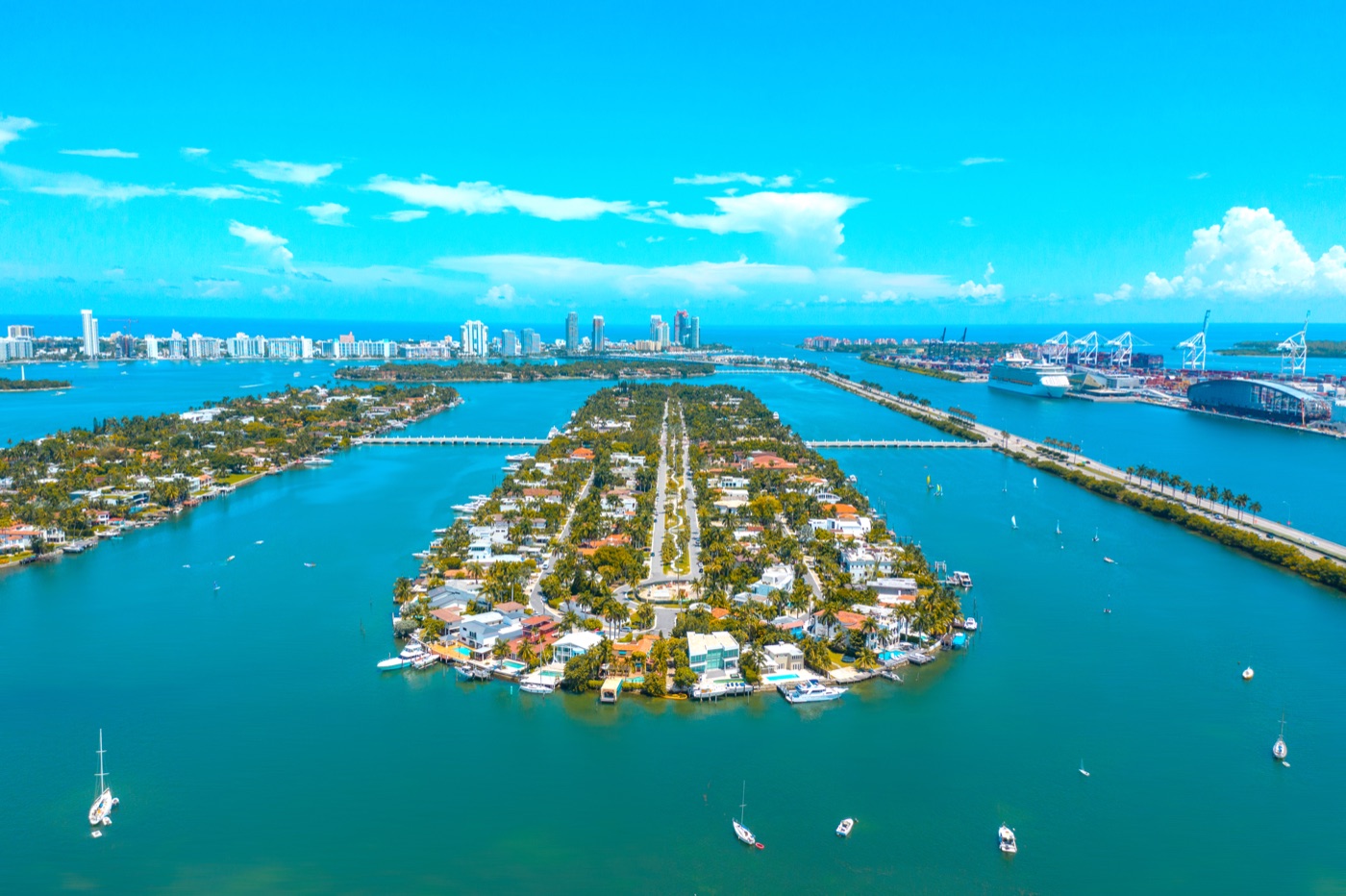
Miami is a city built on water. Biscayne Bay wraps around Edgewater and Brickell. The Atlantic is steps from Sunny Isles Beach and Miami Beach. That proximity is exactly why people move here, and it is also why water is the single biggest variable I ask my buyers to investigate before they fall in love with a unit. Water intrusion and mold are not rare edge cases in South Florida. They are routine concerns in buildings of every age and price point, from an older low-rise in Coconut Grove to a glass tower in Brickell.
In my work with buyers across Miami-Dade and Broward, I have seen gorgeous renovated units that were hiding moisture problems behind fresh drywall, and I have seen buildings where the association had already repaired the envelope properly and kept thorough records proving it. The difference between those two situations comes down to how thoroughly a buyer investigates before making an offer. That investigation is not just about hiring an inspector, though that matters a great deal. It is about understanding what questions to ask, what documents to request, and what professionals to involve.
This guide walks through everything I discuss with my buyers when water damage or mold is a potential concern. If you are buying in Miami and want to talk through a specific building or neighborhood, call me at (954) 833-0020. I am happy to walk you through the process, and I work with clients in both English and Spanish. Hablamos Espanol.
Have Questions About a Specific Miami Building?
I work with buyers in both English and Spanish across Miami-Dade and Broward. Hablamos Espanol. Call (954) 833-0020 to discuss any building or unit you are considering.
Call (954) 833-0020Sunland Real Estate LLCWhy Miami's Climate Makes Water Intrusion a Serious Risk
Florida's subtropical climate means high humidity virtually every month of the year. During the summer rainy season, which typically runs from June through October, Miami can receive heavy rainfall in short, intense bursts. That water has to go somewhere, and when a building's windows, roof, balcony waterproofing, or pipe systems have any weakness, it finds a way in.
Salt air compounds the problem. Buildings near the ocean in Miami Beach, Bal Harbour, Key Biscayne, and Sunny Isles Beach face constant salt exposure that degrades window seals, concrete, and metal hardware faster than you might expect. Even buildings a few miles inland are not immune, because prevailing winds carry salt particles well beyond the shoreline.
The result is that water intrusion in Miami condos can come from multiple directions at once: rain driving horizontally through a compromised window frame, moisture wicking up through a slab, a failed balcony membrane that lets water travel into the unit below, or a corroded pipe fitting inside a wall. Understanding these different sources helps you ask smarter questions during due diligence.
Explore on rangelyadames.com
How Mold Grows and Why It Matters for Buyers
Mold needs three things to thrive: moisture, a food source such as drywall or wood, and warmth. Miami provides warmth year-round, so the moment moisture enters a wall cavity or sits under flooring, mold can begin to colonize within a matter of days. That is not a scare tactic. It is biology, and it is why moisture intrusion that goes unaddressed for even a short time can turn into a remediation project.
From a real estate perspective, mold matters for several reasons. First, there are legitimate health concerns for occupants, particularly for people with respiratory sensitivities. Second, lenders increasingly require mold inspections or clearance letters before funding loans on affected units. Third, mold that has migrated into the building structure, rather than sitting on a surface, requires licensed remediation contractors and can be expensive to address. If a seller has not disclosed known mold and you discover it after closing, you may have legal remedies, but that path is far slower and more stressful than catching the issue before you sign.
Florida law requires sellers to disclose known material defects, which includes known water intrusion and mold. That does not mean every seller fully understands what is in their own walls. Many owners have no idea a slow leak has been feeding a mold colony behind a bathroom cabinet. This is why your own investigation, independent of seller disclosures, is essential.
What a Standard Home Inspection Covers and What It Does Not
A licensed general home inspector will walk through the unit and look at accessible areas: visible plumbing, electrical panels, HVAC systems, appliances, ceilings, floors, and walls. They will note staining, bubbling paint, soft flooring, and other visual or tactile signs of past or current moisture. That inspection is the minimum baseline, and you should always get one.
However, a general inspection has real limits in a Miami condo. The inspector cannot open walls or access areas that are sealed off. They typically do not use thermal imaging cameras or moisture meters unless you specifically request and pay for those additional services. They are not licensed mold assessors and usually cannot collect air or surface samples for laboratory analysis.
For a Miami condo, especially one in a building with any known history of water issues or one that has undergone recent renovation, I strongly recommend hiring a separate licensed mold assessor in addition to your general inspector. A mold assessor can conduct air sampling, use thermal imaging to detect temperature differentials that suggest hidden moisture, and provide a written assessment that can be used to negotiate repairs or remediation credits. The cost of that additional inspection is minor compared to discovering a major mold problem after closing.
Building-Level Due Diligence: The Questions That Most Buyers Skip
Individual unit inspections only tell part of the story. In a condominium, the building envelope including the roof, exterior walls, windows in common areas, and balcony waterproofing is typically the association's responsibility, not yours. That means if the building has a systemic water intrusion problem, it can affect your unit even after you repair your own interior.
Here is what I guide my buyers to request and review at the building level before closing:
When you review these documents, pay close attention to any special assessments that have been levied for water-related repairs, any pending litigation involving water damage or construction defects, and the reserve fund balance for the building envelope and roof. A building that has deferred major waterproofing work and has thin reserves is a building that may issue a large special assessment after you move in. Verify the current reserve status with the association's financial documents, and consider having a Florida-licensed attorney or CPA review them before you commit.
When reviewing building-level documents, ask for and examine each of the following:
- The most recent building inspection reports, including any 40-year or 50-year recertification reports required by Miami-Dade County
- Minutes from the board meetings for the past two to three years, which often reveal discussion of water intrusion events, roof repairs, or balcony waterproofing projects
- The reserve study, which shows whether the association has set aside adequate funds for major envelope repairs
- Any outstanding special assessments or pending special assessments related to structural or water-related work
- The association's insurance certificate, specifically the building property coverage, to confirm it is active and covers the building envelope
- Any engineering or structural reports commissioned by the board in recent years
- Disclosure of any active or resolved litigation involving the building, its developer, or a contractor
Red Flags to Watch for During Your Walkthrough
Some signs of past or current water intrusion are visible to anyone who knows what to look for during a showing. I always encourage my buyers to slow down and look carefully rather than rushing through a unit focused only on the view and the finishes.
Staining or discoloration on ceilings and walls, even if it has been painted over, can indicate a past leak. Run your hand along the ceiling near exterior walls and around the perimeter of the balcony door. Soft or spongy drywall is a serious red flag. Check under sinks, inside bathroom vanity cabinets, and around the base of the toilet and shower for soft materials, staining, or musty odors. A musty smell anywhere in the unit, even faint, warrants investigation.
Look carefully at the balcony and any exterior windows. Gaps or cracking in the sealant around window frames, staining on the balcony ceiling from the unit above, or visible rust streaks on concrete can all indicate that water is getting in or has gotten in. In older buildings in neighborhoods like Miami Beach, Surfside, or Edgewater, these signs deserve extra scrutiny because deferred maintenance on aging concrete structures is a known issue throughout South Florida.
Fresh paint, new flooring, or a recent renovation is not automatically suspicious, but it does raise a question: what is underneath? Sellers who renovated before listing sometimes do so to address legitimate cosmetic issues, but sometimes a renovation covers up a repair that was not fully completed. This is where thermal imaging and moisture metering during your inspection become especially valuable, because they can detect moisture that is hidden beneath new surfaces.
What Happens When You Find a Problem: Negotiating Repairs and Credits
If your inspection or mold assessment reveals water damage or mold, you have several options, and which one makes sense depends on the severity and location of the problem. A minor, isolated issue that has already been properly repaired and cleared by a licensed remediator is very different from an active leak with untreated mold spreading through a wall cavity.
For minor, resolved issues, your agent can negotiate a seller credit at closing that reflects the cost to complete cosmetic repairs. For active or more significant problems, you can ask the seller to hire a licensed remediation contractor, complete the work, and provide a clearance report from a licensed mold assessor before closing. Some buyers prefer a price reduction so they can control the remediation process themselves after closing.
I work with my buyers to understand all three options and what the numbers look like in each scenario. The important thing is not to skip the negotiation step because you are eager to close. Florida law gives buyers specific inspection and due diligence periods, and those windows exist precisely so you can investigate thoroughly and make an informed decision. If a seller refuses to address a legitimate finding or negotiate in good faith, that tells you something important about how the relationship will go.
If you have questions about how to handle a specific situation you have encountered during due diligence on a Miami condo, call me directly at (954) 833-0020. Walking buyers through exactly this kind of decision is a core part of what I do.
Neighborhoods and Building Types That Deserve Extra Attention
Not every Miami building carries the same level of water-related risk. In my experience, certain combinations of location, building age, and construction type warrant a closer look during due diligence.
Older concrete residential buildings along Miami Beach, in Surfside, and in parts of Bal Harbour have faced well-documented scrutiny since the Champlain Towers collapse in 2021 raised awareness of deferred maintenance in aging concrete structures. Miami-Dade County now enforces milestone inspection requirements for older buildings, and many buildings in these areas are actively navigating recertification and repair projects. That does not mean you should avoid these buildings, but you should read every inspection and engineering report you can obtain before making a decision.
Waterfront buildings in Coconut Grove, Key Biscayne, and along the Brickell and Edgewater shorelines are exposed to wind-driven rain during storms, and balcony waterproofing is a recurring maintenance item. High-floor units in tall towers can experience window and curtain wall performance issues that allow water infiltration during strong weather events.
Newer construction is not automatically safer, either. Buildings completed in the past decade in Wynwood, Edgewater, and Downtown Miami are still recent enough that construction defect claims and warranty work are ongoing in some cases. Review board minutes carefully in newer buildings to see whether the association has been pursuing the developer for any construction-related defects.
Protecting Yourself After Closing: Insurance and Ongoing Maintenance
Buying a condo in Miami without an HO-6 policy is a serious risk that I always flag for my clients. The building's master insurance policy covers the structure and common areas, but your personal property, any improvements made to the unit, and liability within your unit are typically your responsibility. An HO-6 policy fills that gap.
Beyond the HO-6 policy, ask your insurance agent specifically about water damage coverage. Standard policies often exclude flood damage, which requires a separate flood insurance policy through the National Flood Insurance Program or a private insurer. If your building is in a FEMA-designated flood zone, your lender may require flood insurance as a condition of your mortgage. Even if it is not required, properties in low-lying areas of Miami Beach, Coconut Grove, and other neighborhoods near the bay or ocean can experience flooding during heavy rain events, and the cost of flood insurance is worth evaluating carefully.
Once you own the unit, stay ahead of maintenance. Recaulk window and door frames on a regular schedule. Have your HVAC system serviced regularly, because air conditioning systems produce condensation and a clogged drain line can lead to water intrusion inside the unit. Report any signs of water staining on your ceiling to the association immediately, because a slow drip from the unit above, left unaddressed, can cause significant damage over time.
Owning a Miami condo is an excellent choice for the right buyer who goes in with open eyes, asks the right questions, and builds a team of professionals including a knowledgeable agent, a thorough inspector, a licensed mold assessor, a Florida real estate attorney, and a good insurance agent. I am happy to help you build that team and guide you through every step of the process. Reach out at (954) 833-0020 or email info@rangelyadames.com, and visit rangelyadames.com/buyers-guide for additional resources.
Ready to Buy a Miami Condo With Confidence?
Call Rangely Adames at (954) 833-0020 or visit rangelyadames.com/buyers-guide to start your due diligence the right way.
Related Articles
September 28, 2026 · 10 min read
Argentine Buyers Guide to Miami Real Estate: Process, Financing Themes, and Neighborhood Fit (2026)
Buying Miami real estate from Argentina is workable when you separate what your agent coordinates from what your attorney, CPA, and lender decide. This support guide walks through the process, financing themes, remote closing, and neighborhood fit, then points you to the Argentina foreign-buyer hub for next steps.
Read article →February 2026 · 9 min read
Aventura Real Estate Guide: Condos, Schools & Lifestyle (2026)
Luxury high-rises, top-rated schools, and the Aventura Mall — why families and investors love this North Miami suburb.
Read article →February 2026 · 9 min read
Airbnb Investment Properties in Miami: Rules, ROI & Best Areas
Short-term rental regulations, income projections, and the best Miami neighborhoods for Airbnb investing.
Read article →