How to Evaluate Water Views When Buying a Miami Luxury Condo (2026)
By Rangely Adames • November 2026 • 11 min read
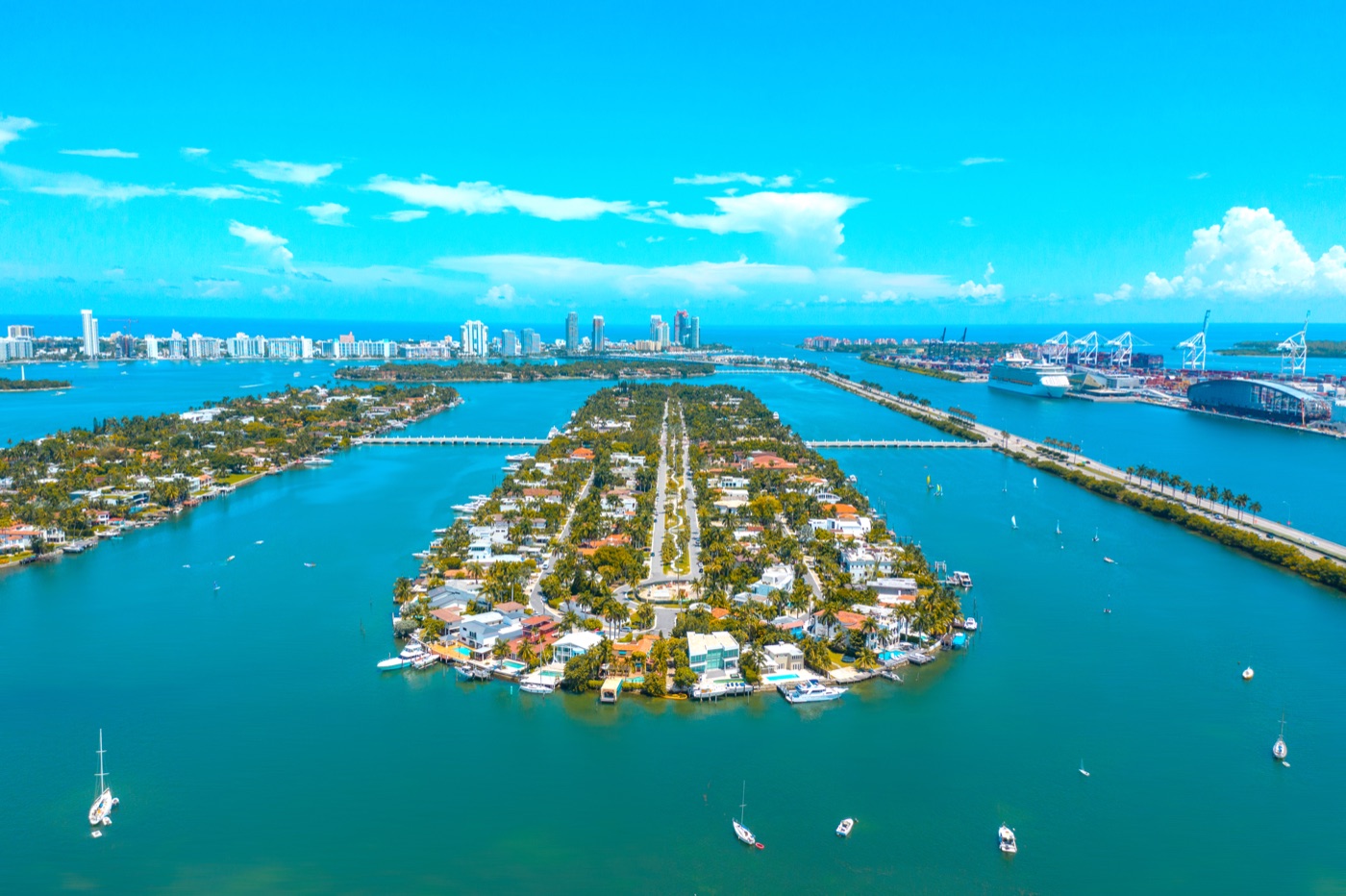
One of the first things buyers tell me when they reach out is that they want a water view. That makes perfect sense in Miami. The water is everywhere here, from the Atlantic Ocean on the east to Biscayne Bay running through the heart of the city, to the canals weaving through neighborhoods like Coconut Grove, Aventura, and Edgewater. But what most buyers discover once we start touring buildings together is that "water view" can mean very different things depending on the floor, the unit line, the building's position on the block, and even what season the photos were taken.
In my experience working with buyers across Miami-Dade and Broward, the gap between what a listing calls a water view and what the buyer actually sees from the balcony is one of the most common sources of disappointment. A partial bay glimpse between two towers is technically a water view. A direct, unobstructed ocean panorama from the 40th floor of a Sunny Isles Beach tower is also a water view. Those two things are not remotely the same, and they should not be priced or evaluated the same way.
This guide breaks down the different types of water views you will encounter in the Miami luxury condo market, what to look for during due diligence, and how to make sure the view you fall in love with on a sunny Tuesday morning is still there after you close. If you have questions about a specific building or neighborhood, call me directly at (954) 833-0020. Hablamos Espanol.
Ready to Find Your Perfect Miami Water View?
I work with buyers in English and Spanish, Hablamos Espanol, across Miami-Dade and Broward. Call me at (954) 833-0020 to talk through which neighborhoods and buildings match what you are really looking for.
Call (954) 833-0020Sunland Real Estate LLCThe Main Categories of Water Views in Miami
Miami sits at a unique geographic crossroads that creates several distinct types of water views, each with its own character. Understanding which type you are buying before you sign a contract is essential.
Direct ocean views face east toward the Atlantic. You will find these most prominently in Miami Beach, Bal Harbour, Sunny Isles Beach, and along the barrier islands. These views are what most international buyers picture when they imagine a Miami luxury condo. The sunrise is extraordinary, the sound of the surf carries up into mid-rise buildings, and the horizon is unbroken when there is no obstruction in front of your building.
Bay views face west from the barrier islands or face east from the mainland. Brickell, Edgewater, and parts of Downtown Miami offer bay views looking toward Key Biscayne and Miami Beach. The sunsets from these units are spectacular. The water tends to be calmer and the light changes throughout the day in ways that many buyers prefer over a pure ocean exposure.
Intracoastal views are common in Aventura, Hallandale Beach, and parts of Miami Beach. The Intracoastal Waterway runs between the barrier islands and the mainland, and watching the boat traffic from a balcony along that corridor is a lifestyle all its own.
Canal and river views show up in neighborhoods like Brickell, Coconut Grove, and parts of Coral Gables. Some canals are wide and scenic. Others are narrow drainage channels. Knowing which kind is in front of your building matters enormously for how you will feel about that view five years into ownership.
City-and-water combinations are also common, particularly in Brickell and Downtown. You may see a slice of Biscayne Bay framed by the skyline, or a marina below with the bay beyond it. These views are layered and dynamic, and many buyers love them. Just be clear with yourself about how much water versus how much city you actually want.
Explore on rangelyadames.com
Why Floor Level Changes Everything
Floor level is the single biggest variable in how a water view actually looks, and it is something I walk through carefully with every buyer before we narrow down a search.
In a dense corridor like Brickell or Edgewater, buildings are stacked close together. A unit on the 8th floor may look directly into the parking garage of the building next door. A unit on the 20th floor of that same building clears the obstruction and delivers a wide bay panorama. The difference in feel is dramatic, even when the floor plan is identical.
In Sunny Isles Beach, many towers sit directly on the ocean with nothing in front of them, so lower floors still offer meaningful water views. But even there, understanding the dune line and beach facilities in front of the building will tell you whether a lower floor feels private and serene or like you are sitting at eye level with the beach crowd.
My advice is always to visit the specific unit, on the specific floor, at multiple times of day if possible. Morning light hits ocean-facing units differently than afternoon light. Bay-facing units often look their best in the late afternoon as the sun drops toward the horizon. Do not make a final decision based solely on daytime showings in perfect weather.
Also ask what the building directly in front of yours is zoned for. A current parking lot or low-rise structure could become a tower in the future, eliminating the view you paid a premium for. I always recommend checking Miami-Dade County zoning maps and speaking with a Florida real estate attorney about what protections, if any, exist for your specific view corridor.
Obstructions: The Questions to Ask Before You Fall in Love
View obstructions are one of the most emotionally charged issues I deal with on behalf of buyers. Someone tours a unit, falls in love with the expansive bay view, and only learns after going under contract that a tower has been approved for the vacant lot to the south.
Before you make an offer on any unit with a meaningful water view, here is what I recommend investigating.
First, ask the listing agent or the building's management office whether any new construction has been permitted or approved in the view corridor. This is public information at the city and county level, and a good agent will help you pull it.
Second, look at the unit line carefully. Corner units often have views that wrap around the building, giving you a much wider angle. Units in the middle of a building may be more susceptible to side obstructions from neighboring towers.
Third, pay attention to the building's own amenities. A rooftop pool deck, an extended balcony on the floor above, or a large mechanical equipment structure can partially block sky or water from units on the floors just beneath.
Fourth, consider the landscaping. Mature palm trees and tropical plantings are beautiful, but on lower floors they can grow into your sightline over time. Ask the HOA or property manager how the building handles landscaping maintenance and whether there is a policy about tree height near residential floors.
Key questions to ask before committing to a water-view unit:
- Is there any approved or pending construction on adjacent parcels that could affect the view?
- What is the zoning classification of all vacant or underbuilt lots visible from the balcony?
- Does the unit's view face a direction that receives full or partial obstruction from the building's own structure?
- Has the building ever assessed owners for balcony or facade work that temporarily blocked views?
- Are there any easements or deed restrictions that protect the view corridor?
- What floor is this unit relative to the building directly in front of it, and what is that building's height?
- Has the HOA ever received complaints or litigation related to view obstructions from other units?
Ocean View vs. Bay View: Which Is Right for You?
This is one of the most common decisions I help buyers work through, and the answer is genuinely personal. Both have real advantages depending on how you plan to use the property.
Ocean-facing units give you the sunrise, the sound of waves on lower floors, and the visual drama of an unbroken horizon. If you are a morning person who plans to start your day on the balcony with coffee and the Atlantic in front of you, an ocean-facing unit in Bal Harbour, Sunny Isles Beach, or Miami Beach is hard to beat. These units also tend to hold strong appeal with international buyers and vacation renters, which matters if you plan to generate rental income when the unit is not in personal use.
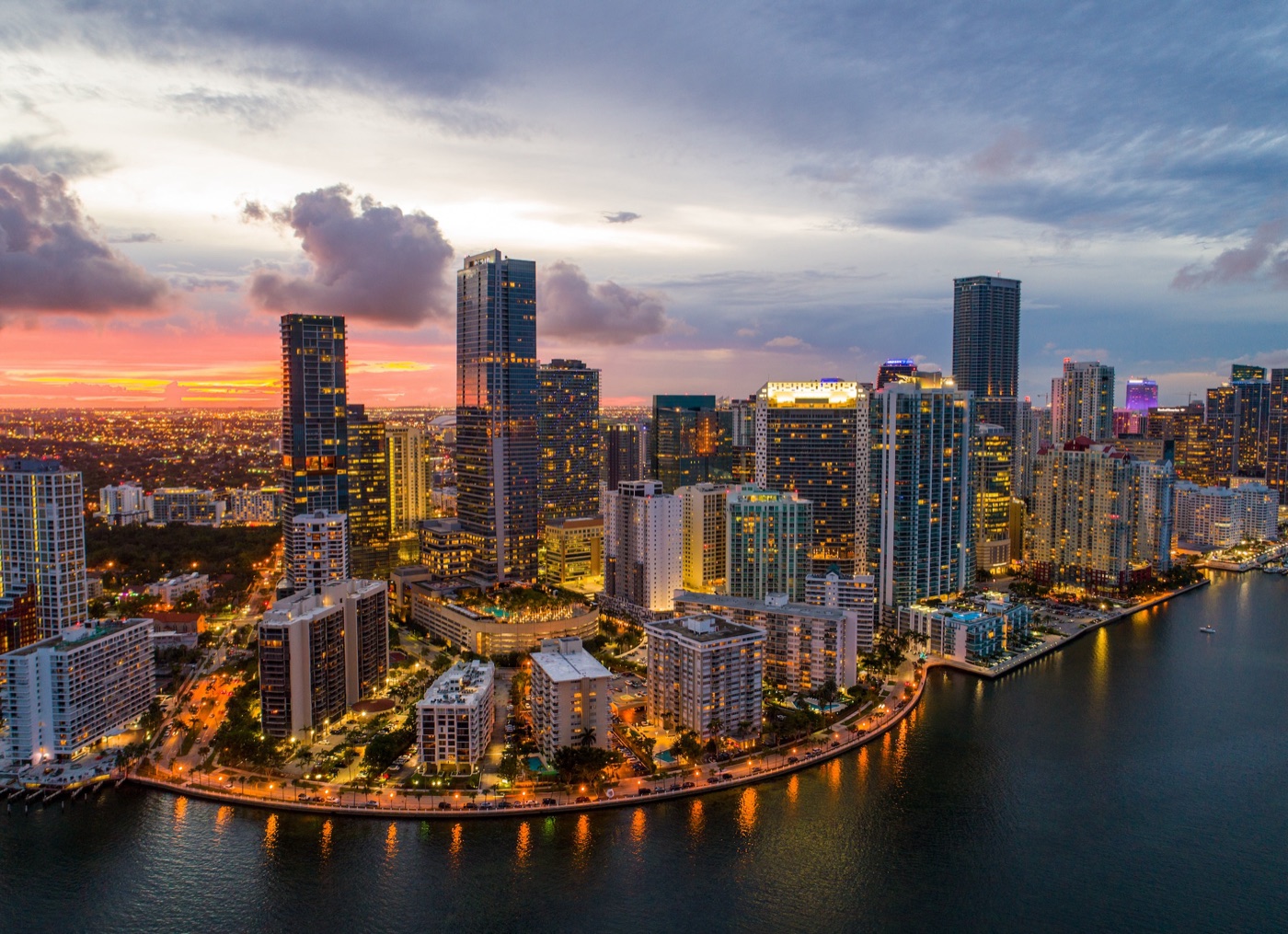
Bay-facing units give you the sunset, calmer visual scenery, and often a broader urban context. From a high floor in Brickell or Edgewater looking west over Biscayne Bay, you see the Miami skyline to the south, the bay shimmering in the foreground, and the barrier islands in the distance. That layered composition appeals to buyers who want the city-and-water combination rather than a purely natural horizon.
There is also a practical consideration around building wear. Units directly facing the Atlantic are exposed to salt air and wind in a way that interior-facing or bay-facing units are not. Over time, that exposure affects windows, exterior finishes, and even mechanical systems. I always encourage buyers of ocean-facing units to review building maintenance records carefully and ask what the building's protocol is for window cleaning, exterior sealing, and salt-air mitigation. This matters for resale value as much as it matters for your day-to-day comfort.
Some of the most sought-after units in Miami face southeast, catching both the ocean on one side and the bay or city on the other. Corner units in towers along Collins Avenue in Miami Beach or on Brickell Key can offer that combination. If a wraparound or dual-exposure unit is within your budget, it is worth exploring.
How Views Are Described in Listings vs. What You Actually See
Real estate marketing language is generous, and I say that having been on both sides of the transaction. Sellers want to present their unit in the best possible light, which means listing descriptions often describe a view in its most favorable terms.
"Partial water view" can mean anything from a broad angled glimpse of the bay to a narrow silver of ocean visible between two buildings. "City and water views" can mean the water occupies ten percent of your visible horizon. "Direct ocean views" should mean an unobstructed line of sight to the Atlantic, but even that phrase requires verification because a building directly on the sand can still have a structure on the beach level, dunes, or vegetation that breaks the view from lower floors.
I make it a point to look at listing photos critically with my buyers. Wide-angle lens photography, elevated drone shots, and photos taken from the balcony railing rather than from inside the unit are all ways that views get presented more favorably than the lived experience. When I represent a buyer, I always try to visit the unit at different times of day and in different weather conditions if the timeline allows.
The most reliable standard is standing inside the unit, with your feet in the spot where you would actually stand or sit, and looking at what you see. Balcony photos taken while leaning over the railing are flattering but not representative. What matters is what you see from your living room sofa, your dining table, your bed, and your balcony chair.
If you are purchasing remotely, which many of my international clients do, video walkthroughs are essential. I always recommend asking for a video where the agent walks the full perimeter of the unit and balcony, narrating what is visible in each direction, without panning the camera quickly past obstructions.
Neighborhoods and What Kind of Views They Typically Offer
Different Miami neighborhoods offer different view profiles, and knowing the landscape before you start touring saves a lot of time.
Sunny Isles Beach is the most purely ocean-forward submarket in Miami-Dade. The towers here sit directly on or very close to the beach, and many buildings have unobstructed Atlantic views from a wide range of floors. It is a good choice if a direct ocean horizon is your primary criterion.
Miami Beach and South Beach offer ocean views on the east side of Collins Avenue and Intracoastal or bay views on the west side. Buildings along Indian Creek Drive and Collins facing west give you the Intracoastal with the Miami skyline in the distance. South Beach tower inventory is older on average and lower-rise, so view quality depends heavily on what is around any given building.
Bal Harbour and Surfside are quieter and lower-density, with some of the most intimate oceanfront views in the market. Buildings here tend to be smaller in scale, and the neighborhoods themselves have tighter restrictions on new development.
Brickell is the mainland's dominant luxury condo corridor and offers bay views from buildings east of Brickell Avenue. Upper floors of the tallest towers can see from Key Biscayne to Downtown Miami in a sweeping arc. Lower floors in denser blocks are more susceptible to obstructions from neighboring buildings.
Edgewater sits north of Downtown and offers bay views looking east toward Miami Beach and south toward the Brickell skyline. The neighborhood has seen significant new development, so current views from some buildings already face newer towers close by.
Key Biscayne is a barrier island with both ocean and bay exposures. It is lower-density and more residential in feel, and the view corridors tend to be better protected given the island's geography and building scale.
Coconut Grove and Coral Gables are farther from the open ocean, but Coconut Grove in particular has beautiful views of Biscayne Bay from buildings near the water. These tend to be wider bay panoramas with greenery in the foreground, which appeals to buyers who want a more natural, garden-like setting alongside the water.
Protecting Your View: What the Documents Can and Cannot Tell You
One question I hear often is whether a buyer can rely on legal protections to preserve a view after closing. The honest answer is that view protection in Florida is limited and situation-specific.
Florida does not have a general legal right to a view. Your neighbor or the owner of the adjacent parcel can build taller if zoning allows it. Some older Coral Gables neighborhoods have specific zoning overlays that limit building heights, which provides some natural protection. Certain waterfront lots along Biscayne Bay have protected shoreline setbacks. But in most of Miami's urban core, what you see today from a balcony is not guaranteed tomorrow if the parcel in front of you is underdeveloped relative to what zoning permits.
What you can and should review during your due diligence period are the condo documents, particularly the declaration of condominium, the rules and regulations, and any recorded easements. These documents will tell you about shared spaces on the building's roof, any mechanical equipment placements, and any restrictions on modifications to balconies or windows that could affect your use and enjoyment of the view.
I also recommend asking your Florida real estate attorney to review the title commitment for any easements that run across the property. While this rarely affects the view directly, it can tell you about recorded rights of way or utility easements that could have construction implications.
For a fuller picture of zoning risk, check the Miami-Dade County Property Appraiser's website and the City of Miami or Miami Beach Planning and Zoning portals. Both are publicly accessible and will show you current zoning designations for the parcels around any building you are considering.
If protecting the view is a primary driver of your decision, consider buildings on oceanfront lots with nothing buildable in front of them, or buildings in lower-density neighborhoods where height limits provide natural buffering. That is a more reliable strategy than trying to find a legal guarantee in a condo document.
Working with a Miami Agent Who Knows the View Landscape
Buying a luxury condo in Miami based on its water view is a significant financial and lifestyle decision, and it deserves the same level of careful due diligence as any other aspect of the purchase. I have walked through buildings in Brickell, Edgewater, Miami Beach, Bal Harbour, Sunny Isles Beach, Key Biscayne, and Aventura with buyers who came in thinking they understood what they were looking for and left the tour seeing the decision very differently, in a good way.
Part of my job is helping you define what you actually want, not just what sounds appealing in a listing description. Do you want the sun coming up over the ocean from your bedroom? Do you want the city lights reflecting off the bay at night? Do you want to watch boats moving through the Intracoastal from your breakfast table? These are different views, in different neighborhoods, in different building types, and knowing which one fits your life makes the search much more focused and productive.
I work with buyers in both English and Spanish. Hablamos Espanol. Many of my clients come from Latin America and are purchasing in Miami as a second home, as a primary residence after relocating, or as a long-term investment. For all of them, the view question is central to the conversation, and I take it seriously as a practical matter, not just an aesthetic one.
If you are ready to start exploring water-view condos in Miami, or if you have a specific building or neighborhood in mind and want to talk through what to expect, call me at (954) 833-0020. You can also browse available listings through the MLS search at rangelyadames.com/mls-search, or book a consultation directly at rangelyadames.com/book. I am licensed with Sunland Real Estate LLC and cover Miami-Dade and Broward with deep familiarity across both markets.
Let's Find the Right View for You
Call (954) 833-0020 or visit rangelyadames.com/book to schedule a consultation. Whether you want an ocean horizon in Sunny Isles Beach or a bay panorama from Brickell, I will help you find it, evaluate it, and protect your investment.
Related Articles
September 28, 2026 · 10 min read
Argentine Buyers Guide to Miami Real Estate: Process, Financing Themes, and Neighborhood Fit (2026)
Buying Miami real estate from Argentina is workable when you separate what your agent coordinates from what your attorney, CPA, and lender decide. This support guide walks through the process, financing themes, remote closing, and neighborhood fit, then points you to the Argentina foreign-buyer hub for next steps.
Read article →February 2026 · 9 min read
Aventura Real Estate Guide: Condos, Schools & Lifestyle (2026)
Luxury high-rises, top-rated schools, and the Aventura Mall — why families and investors love this North Miami suburb.
Read article →February 2026 · 9 min read
Airbnb Investment Properties in Miami: Rules, ROI & Best Areas
Short-term rental regulations, income projections, and the best Miami neighborhoods for Airbnb investing.
Read article →