How to Buy a Waterfront Condo in Miami: What No One Tells You (2026)
By Rangely Adames • November 2026 • 11 min read
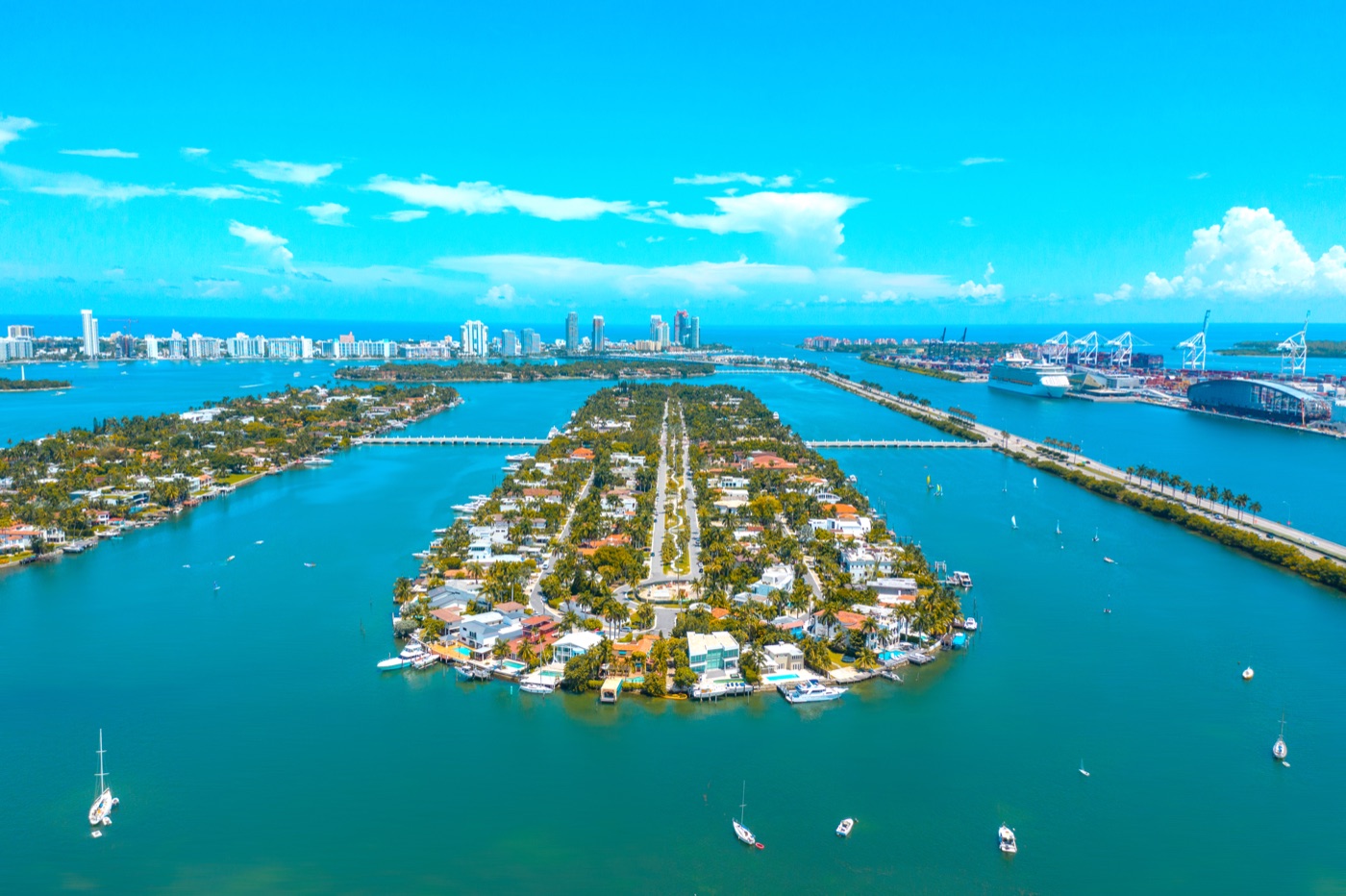
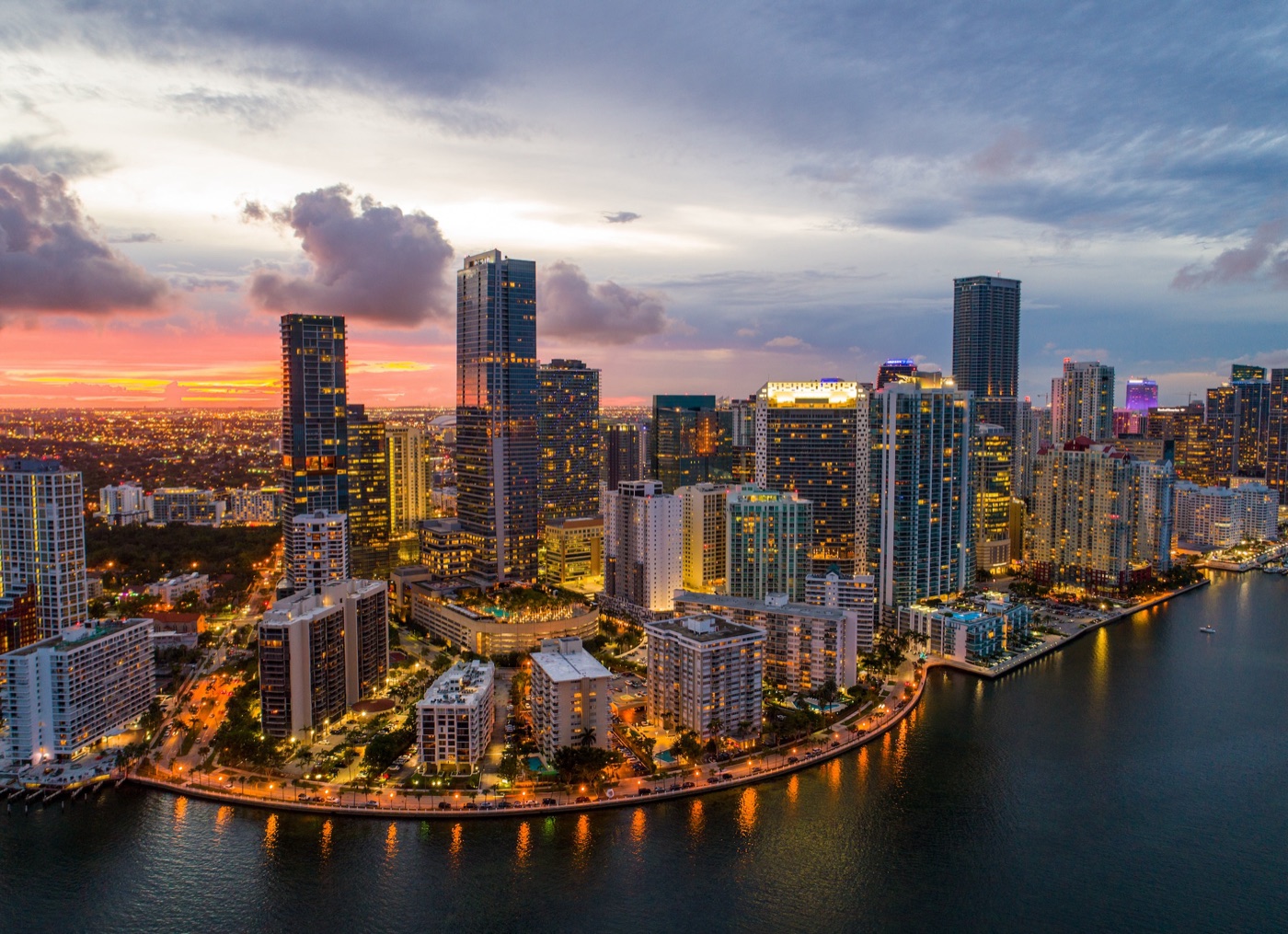
Waterfront properties in Miami are some of the most sought-after real estate in the country, and for good reason. Whether you are looking at a Brickell high-rise overlooking Biscayne Bay, a bay-front building in Edgewater, a beachfront tower in Sunny Isles Beach, or a canal-facing unit in Aventura, the draw is the same: water views, natural light, and a lifestyle that is hard to replicate anywhere else. I work with buyers from across the United States and Latin America who make Miami their target specifically because of that waterfront experience.
But here is what I see happen constantly: buyers fall in love with a view and move too quickly. They skip due diligence steps that are specific to waterfront properties, and then they are surprised by insurance costs, flood zone requirements, dock restrictions, or HOA rules they did not fully understand at the time of purchase. My job is to make sure that does not happen to you.
This guide covers the practical realities of buying a waterfront condo in Miami. I will walk you through the extra layers of research that apply specifically to waterfront buildings, so you can move forward with clarity and confidence. If you have questions at any point, call me directly at (954) 833-0020. Hablamos Espanol.
Ready to Explore Miami Waterfront Condos?
I work with buyers in English and Spanish across Miami-Dade and Broward. Call me at (954) 833-0020 to talk through your goals and get started. Hablamos Espanol.
Call (954) 833-0020Sunland Real Estate LLCUnderstanding Miami's Waterfront Geography
Miami's waterfront is not one uniform thing. The city sits between the Atlantic Ocean to the east and Biscayne Bay to the west of Miami Beach, with the Miami River, the Intracoastal Waterway, and dozens of canals threading through the mainland and barrier islands. Each of these bodies of water creates a different kind of waterfront living, and each comes with its own set of considerations.
Ocean-facing buildings in Miami Beach, Surfside, Bal Harbour, and Sunny Isles Beach offer direct Atlantic views and beach access, but they also face the highest wind and storm surge exposure. Bay-facing buildings in Edgewater, Brickell, and Coconut Grove are more sheltered from direct wave action, though they are still subject to flooding and wind requirements. Canal-front or Intracoastal-adjacent buildings in Aventura, North Miami Beach, and parts of Miami Beach offer calmer water but may come with restrictions on boat access and dock usage.
Understanding exactly what kind of waterfront you are buying into matters for insurance underwriting, for flood zone classification, and for how the building was engineered. In my experience, buyers who take time to understand these distinctions make much better decisions than those who treat all waterfront the same.
Explore on rangelyadames.com
Flood Zones and What They Mean for Your Purchase
One of the first things I do when a client is serious about a waterfront property is look up its FEMA flood zone designation. Miami-Dade County has properties spread across several flood zone categories, and the zone your unit sits in will directly affect what insurance you are required to carry and what that insurance will cost.
Properties in high-risk flood zones, often labeled with letters like AE or VE on FEMA flood maps, require flood insurance if the buyer is using a federally backed mortgage. VE zones, which are coastal high-hazard areas, face the most stringent requirements because they are subject to wave action in addition to flooding. Even if you are paying cash, skipping flood insurance in a coastal VE zone is a risk I would strongly advise against.
You can look up any property's flood zone designation using FEMA's Flood Map Service Center at msc.fema.gov, and Miami-Dade County's own GIS portal gives you parcel-level detail as well. What matters for your budget is not just whether flood insurance is required, but whether the building carries a master flood policy that covers individual units or whether you need to secure your own. That information lives in the condo documents, specifically in the declaration and the master insurance policy, which are part of the HOA disclosure package you receive during your inspection period.
Homeowners Insurance: The Waterfront Reality
Florida's property insurance market is complex, and waterfront properties sit at the more demanding end of that complexity. Insurers look at a building's distance from the coast, its construction year, its wind mitigation features, its roof type, and the presence of impact-rated windows and doors when calculating premiums. For a waterfront condo, all of these factors are in play simultaneously.
The good news is that most luxury waterfront buildings in Miami were built or significantly renovated with current Florida Building Code standards in mind. Features like impact glass, reinforced concrete construction, and generator backup systems are common in newer towers. The challenge is that some older buildings along Miami Beach, Coconut Grove, and Key Biscayne predate those standards, and their insurance costs reflect that.
Before you make an offer on any waterfront condo, I recommend asking for the building's master insurance policy declarations page and finding out what it covers versus what you as an individual unit owner are responsible for. Some buildings carry a bare walls-in policy, meaning everything from the drywall inward is your responsibility. Others carry an all-in policy that covers fixtures and original finishes. The difference in what you need to insure separately is significant. Talk to a Florida-licensed insurance broker before you close, not after.
Dock Access, Boat Slips, and Riparian Rights
One of the questions I hear most from buyers interested in waterfront condos is whether they can keep a boat. The answer depends on several factors that are specific to each building and each body of water, and it is not always as straightforward as the listing description makes it sound.
Some waterfront condo buildings in Miami have private docks or marina slips that can be purchased or leased separately from the unit. This is common along the Intracoastal Waterway in Aventura and in certain Coconut Grove and Brickell buildings. Other buildings have a shared dock area with limited slips available on a first-come, first-served basis. And many ocean-facing buildings in Miami Beach or Sunny Isles simply do not have dock access at all because the building fronts the Atlantic, where mooring is not practical.
If boat access is important to you, you need to verify three things. First, confirm whether the building has dock or slip facilities and whether they are deeded with the unit, available for separate purchase, or subject to a waitlist. Second, check the size restrictions. Many docks have limits on vessel length and beam. Third, understand the riparian rights situation for the building. In Florida, waterfront property owners generally have riparian rights, meaning the right to access the water from their property, but those rights can be complicated in a condo structure where the common elements are owned collectively by the association. Your real estate attorney needs to review this if boat access is a priority.
I always tell clients: if the listing says 'boat access,' verify exactly what that means in writing before you proceed.
Building Recertification and Structural Integrity
In the wake of the Surfside tragedy in 2021, Florida passed legislation requiring more rigorous structural inspections and reserve funding for condominium buildings, particularly those near the coast. If you are buying a waterfront condo in Miami, understanding where the building stands in its recertification cycle is not optional. It is essential.
Buildings that are three stories or taller and 30 years old or older are now subject to mandatory milestone structural inspections. Buildings within three miles of the coast hit that threshold at 25 years. After the initial inspection, follow-up inspections are required every 10 years. If a building has failed an inspection or has an outstanding inspection requirement, that needs to be disclosed, and the financial implications of any required repairs fall on the association and, ultimately, on unit owners.
During your inspection period, request the most recent milestone inspection report if the building is subject to one. Also ask for the reserve study and the association's current reserve funding level. A well-managed waterfront building keeps its reserves healthy so that major repairs to common elements, including seawall maintenance, dock structures, and building facade, can be handled without a special assessment. If the reserves are significantly underfunded, that is a risk factor worth pricing into your offer or reconsidering altogether.
The Miami-Dade County Building Department and the Florida Department of Business and Professional Regulation both maintain records related to building compliance. Your real estate attorney can help you pull the right documents.
What to Look for in the HOA Documents
In Florida, condo buyers have a legally protected inspection period during which they can review the full HOA disclosure package and cancel the contract for any reason if they do not like what they find. For a waterfront building, I want my clients to pay close attention to a specific set of items in those documents.
Here is what I walk my clients through in the HOA documents for any waterfront condo:
The seawall and dock maintenance responsibility. Find out whether the seawall is owned and maintained by the association or by the city. This matters because seawall repair is expensive, and if the responsibility falls to the association, it affects the reserve fund.
Upcoming or pending special assessments. Any known or voted special assessment must be disclosed. For waterfront buildings, these often relate to building envelope repairs, dock work, or recertification-related structural remediation.
Rental restrictions. Some waterfront buildings in desirable locations restrict short-term rentals aggressively. If you plan to rent the unit, confirm the minimum lease term and whether there are caps on how often you can rent in a given year.
Insurance requirements for unit owners. As noted earlier, understand what the master policy covers and what gap insurance or HO-6 policy you will need as the unit owner.
Rules about watercraft and dock use. If the building has docks, the HOA documents will describe who can use them, what types of vessels are permitted, and what fees apply.
Board meeting minutes from the past two years. Reading the minutes tells you what issues the building has been dealing with that may not show up anywhere else in the official documents. Look for recurring complaints, unresolved repairs, and the tone of how the board manages problems.
Here is a quick summary of the waterfront-specific items to review in the HOA disclosure package:
- Seawall ownership and maintenance responsibility
- Reserve study and current funding level for coastal infrastructure
- Pending or upcoming special assessments
- Master insurance policy coverage versus unit owner responsibility
- Rental restriction rules and minimum lease terms
- Dock and slip rules, size limits, and fees
- Milestone structural inspection reports if the building is subject to them
- Board meeting minutes from the past two years
Financing a Waterfront Condo: What Lenders Look At
Securing a mortgage on a waterfront condo in Miami involves a few layers that inland purchases do not. Lenders are not just evaluating you as a borrower. They are evaluating the building itself, and waterfront buildings get extra scrutiny.
The building must meet the lender's warrantability requirements, which are the criteria Fannie Mae, Freddie Mac, or the lender's own guidelines require before they will fund a loan in that building. Buildings that have failed structural inspections, have significant pending litigation, have inadequate reserve funding, or have too high a concentration of investor-owned units can be flagged as non-warrantable. A non-warrantable building does not mean you cannot get financing, but it does mean you will likely need a portfolio lender or a different loan product, often at a higher rate.
For international buyers, the process is different again. Foreign nationals purchasing a waterfront condo typically rely on foreign national loan programs, which require larger down payments, proof of income from abroad, and additional documentation. I work with buyers from Colombia, Argentina, Venezuela, Brazil, and across Latin America, and I guide them through what their lender will need and how to prepare. Hablamos Espanol, and navigating these conversations in your own language makes a real difference.
Before you make an offer on a waterfront property, get pre-approved and make sure your lender is already aware of the building you are targeting. Some lenders maintain internal approved building lists. Others will need to run a full condo questionnaire before committing. Knowing where you stand before you go under contract saves time and prevents surprises.
Choosing the Right Waterfront Neighborhood for Your Goals
Miami's waterfront neighborhoods are distinct from one another in character, lifestyle, and the type of buyer they attract. Getting clear on what you actually want from waterfront living will help you narrow down where to focus.
Brickell and Edgewater appeal to buyers who want an urban waterfront lifestyle. Both neighborhoods have bay views, walkable amenities, and a mix of young professionals, international buyers, and investors. The buildings tend to be newer and the HOA documents reflect the management culture of large professional associations.
Miami Beach, from South Beach through Mid-Beach and up to Surfside and Bal Harbour, offers the ocean and beach access that many buyers are specifically seeking. The tradeoff is higher insurance exposure and, in some older buildings, the ongoing complexity of recertification requirements. Bal Harbour in particular attracts buyers who want a quieter, more private coastal experience.
Coconut Grove and Key Biscayne are two of my favorite markets for buyers who want waterfront living with a more residential, less high-rise feel. Coconut Grove has a mix of waterfront condos and single-family homes with Biscayne Bay access, while Key Biscayne is a barrier island community with a distinctive neighborhood culture and direct ocean and bay exposure.
Aventura and Sunny Isles Beach draw a heavy concentration of Latin American buyers and feature some of the largest and most amenity-rich waterfront condo towers in South Florida. If you want full-service building life with concierge, spa, and marina access, both neighborhoods deserve a close look.
Fisher Island and Star Island are in a category of their own. These are private island communities with extremely limited inventory and very high entry points. The waterfront experience there is about exclusivity and privacy above all else.
The right neighborhood for you depends on how you plan to use the property, how often you will be there, what your insurance budget looks like, and whether you want the energy of an urban market or the quiet of a residential waterfront community. I help clients think through all of these factors before we start touring buildings.
Working With an Agent Who Knows Waterfront Due Diligence
Buying a waterfront condo in Miami is not the place to work with an agent who treats every transaction the same. The specific due diligence steps for a coastal or bay-front building are different from an inland purchase, and missing any of them can be costly.
I am a licensed Florida real estate sales associate with Sunland Real Estate LLC, and I focus specifically on the Miami-Dade and Broward markets. When I represent a waterfront buyer, I make sure we review flood zone designations, building inspection records, insurance documentation, dock rights, and HOA financials before we ever reach the closing table. I also coordinate with Florida real estate attorneys and insurance brokers so my clients are not navigating those pieces alone.
If you are thinking about buying a waterfront condo in Miami and want to understand what the process actually looks like, start with a conversation. You can reach me at (954) 833-0020 or at info@rangelyadames.com. If you prefer to explore listings first, visit the MLS search at rangelyadames.com/mls-search. And if you want to understand the full buyer process from start to finish, the buyers guide at rangelyadames.com/buyers-guide walks through every step.
Let's Find Your Waterfront Property in Miami
Whether you are buying your first Miami property or adding to your portfolio, I am here to guide you through every waterfront-specific detail. Call (954) 833-0020 or visit rangelyadames.com/contact to get started.
Related Articles
September 28, 2026 · 10 min read
Argentine Buyers Guide to Miami Real Estate: Process, Financing Themes, and Neighborhood Fit (2026)
Buying Miami real estate from Argentina is workable when you separate what your agent coordinates from what your attorney, CPA, and lender decide. This support guide walks through the process, financing themes, remote closing, and neighborhood fit, then points you to the Argentina foreign-buyer hub for next steps.
Read article →February 2026 · 9 min read
Aventura Real Estate Guide: Condos, Schools & Lifestyle (2026)
Luxury high-rises, top-rated schools, and the Aventura Mall — why families and investors love this North Miami suburb.
Read article →February 2026 · 9 min read
Airbnb Investment Properties in Miami: Rules, ROI & Best Areas
Short-term rental regulations, income projections, and the best Miami neighborhoods for Airbnb investing.
Read article →