How to Buy a Luxury Single-Family Home in Miami (2026)
By Rangely Adames • August 2026 • 12 min read
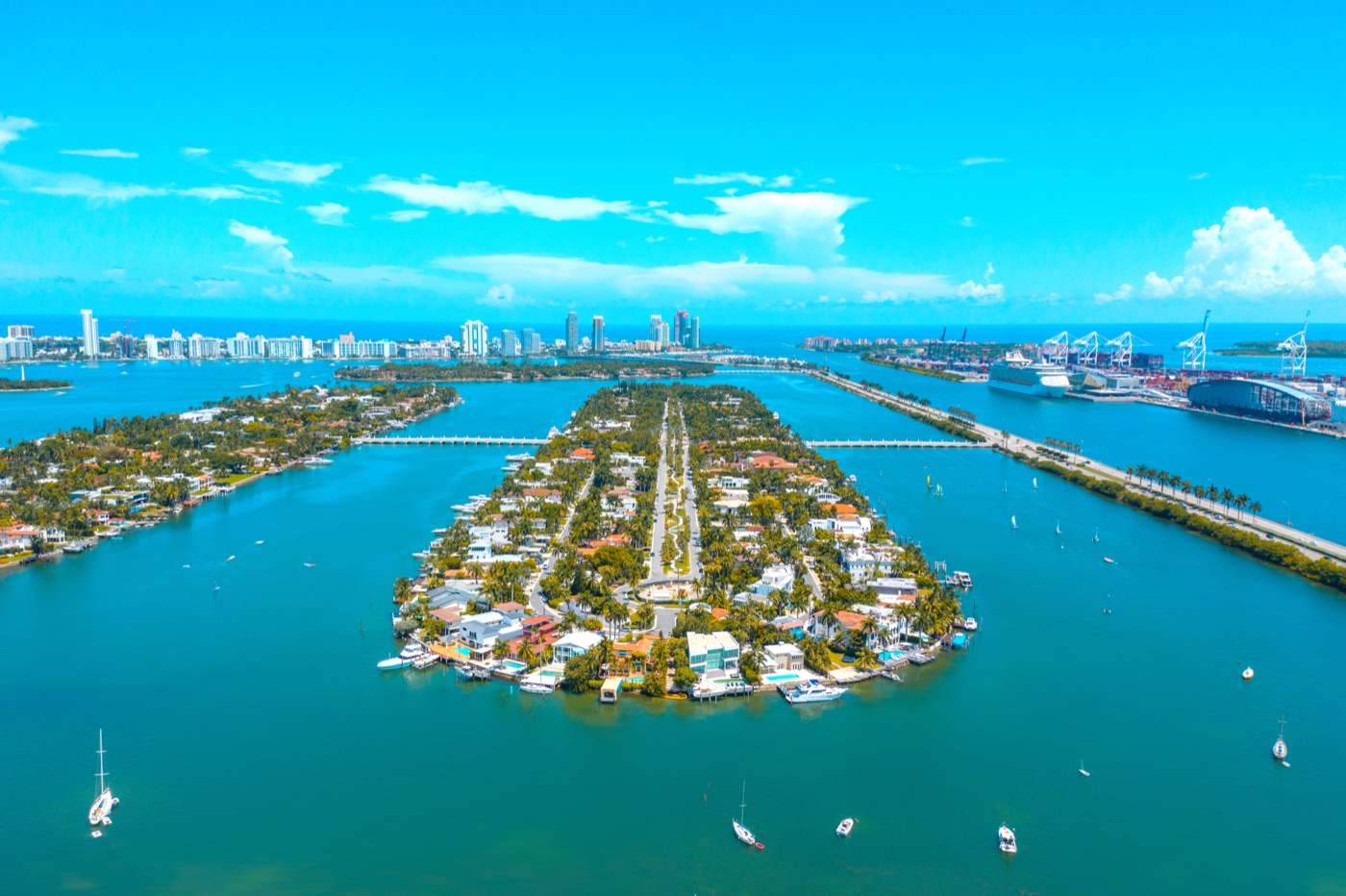
Miami gets a lot of attention for its luxury condo towers, and for good reason. But I work with a growing number of buyers who come to me specifically because they want land, privacy, a yard, and a garage. They want a house. And buying a luxury single-family home in Miami is a completely different process from buying a unit in a high-rise. The neighborhoods, the due diligence, the negotiation leverage, and the ongoing costs all look very different once you step outside a condo building.
I have helped buyers purchase single-family homes in Coral Gables, Coconut Grove, Pinecrest, Key Biscayne, Miami Beach, and other neighborhoods across the city. Each area has its own character, its own price range, and its own quirks that can cost you money if you are not prepared. This guide pulls together everything I wish every buyer knew before they started touring properties.
Whether you are relocating from New York or California, purchasing a second home, or making Miami your permanent base, this post will help you understand what to expect. And if you have questions along the way, call me directly at (954) 833-0020. Hablamos Espanol.
Ready to Find Your Miami Home?
I work with buyers across Coral Gables, Coconut Grove, Key Biscayne, and beyond. Call (954) 833-0020 today. Hablamos Espanol.
Call (954) 833-0020Why Single-Family Homes Are Performing Strongly in Miami Right Now
The single-family home segment in Miami has shown remarkable resilience over the past several years. Unlike the condo market, which has thousands of units coming to market through new construction pipelines, the supply of single-family homes in desirable neighborhoods is genuinely limited. You cannot build a new Coral Gables historic district or create new waterfront lots on Key Biscayne.
Median prices for single-family homes in top Miami neighborhoods have climbed significantly. In Coral Gables, well-maintained homes on quarter-acre lots are routinely listed between $1.8 million and $4 million. In Coconut Grove, updated homes with bay views or proximity to the village center regularly trade between $2.5 million and $6 million. On Key Biscayne, even non-waterfront single-family homes can command $3 million or more because inventory on the island is so tight.
The buyers driving this demand are diverse. I work with Latin American families who want space for extended family members, tech executives relocating from California, and New York professionals who have made the lifestyle calculation that Miami winters beat Manhattan winters. All of them are looking for the same thing: a quality home in a safe, walkable or bikeable neighborhood with good schools nearby.
Explore on rangelyadames.com
Choosing the Right Neighborhood for Your Lifestyle and Budget
The neighborhood you choose will shape everything from your daily commute to your resale value five years from now. I always start by asking clients three questions: Do you want to walk to restaurants and shops? How important are top public schools? And do you want direct water access or are bay and ocean views enough?
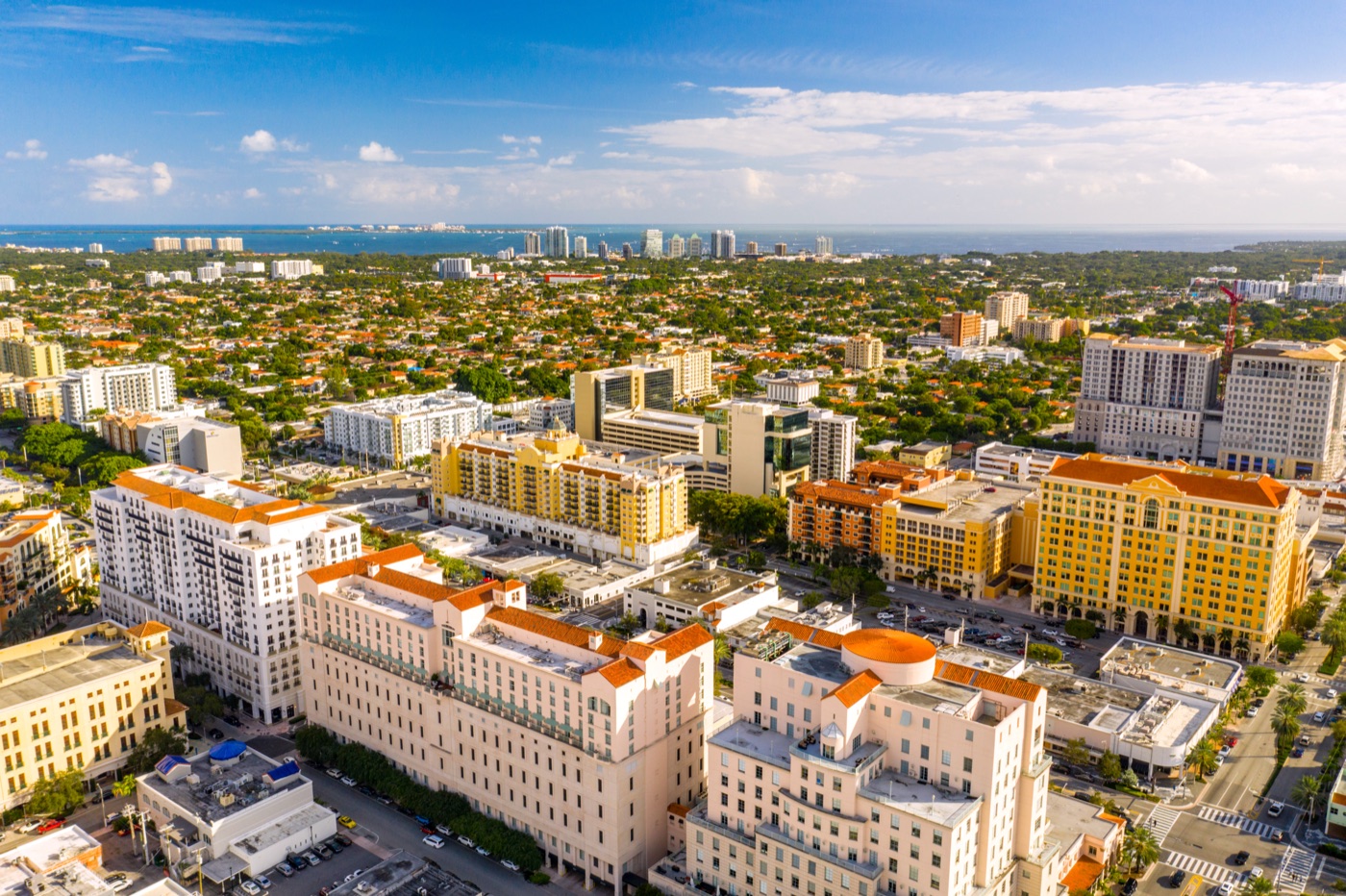
Coral Gables is the top choice for buyers who want tree-lined streets, a walkable downtown, and access to some of the best public schools in Miami-Dade County. Homes here range from Mediterranean Revival estates with original 1920s architecture to modern new construction replacing older teardowns. Expect to pay $600 to $1,200 per square foot depending on lot size, condition, and proximity to the Biltmore or the Miracle Mile.
Coconut Grove offers a bohemian, lush atmosphere that feels unlike anywhere else in Miami. The streets are narrow and canopied, the neighborhood has a genuine village center, and the proximity to Biscayne Bay makes it a favorite for boaters. Prices here have climbed sharply since 2021, with many move-in-ready homes now priced above $3 million.
Pinecrest is the go-to for buyers who want larger lots, often half an acre or more, at prices that are slightly more approachable than Coral Gables. You can still find solid four-bedroom homes in Pinecrest in the $1.5 million to $2.5 million range, and the school district is excellent.
Key Biscayne is a barrier island connected to the mainland by the Rickenbacker Causeway. It has a small-town feel, world-class beaches, and a tight community. The trade-off is limited inventory and causeway traffic. Miami Beach, particularly the neighborhoods of Bay Point, La Gorce, and Sunset Islands, offers single-family homes with direct bay frontage starting around $4 million and running well past $20 million for gated island properties.
Understanding Land, Lot Size, and Zoning Before You Offer
One of the biggest mistakes I see buyers make in the single-family market is falling in love with a house without fully understanding the land it sits on. In Miami, lot size, zoning classification, and flood zone designation can dramatically affect both your current use of the property and your future ability to expand or renovate.
Miami-Dade County uses a zoning code that determines how close you can build to property lines, how tall you can build, and whether you can add a guest house or accessory dwelling unit. I always pull the zoning details before we make an offer so my clients know exactly what they are buying. If you want to add a pool cabana, a guesthouse, or a sport court, you need to verify that the zoning allows it and that the setbacks give you enough room.
Flood zone status is equally important. FEMA flood maps designate large parts of Miami in Zone AE, which is a high-risk flood zone requiring mandatory flood insurance. Flood insurance in Zone AE on a $2 million home can cost $8,000 to $20,000 per year depending on the structure's elevation certificate and the amount of coverage. Always request the elevation certificate from the seller and factor that annual cost into your ownership budget.
For waterfront single-family homes, you also need to understand dock rights, seawall condition, and any restrictions placed by the Army Corps of Engineers or the city on what you can build over the water. I have seen buyers nearly lose deals because they assumed a property came with a dock permit that did not actually exist.
What to Inspect on a Miami Luxury Single-Family Home
A thorough inspection is non-negotiable on any home purchase, but luxury single-family homes in Miami come with specific systems and conditions that require specialized attention. I always recommend hiring a licensed general inspector plus separate specialists for the roof, seawall, and HVAC systems.
Here is a checklist of the inspection areas I prioritize for every single-family home I represent:
Roof condition and age are critical because South Florida building codes require hurricane-rated roofing materials, and insurance carriers are now refusing to write policies on roofs older than 15 to 20 years. A roof replacement on a 5,000 square foot home can run $80,000 to $150,000.
Impact windows and doors are required by code on all new construction and heavily influence insurance costs. If the home still has non-impact windows, budget for replacement.
The pool and pool equipment, including the heater, pump, and automation system, deserve a full inspection. Pool repairs are expensive and pool equipment replacement can add $15,000 to $30,000 to your first-year ownership costs.
The seawall on any waterfront property should be inspected by a licensed marine contractor. A failing seawall can cost $500 to $1,200 per linear foot to repair or replace.
The air conditioning system is almost always multiple units on a large home. In Miami, AC units work harder than nearly anywhere else in the country. A full replacement of a multi-zone system can cost $25,000 to $60,000.
Electrical panels and plumbing should be reviewed for age and compliance. Older homes in Coral Gables and Coconut Grove sometimes have aluminum wiring or galvanized pipes that need upgrading.
Summary of the six inspection priorities I insist on for every luxury single-family home in Miami:
- Roof condition, age, and hurricane rating
- Impact windows and doors on all openings
- Pool, pool equipment, and automation systems
- Seawall integrity on any waterfront property
- Multi-zone air conditioning age and capacity
- Electrical panels and plumbing for code compliance
Insurance Costs: The Number Every Miami Home Buyer Must Know
Insurance is the single biggest financial surprise for buyers who come to Miami from other states. Florida's homeowners insurance market has contracted significantly over the past four years, with multiple carriers pulling out of the state entirely. The carriers that remain have raised rates sharply, and luxury homes carry especially high premiums because of their replacement cost values.
A realistic budget for homeowners insurance on a $3 million single-family home in Miami-Dade County is $25,000 to $50,000 per year. That range depends on the age of the roof, whether the home has impact openings throughout, the flood zone, the distance from the coast, and the carrier. Wind mitigation inspections can help lower your premium by confirming that the home meets or exceeds code requirements.
In addition to standard homeowners insurance, most Miami homeowners carry a separate flood insurance policy. Federal flood insurance through the National Flood Insurance Program caps coverage at $250,000 for the structure, which is far short of what a luxury home needs. Most of my clients purchase private flood insurance that covers the full replacement value.
Before you close on any home in Miami, I strongly recommend getting a full insurance quote, not just an estimate, so you know exactly what you are paying. Some buyers have been surprised to find that the total insurance cost changes their financial picture significantly. This is something I help my clients work through before they make an offer.
Property Taxes and Homestead Exemption on Miami Single-Family Homes
Miami-Dade County's property tax rate is approximately 1.9% to 2.2% of assessed value depending on the municipality. For a $3 million home, that means annual property taxes of roughly $57,000 to $66,000 before any exemptions. For a $5 million home, you are looking at $95,000 to $110,000 per year.
The good news for buyers who plan to use the home as their primary residence is that Florida's Homestead Exemption can reduce your assessed value by up to $50,000, and the Save Our Homes cap limits annual assessment increases to 3% or the Consumer Price Index, whichever is lower. Over time, this can create a meaningful gap between your assessed value and the market value of your home.
Foreign buyers and buyers using the property as a seasonal or investment home do not qualify for Homestead. This is one of the reasons I have so many conversations with Latin American clients about whether they plan to establish Florida residency. The long-term tax savings from Homestead can be substantial, and for some clients it influences their decision about how to structure their purchase.
Coral Gables and Miami Beach both carry slightly higher millage rates than unincorporated Miami-Dade because they are municipalities with their own services and budgets. Always confirm the exact millage rate for the property's location before you finalize your ownership cost projections.
How to Negotiate on a Miami Luxury Single-Family Home
The negotiation dynamic on luxury single-family homes in Miami is very different from the condo market. There is no developer setting prices by the floor, and there is no competing building down the block offering the same floor plan. Every single-family home is unique, and pricing is more subjective.
The first thing I do for every buyer I represent is pull a detailed comparable sales analysis. I look at what has sold within the past six months in the same neighborhood, at similar lot sizes and square footage, with similar condition and view premiums. In neighborhoods like Coconut Grove and Coral Gables, where every block can look very different, the right comps require deep local knowledge.
In my experience, luxury single-family homes in Miami that are correctly priced sell within 5% of list price and close in 45 to 90 days. Homes that have been sitting for more than 120 days often have pricing, condition, or title issues worth investigating. That sitting time creates negotiation leverage for my buyers.
I also use inspection results as a legitimate negotiation tool. If we uncover a roof that needs replacement, outdated electrical, or a seawall that needs repair, I document the repair cost with licensed contractor estimates and go back to the seller with a credit request or a price reduction. This approach has saved my clients hundreds of thousands of dollars on individual transactions.
If you are ready to start your search or want to talk through your budget and target neighborhoods, call me at (954) 833-0020. I work with buyers at every stage of the process, from early research to closing day.
Working with a Local Agent Who Knows These Neighborhoods
The Miami luxury single-family market is not something you can navigate from Zillow listings alone. Many of the best homes in Coral Gables, Coconut Grove, and Key Biscayne sell quietly, through agent-to-agent networks, before they ever hit the MLS. I have placed buyers in off-market homes because I had a relationship with the listing agent and knew the seller was considering offers.
Beyond finding the property, a skilled buyer's agent in this price range should be protecting you at every step: reviewing the seller's disclosure carefully, coordinating the right inspectors, analyzing the HOA or deed restrictions if any apply, and keeping the transaction on track through the attorney and title company process.
I also make sure my international clients understand every step of the process, including FIRPTA withholding requirements for foreign sellers that can affect a transaction timeline, and the differences between how real estate transactions are structured here compared to Latin American countries. We handle all of this in English and Spanish, because clear communication is the foundation of a smooth closing.
If you are thinking about buying a luxury single-family home in Miami in 2026, I would love to talk through your goals, timeline, and budget. Call or text me at (954) 833-0020, and let's start the conversation. Hablamos Espanol.
Let's Find Your Perfect Miami Home
Whether you are buying your first Miami home or adding to your portfolio, I am here to guide you through every step. Call or text (954) 833-0020 and let's get started.
Related Articles
September 28, 2026 · 9 min read
FIRPTA for Miami Foreign Buyers and Sellers: Awareness Guide Before You Purchase or Exit (2026)
FIRPTA is a U.S. tax topic that can affect closing logistics when a foreign person sells U.S. real property, and it is worth planning when you buy as a foreign national. This educational support guide explains the themes in plain English, then points you to the FIRPTA money page for next steps with professional introductions.
Read article →April 2026 · 12 min read
Fisher Island vs Star Island: Miami's Most Exclusive Addresses Compared (2026)
Two of America's wealthiest zip codes, side by side. Compare Fisher Island and Star Island for privacy, prices, lifestyle, HOA fees, and which ultra-luxury Miami enclave fits your goals in 2026.
Read article →April 2026 · 11 min read
First-Time Home Buyer Guide: Miami Edition (2026)
A step-by-step walkthrough of buying your first home in Miami, including down payment programs, flood insurance tips, and the best affordable neighborhoods.
Read article →