Miami Luxury Single-Family Home Neighborhoods: A 2026 Comparison Guide
By Rangely Adames • September 2026 • 11 min read
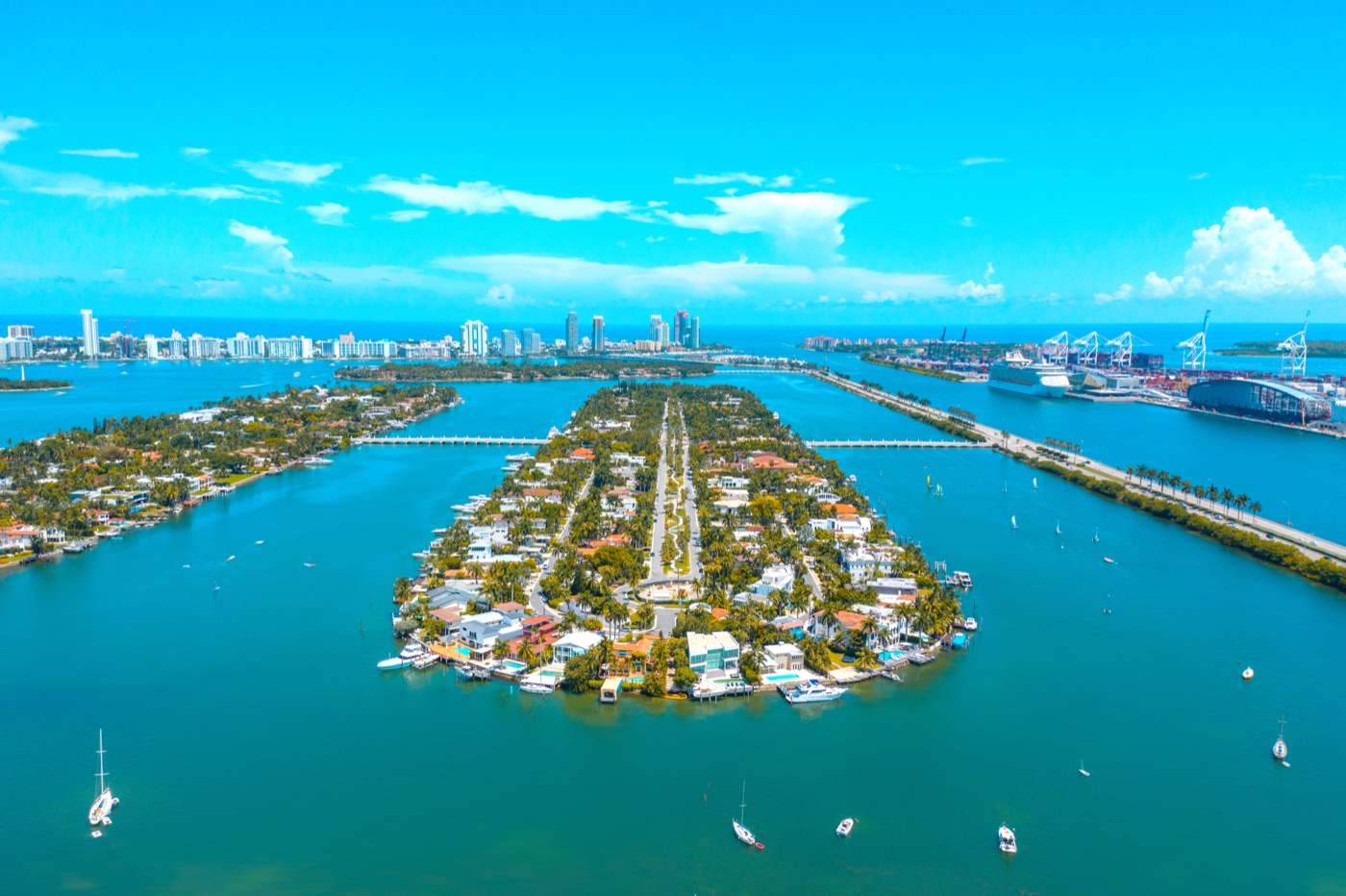
One of the most common questions I get from buyers relocating to Miami is simple: which neighborhood should I actually live in? It sounds easy enough, but Miami's luxury single-family market is genuinely more complex than most cities. Each neighborhood has its own school zoning, flood risk profile, deed restrictions, price per square foot, and lifestyle character. Picking the wrong one for your family's priorities is a costly mistake, and I see it happen more than it should.
I work with buyers at every stage of this process, from the first Zoom call where someone is still not sure if they are moving to Miami, all the way through closing. In my experience, the buyers who are happiest two or three years later are the ones who took the time to understand what each neighborhood actually delivers day to day, not just what it looks like in listing photos. This guide is designed to give you that grounding before you ever step into an open house.
I am going to walk through the neighborhoods I see the most buyer activity in right now: Coral Gables, Coconut Grove, Pinecrest, Miami Beach single-family, Bal Harbour and Bay Harbor Islands, and the emerging pocket of North Miami that is drawing attention from both domestic and Latin American investors. For each one I will give you real price ranges, what you are actually getting for that money, and where I think each neighborhood is headed over the next few years.
Ready to Find Your Miami Neighborhood?
I work with luxury single-family buyers across Coral Gables, Coconut Grove, Pinecrest, and Miami Beach. Hablamos Espanol. Call me directly at (954) 833-0020 to talk through your priorities and get a honest read on what each neighborhood actually delivers.
Call (954) 833-0020Coral Gables: The Standard-Bearer for Miami Luxury Living
Coral Gables is the neighborhood I point buyers to first when they tell me they want the full package: walkability, excellent public and private schools, mature tree canopy, architectural character, and a city government that actually enforces its building codes. George Merrick's 1920s master-planned vision still holds up remarkably well, and the City Beautiful designation means you will not wake up one morning to find a gas station going up next door.
Pricing in Coral Gables for luxury single-family homes sits roughly between $2.5 million and $12 million for properties in the 3,000 to 8,000 square foot range. The Old Spanish and Mediterranean Revival homes along Alhambra Circle, Riviera Drive, and the Granada Golf Course corridor hold value exceptionally well. Waterfront lots along the Coral Gables Waterway and Biscayne Bay command a significant premium, often starting at $5 million for properties with private dock access.
What buyers sometimes underestimate is the cost of maintaining an older Coral Gables home. The historic character that makes these properties so appealing also means you are dealing with older plumbing, flat roofs in some cases, and renovation projects that require approval from the city's Historic Preservation Board. Budget for renovations thoughtfully. In my experience, buyers who plan for $150 to $250 per square foot in renovation costs on a 1950s or 1960s Gables home are in much better shape than those who go in assuming they can do a quick cosmetic update.
The school story is genuinely strong here. Coral Gables Senior High has a long academic track record, and Carrollton, Ransom Everglades, and St. Thomas Episcopal are all in or immediately adjacent to the area. For Latin American families, that combination of prestige, safety, and proximity to bilingual community is a major draw, and I work with many clients from Colombia, Venezuela, and Argentina who make Coral Gables their first choice for exactly those reasons.
Explore on rangelyadames.com
Coconut Grove: Bohemian Roots, Increasingly Serious Prices
Coconut Grove has been changing faster in the past five years than at any point in the last few decades. The village core has gotten cleaner, the restaurant and retail scene has improved significantly, and the luxury condo towers along the waterfront have brought a wealthier demographic into a neighborhood that used to be primarily known for its artistic and hippie character. What that means for single-family buyers is that prices have moved up sharply and inventory in the best pockets remains very tight.
The most coveted single-family addresses in Coconut Grove are along and near Biscayne Bay, particularly on streets like Arvida Parkway, Brickell Avenue south of the financial district, and within the gated enclaves of The Moorings and Villa Paula. Waterfront estates here can reach $20 million and beyond, though the more typical luxury buyer in the Grove is looking at properties in the $3 million to $8 million range on non-waterfront lots with strong square footage and updated finishes.
One thing I always tell Grove buyers: understand the flood zone you are buying in before you fall in love with a house. Parts of the Grove sit in FEMA Zone AE, and the combination of base flood elevation requirements and current insurance market conditions in Florida means your annual homeowners insurance costs can run between $25,000 and $60,000 or more depending on the property's elevation and construction year. That is a real number, not an edge case, and it belongs in your total cost of ownership calculation.
The lifestyle in Coconut Grove is genuinely excellent for buyers who want to be outdoors. Dinner Key Marina, Bayfront Park, the Kampong botanical garden, and the proximity to the Brickell financial district without actually living in Brickell make the Grove a strong choice for executives, creative professionals, and families who want character over uniformity. I find that buyers from New York and California, who are used to neighborhoods with a street-level energy, tend to gravitate toward the Grove over more suburban options.
Pinecrest: The Case for Suburban Excellence
Pinecrest does not get the glossy magazine coverage that Coral Gables and the Grove do, but in my professional opinion it is one of the most consistently strong-performing communities in all of South Florida for single-family real estate. The public schools, particularly Pinecrest Elementary, Palmetto Middle, and Palmetto Senior High, are among the top-rated in Miami-Dade County year after year. For families with school-age children, that matters more than almost anything else.
Lot sizes in Pinecrest are notably larger than what you find in Coral Gables, which is a big draw for buyers who want a meaningful backyard, a guest house, or room for a pool and outdoor entertaining space without feeling crowded. Typical luxury homes in Pinecrest sit on half-acre to one-acre lots and are priced between $2 million and $6 million. New construction on Pinecrest lots has been very active over the past three years, with developers tearing down dated ranch homes and building modern 5,000 to 7,000 square foot houses with clean lines, smart-home technology, and resort-style pools.
The trade-off with Pinecrest is that it is further south and further inland. If you work in Brickell or Wynwood, your commute is real. On a normal Miami traffic day, plan for 25 to 40 minutes each way. Buyers who work from home or who value school quality and neighborhood quiet above walkability and nightlife access tend to thrive in Pinecrest. Buyers who want to walk to dinner or bike to the office often end up regretting the choice.
Property taxes in Pinecrest are a detail worth noting. Pinecrest is an incorporated village with its own millage rate, and combined with Miami-Dade County taxes, buyers should budget roughly 1.8 to 2.1 percent of assessed value annually in property taxes before any homestead exemption is applied. On a $4 million home, that is in the $72,000 to $84,000 range before exemptions, so the math matters.
Miami Beach Single-Family: Waterfront Drama with a Unique Set of Tradeoffs
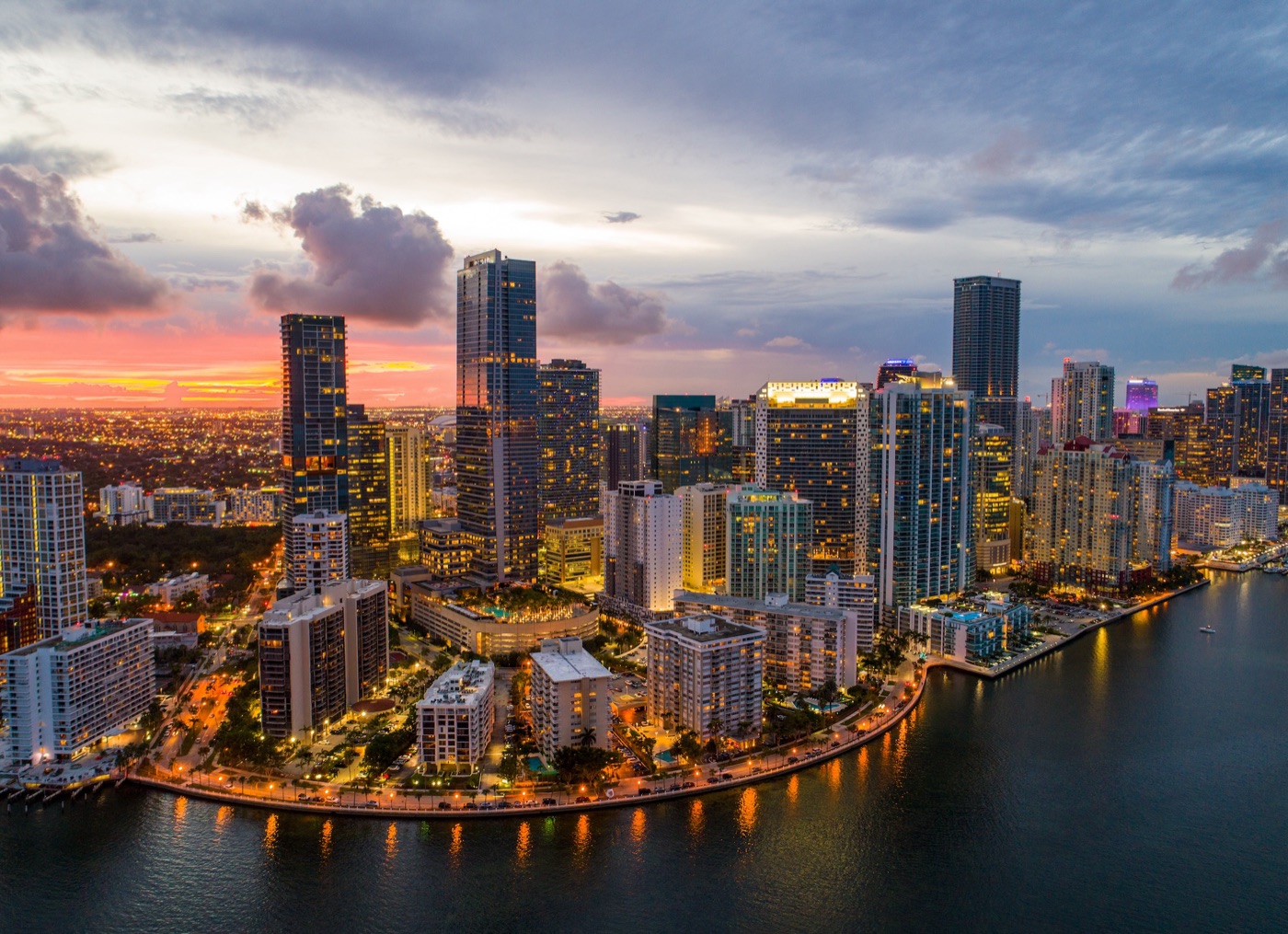
Most people think of Miami Beach as a condo market, and it largely is. But there is a meaningful single-family sector on Miami Beach, concentrated on the waterfront streets and finger islands of North Beach, the Sunset Islands, La Gorce Island, and the neighborhoods around Allison Island and Pine Tree Drive. These are some of the most architecturally interesting and price-per-foot-expensive single-family properties in all of Florida.
Waterfront single-family homes on the Sunset Islands and La Gorce Island start around $8 million and climb well past $30 million for renovated estates with deep-water dock access, modern finishes, and strong lot size. What makes Miami Beach single-family unique is the combination of water access, proximity to South Beach culture, and the international character of the community. Buyers from Brazil, Argentina, France, and Israel are consistently active in this segment.
The reality checks on Miami Beach are also more significant than in other neighborhoods. Flood risk is higher here, insurance costs are higher, and the city's ongoing sea-level rise adaptation infrastructure projects mean some streets experience temporary flooding and road closures during heavy rain or king tides. These are manageable realities for the right buyer, but they require clear-eyed underwriting. I always recommend buyers on Miami Beach work with an insurance broker who specializes in coastal Florida before they even make an offer.
The Miami Beach city government has also been more aggressive in recent years about short-term rental regulations, which affects investors buying single-family homes there with rental income expectations. If rental income is part of your strategy on a Miami Beach single-family home, verify the current zoning and licensing requirements carefully before closing.
Bal Harbour and Bay Harbor Islands: Small, Sophisticated, and Underrated
Bal Harbour and Bay Harbor Islands are small communities that often get overlooked in conversations about Miami luxury single-family real estate, but they deserve serious attention from buyers who prioritize safety, community character, and access to the northern Miami Beach corridor. Bal Harbour in particular is one of the most exclusive zip codes in South Florida, anchored by the Bal Harbour Shops and the oceanfront condominiums along Collins Avenue, but there are also single-family homes on the bay side that offer exceptional value relative to comparable properties in Miami Beach proper.
Bay Harbor Islands, which sits just to the west of Bal Harbour across Biscayne Bay, has seen meaningful price appreciation over the past four years. Waterfront single-family homes on Bay Harbor Islands are priced between $4 million and $12 million, and the community has an exceptionally walkable character for Miami. Ruth K. Broad Bay Harbor K-8 Center is a high-performing public school that draws families specifically to this area.
What I tell buyers considering this corridor is to think of it as a quieter, more residential version of Miami Beach with better school options and slightly lower price points. The community is small enough that you actually know your neighbors, and the city services are efficient. For Latin American buyers especially, the cultural and culinary fabric of this area, with strong Venezuelan, Colombian, and Argentine communities, makes it feel immediately familiar.
What to Compare Before You Choose a Neighborhood
After working with buyers across all of these communities, I have found that the decision almost always comes down to the same six factors. Being honest with yourself about which ones matter most to your household will save you months of back-and-forth and a lot of frustration. Here is what I walk every buyer through before we start touring homes:
The six factors I use with every luxury single-family buyer in Miami:
- School quality and zoning: Miami-Dade school assignments are address-specific, and boundaries can shift. Always verify with the district directly before making an offer.
- Flood zone and insurance costs: Request the flood zone designation and elevation certificate for any property you are serious about. Get an insurance quote before you are under contract, not after.
- Commute and connectivity: Map your actual daily routes to work, schools, and the airport. Miami traffic is not forgiving, and 10 miles can mean 45 minutes.
- Lot size and deed restrictions: Some neighborhoods have HOA or city-level deed restrictions that limit additions, guest houses, or short-term rentals. Know what you can and cannot do with the property.
- Total cost of ownership: Add up property taxes, insurance, HOA fees if applicable, and realistic maintenance costs. In Miami luxury single-family, that number often runs $80,000 to $200,000 per year beyond your mortgage.
- Resale demand and buyer pool: Some neighborhoods have a broader buyer pool than others, which matters if you ever need to sell quickly. Coral Gables and Miami Beach tend to attract international buyers, which keeps demand more consistent through domestic market cycles.
Where the Market Is Heading in 2026
In my reading of the current Miami luxury single-family market, inventory remains historically low in the best pockets of Coral Gables, Coconut Grove, and the Miami Beach islands. Days on market for well-priced properties in those neighborhoods has stayed under 60 days through most of 2025, and I expect that to continue into 2026 barring any significant shift in interest rates or a major economic disruption.
The neighborhoods I am watching most closely for appreciation potential in 2026 are the less-covered pockets: the north side of Coconut Grove between Bird Road and Miracle Mile, the Silver Bluff area just east of Coral Gables, and parts of North Miami Beach near Greynolds Park where investors are buying and renovating older single-family homes at price points that still offer room for upside. These are not turn-key luxury options for most buyers, but for investors or buyers willing to do the work, the entry prices are compelling relative to where finished products are trading.
I also want to be direct about what I am not seeing: I am not seeing the frantic, offer-in-24-hours dynamic that defined 2021 and early 2022. The luxury buyer in 2026 is more deliberate, better informed, and more willing to walk away from an overpriced listing. That is actually a healthy market for buyers who do their homework. The sellers who are pricing based on 2022 peak comparables and refusing to negotiate are sitting on their homes. The ones who price accurately are closing.
If you are thinking about making a move in Miami's luxury single-family market in 2026, the fundamentals are sound. South Florida continues to attract capital, people, and businesses from across the country and from Latin America and Europe. The no-income-tax advantage, the climate, and the improving quality of life infrastructure all remain intact. This is not a market I expect to pull back sharply, but it is also not a market where you can overpay and expect appreciation to bail you out in a short window.
Working With an Agent Who Knows These Neighborhoods From the Inside
Every neighborhood I described in this post has micro-pockets within it that trade very differently from the broader neighborhood averages. The north side of a major road versus the south side. One block from a school zone versus inside it. A lot with southern exposure versus one that is shaded all afternoon. These details are invisible in a Zillow search and they matter enormously to both your daily experience and your eventual resale.
I have been working with buyers and sellers across all of these Miami communities for years, and I bring that specific, block-level knowledge to every client relationship. Whether you are relocating from New York, moving from Latin America, or already in Miami and ready to upgrade, I want to help you make a confident and well-informed decision. Hablamos Espanol, and I work with clients at every price point in the luxury single-family segment.
The best first step is a conversation. Tell me your priorities, your timeline, and your budget range, and I will tell you honestly which neighborhoods make sense and which ones probably do not. You can reach me directly at (954) 833-0020, and I am happy to schedule a call, a tour, or a market briefing at your convenience.
Let's Talk Miami Luxury Single-Family Homes
Whether you are just starting your search or ready to make an offer, I am here to help you navigate Miami's luxury single-family market with the specificity and honesty you deserve. Call (954) 833-0020 today.
Related Articles
February 2026 · 9 min read
Aventura Real Estate Guide: Condos, Schools & Lifestyle (2026)
Luxury high-rises, top-rated schools, and the Aventura Mall — why families and investors love this North Miami suburb.
Read article →February 2026 · 9 min read
Airbnb Investment Properties in Miami: Rules, ROI & Best Areas
Short-term rental regulations, income projections, and the best Miami neighborhoods for Airbnb investing.
Read article →July 2026 · 10 min read
Bay Harbor Islands Real Estate Guide: Homes, Condos & Market (2026)
Waterfront homes with private docks, boutique condos, and a top-rated K-8 school make Bay Harbor Islands one of Miami's best-kept secrets. A bilingual 2026 buyer guide with prices and consejos para compradores. Hablamos Espanol.
Read article →