How to Sell a Luxury Single-Family Home in Miami (2026)
By Rangely Adames • August 2026 • 11 min read
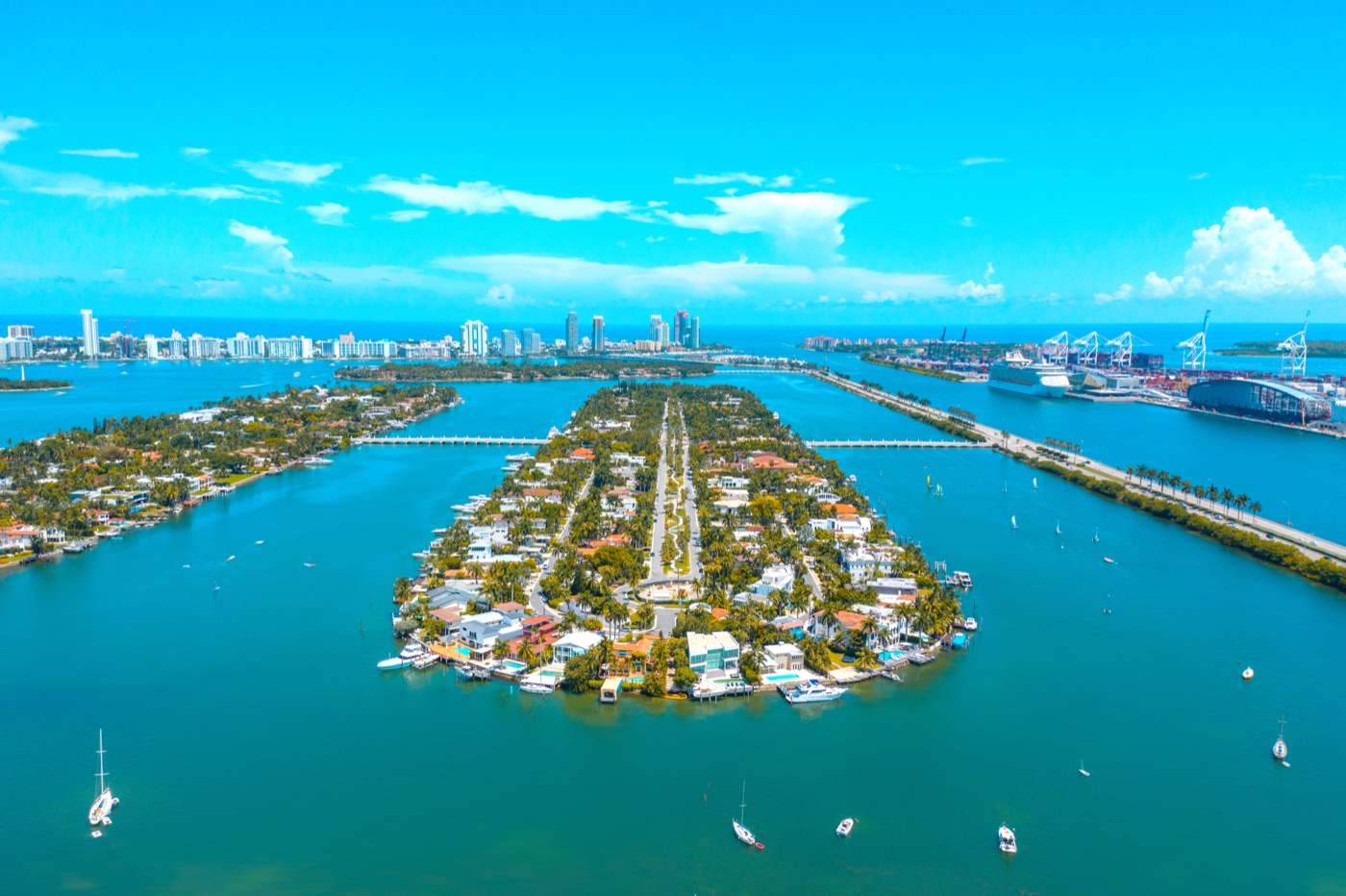
Selling a luxury single-family home in Miami is one of the most financially significant decisions most people will ever make. I have guided sellers through this process in Coral Gables, Coconut Grove, Pinecrest, Key Biscayne, Miami Beach, and Star Island, and no two transactions have ever been exactly alike. The buyers are sophisticated, the price points are high, and the margin for error is narrow. A mispriced listing, a poor set of photos, or a single bad negotiation move can cost a seller hundreds of thousands of dollars.
What I see most often is sellers who treat a luxury home sale the same way they would treat selling a mid-range property. They pick an agent based on a neighborhood mailer, accept the highest suggested list price without questioning it, and assume the home will sell itself because it is beautiful. Miami luxury buyers do not work that way. They have seen dozens of properties, they have data, and they have patient advisors. If your team is not equally prepared, the transaction will reflect that.
This guide covers everything I walk through with my sellers before we go to market. From setting the right price to understanding the tax implications at closing, this is the practical, street-level knowledge that actually moves luxury homes in Miami at the numbers sellers deserve.
Ready to Talk About Selling Your Miami Home?
I work with sellers across Coral Gables, Key Biscayne, Coconut Grove, Miami Beach, and Pinecrest to build pricing and marketing strategies that get results. Hablamos Espanol. Call me at (954) 833-0020 to schedule a confidential conversation about your home.
Call (954) 833-0020Understanding the Miami Luxury Single-Family Market Right Now
The Miami luxury single-family market in 2026 is defined by strong demand at specific price bands and notable softening at others. Homes priced between $2 million and $5 million in neighborhoods like Coral Gables, Coconut Grove, and South Miami are moving at a reasonably healthy pace, typically going under contract within 60 to 90 days when priced correctly. Above $10 million, the pool of qualified buyers shrinks significantly, and days on market often stretch past 180 days even for genuinely exceptional properties.
Key Biscayne and Pinecrest remain two of the most consistent markets for luxury single-family sales. In Key Biscayne, waterfront homes regularly trade between $5 million and $15 million, and inventory stays tight because the island has no room left to build. Pinecrest attracts buyers who want larger lots, top-rated public schools, and a quieter pace without sacrificing proximity to Brickell or the airport. Homes in Pinecrest between $2 million and $4 million often see multiple offers when they hit the market well-prepared.
Star Island and North Bay Road on Miami Beach represent the ultra-prime waterfront tier. These properties are in a category of their own, selling to a global buyer pool that includes South American principals, European investors, and domestic wealth relocating from New York and California. Marketing at this level requires international reach, not just local MLS exposure. I factor that into every strategy I build for a waterfront seller.
Explore on rangelyadames.com
Pricing Your Home to Sell, Not Just to List
The most common mistake luxury sellers make in Miami is accepting a list price that flatters the home rather than one that serves the seller's actual goal. Every agent wants the listing, and some agents win listings by suggesting aggressive prices. Six months later, the home has sat on the market with price reductions, and buyers now assume something is wrong with it. That stigma is real and it is expensive to overcome.
I approach pricing through three lenses. First, I look at closed comparable sales in the last six months, accounting for lot size, waterfront footage, interior square footage, pool size, and finishes. Second, I analyze currently active competition, because buyers are comparing your home to everything else available right now. Third, I assess absorption rate, meaning how many similar homes have sold per month versus how many are listed. If there are 12 homes competing for 2 buyers per month, you need to price sharper than if the ratio is more favorable.
In Coconut Grove, for example, a renovated 4-bedroom, 3.5-bath home on a 12,000-square-foot lot with no water view might close between $2.2 million and $2.8 million depending on finishes, age of the kitchen and baths, and whether the pool and landscaping are turn-key. A comparable home with bay views in Morningside or the Roads might command a 15 to 25 percent premium over that. These distinctions matter, and I will give you a detailed breakdown specific to your address before we agree on a number.
Preparing Your Home Before It Hits the Market
Luxury buyers in Miami are not buying potential. They are buying a finished product, or they are expecting a meaningful price concession if the home needs work. I always advise sellers to invest strategically in preparation before going live, because the return on certain improvements is dramatic while others are money that does not come back.
The areas that consistently deliver the highest return on investment for luxury single-family sellers in Miami are: updated kitchen finishes such as new countertops and hardware if the layout is already solid, freshly resurfaced pool and new pool equipment, professional landscaping with mature palms and clean sightlines from the street, updated primary bathroom fixtures, and a complete deep clean and declutter. These are not full renovations. They are targeted improvements that change how a buyer feels when they walk through the door.
What sellers often overlook is the condition of the roof, the air conditioning systems, and the impact window certifications. In Miami, a buyer's inspector will flag every deferred maintenance item, and sophisticated buyers use those findings to renegotiate the price aggressively after they are already under contract. If your roof is 15 years old and the AC units are original, I will tell you up front so we can either address them before listing or price accordingly. Surprises at inspection cost sellers more than the repairs would have.
Staging is non-negotiable at the luxury level. A furnished and staged home photographs better, shows better, and sells faster. For homes above $3 million I recommend professional staging throughout the primary living spaces and the primary bedroom at a minimum. The cost is typically $3,000 to $8,000 depending on the size of the home, and it almost always results in a faster sale and a stronger offer.
Marketing That Reaches the Right Buyers
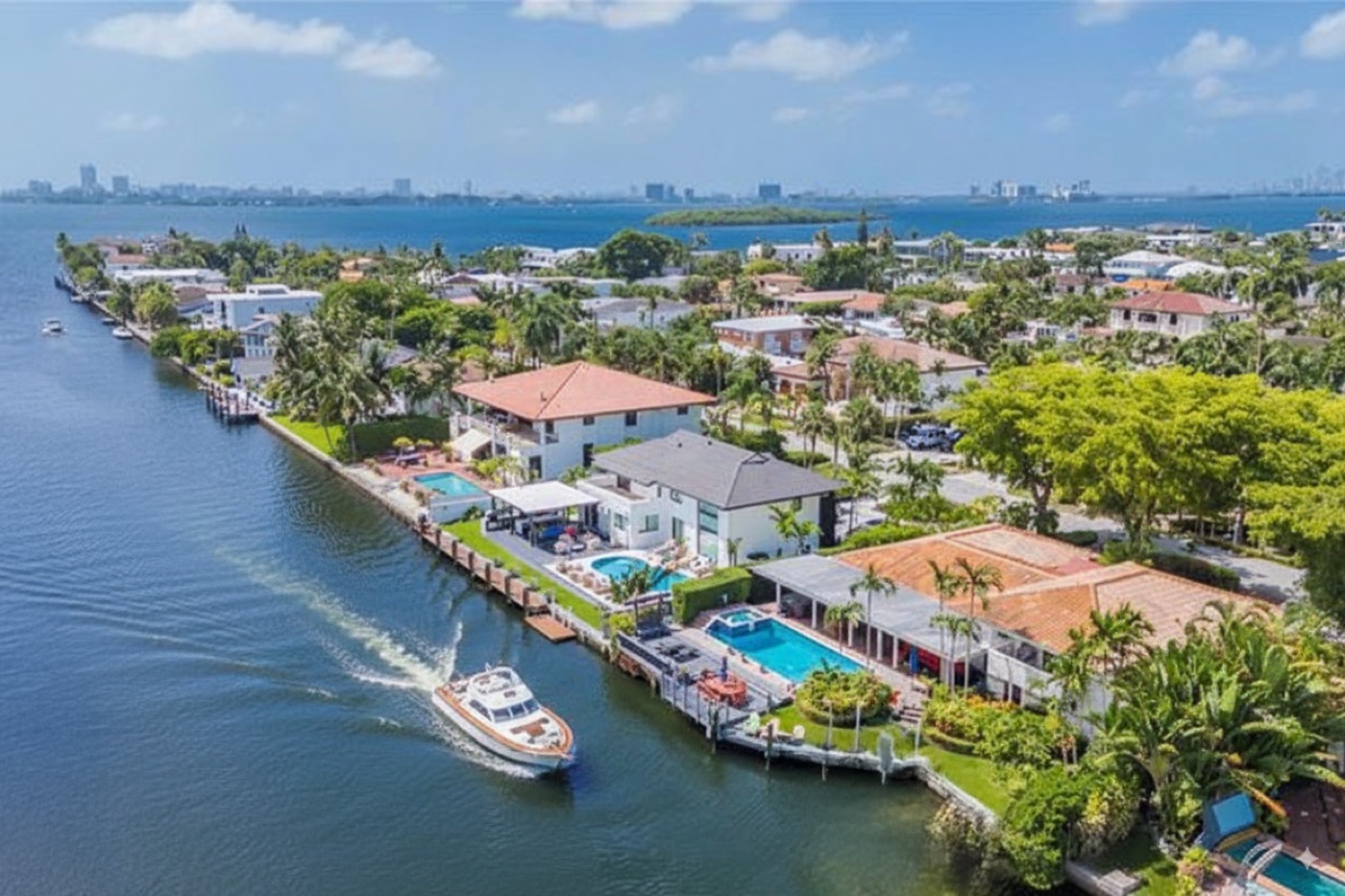
The Miami luxury buyer pool is global. My sellers in Coral Gables attract buyers relocating from New York and Chicago. My Key Biscayne and Miami Beach sellers attract buyers from Brazil, Argentina, Colombia, Venezuela, Mexico, and increasingly from Spain and Portugal. A marketing plan that only reaches local Miami buyers is leaving a significant portion of the real buyer pool on the table.
My marketing for luxury single-family homes includes professional photography with a licensed architectural photographer, not a real estate generalist with a wide-angle lens. It includes a 3D Matterport walkthrough and a cinematic video tour that is edited for social media distribution as well as property websites. It includes targeted digital advertising on Instagram, Facebook, and YouTube aimed at wealth demographics in key feeder markets. And it includes direct outreach to my network of Miami luxury agents, because the majority of luxury deals involve cooperating brokers.
Because I work with a large number of Latin American buyers and sellers, I market in both English and Spanish across my channels. Many of the buyers for Miami luxury properties are Spanish-speaking principals who prefer to conduct their initial research in Spanish and then transition to English for the legal and transactional details. Being able to communicate with them directly, without a translator in the middle, consistently makes a difference in converting interest to offers.
I also place listings in international real estate portals and coordinate with Miami-based luxury networks that have relationships with wealth managers, family offices, and corporate relocation specialists. If your home is priced above $5 million, that network exposure is often where the buyer ultimately comes from.
Navigating Offers and Negotiation at the Luxury Level
When an offer comes in on a luxury home, the price is only the beginning of what needs to be negotiated. At the $3 million to $10 million price point in Miami, sellers need to pay close attention to the financing contingency, the inspection period, the closing timeline, and what is or is not included in the sale.
Cash offers are common in Miami luxury sales, but cash does not always mean the buyer is unqualified or that the deal is simple. Cash buyers often request extended inspection periods and use that time to conduct very thorough due diligence. They also know they are bringing certainty to the seller and will use that as leverage to negotiate price. My job is to evaluate whether a slightly lower cash offer is actually better than a financed offer at ask, once you factor in the risk of appraisal gaps and mortgage contingencies.
I guide every seller through this analysis before they accept or counter any offer. Common points to negotiate beyond price include: the personal property and fixtures included in the sale such as lighting, built-in furniture, outdoor furniture, and appliances; credits for known deferred maintenance items instead of repair obligations; the closing date, since luxury sellers often need time to find their next home or coordinate an international move; and post-closing possession, which I see requested frequently by sellers who need additional time after closing.
Sellers should also understand that in Florida, if a buyer walks away after the inspection period and before the end of any financing contingency, the path to keeping the deposit depends entirely on how the contract was written. I review every clause of the AS-IS Residential Contract or the FAR-BAR contract with my sellers so there are no surprises.
Closing Costs and Tax Considerations for Miami Sellers
Florida has no state income tax, which is one of the reasons sellers who have relocated here from high-tax states feel good about their position. But there are still meaningful costs at the closing table that every Miami luxury seller should plan for before accepting an offer.
On the seller side, the primary closing costs include the real estate commission, Florida documentary stamp tax on the deed at $0.70 per $100 of the sale price, and if the property is on Miami Beach or within certain municipalities, there can be additional local surtaxes. For a $5 million sale, the documentary stamp tax alone is $35,000. Add the commission, title-related fees, any prorated property taxes, and payoff of any existing mortgage, and sellers should budget 6 to 8 percent of the sale price in total closing costs.
If you purchased the home for significantly less than you are selling it for, federal capital gains tax applies. For a primary residence you have owned and lived in for at least two of the last five years, the IRS allows an exclusion of $250,000 for single filers and $500,000 for married couples. Gains above that threshold are taxed at the federal long-term capital gains rate, which for most luxury sellers is 20 percent, plus the 3.8 percent net investment income tax if your income exceeds the applicable threshold.
I always recommend sellers consult with a CPA who specializes in real estate transactions before listing. Timing the sale, structuring a 1031 exchange into an investment property, or understanding how a sale affects your overall tax picture for the year are all conversations that need to happen before the closing date, not after.
Common Seller Mistakes That Cost Real Money
After years of representing sellers across Miami's luxury single-family market, I have seen the same avoidable mistakes come up again and again. Here are the ones that cost sellers the most money and the most time.
Overpricing at launch is the biggest mistake. A home that sits for 90 days with no offers and then reduces its price signals to every buyer that the seller is either unrealistic or that there is something wrong with the property. Buyers who saw it the first week at the higher price will often come back at the reduced price and negotiate even lower, because they have leverage now.
Choosing an agent based on commission rate rather than capability is the second most expensive mistake. A skilled agent who earns a full commission and sells your home at 98 percent of ask in 45 days will put far more money in your pocket than a discount agent who achieves 90 percent of ask after six months on market. The math is straightforward.
Refusing to prepare the home before listing is another costly shortcut. I had a seller in Coral Gables who declined to resurface the pool or update the outdated kitchen lighting because they did not want to spend $15,000 before the sale. The buyer's inspector flagged both, the buyer requested a $60,000 credit, and we settled at $40,000 less than the original offer price. The $15,000 investment would have paid back more than twice over.
Finally, not understanding the buyer pool leads to poor marketing decisions. If you are selling a $7 million waterfront home in Miami Beach and your agent is only marketing it locally, you are missing the Latin American buyer who might be your best prospect. I know that buyer because I work with them every week.
The most damaging seller mistakes I see in the Miami luxury single-family market, summarized:
- Overpricing at launch and watching the listing go stale while buyers move on to fresher inventory
- Skipping preparation and staging because the home feels impressive as-is, then losing ground at inspection
- Choosing a listing agent based on flattery or commission discount rather than proven results in the price range
- Marketing only to local Miami buyers when the real buyer pool is national and international
- Accepting a headline number without fully analyzing the contingencies and net proceeds in the offer
- Failing to consult a CPA before closing and getting surprised by the capital gains tax calculation
- Not budgeting for closing costs and ending up with less net cash than expected at the table
The Right Time to Sell, and When to Wait
Miami does not have dramatic seasons the way the Northeast does, but the luxury single-family market does move in recognizable cycles. October through April is the strongest selling window, driven by snowbird and seasonal buyer activity, winter escapes from cold markets, and the annual influx of buyers who tour properties during Art Basel, the Miami Open, and other signature events.
May through August is quieter but not dead. Serious buyers are always in the market, and with less active competition from other sellers, a well-prepared home can still perform very well. The buyers who are shopping in July are typically making real decisions, not just browsing. In my experience, summer listings that are priced correctly and marketed aggressively often close faster than the same home would in a crowded spring market.
If your home needs significant work before it is market-ready, do not rush to list before it is ready. A home that hits the market in September fully prepared will perform better than the same home that listed in May in rough condition. The right timing is when the home is ready and when your pricing strategy is built on current data, not on what a neighbor sold for 18 months ago.
If you are thinking about selling and are not sure whether now is the right moment, I am happy to run a current market analysis for your specific property and neighborhood at no charge. Call me directly at (954) 833-0020 and we will talk through what the data shows for your home right now.
Let's Talk About Your Home's Value
Whether you are ready to list now or planning for 12 months from now, I can give you a clear picture of what your Miami luxury home is worth in this market. Call Rangely at (954) 833-0020 today.
Related Articles
September 28, 2026 · 10 min read
Argentine Buyers Guide to Miami Real Estate: Process, Financing Themes, and Neighborhood Fit (2026)
Buying Miami real estate from Argentina is workable when you separate what your agent coordinates from what your attorney, CPA, and lender decide. This support guide walks through the process, financing themes, remote closing, and neighborhood fit, then points you to the Argentina foreign-buyer hub for next steps.
Read article →February 2026 · 9 min read
Aventura Real Estate Guide: Condos, Schools & Lifestyle (2026)
Luxury high-rises, top-rated schools, and the Aventura Mall — why families and investors love this North Miami suburb.
Read article →February 2026 · 9 min read
Airbnb Investment Properties in Miami: Rules, ROI & Best Areas
Short-term rental regulations, income projections, and the best Miami neighborhoods for Airbnb investing.
Read article →