Buying a Miami Waterfront Condo With Dock or Marina Access (2026)
By Rangely Adames • September 2026 • 11 min read
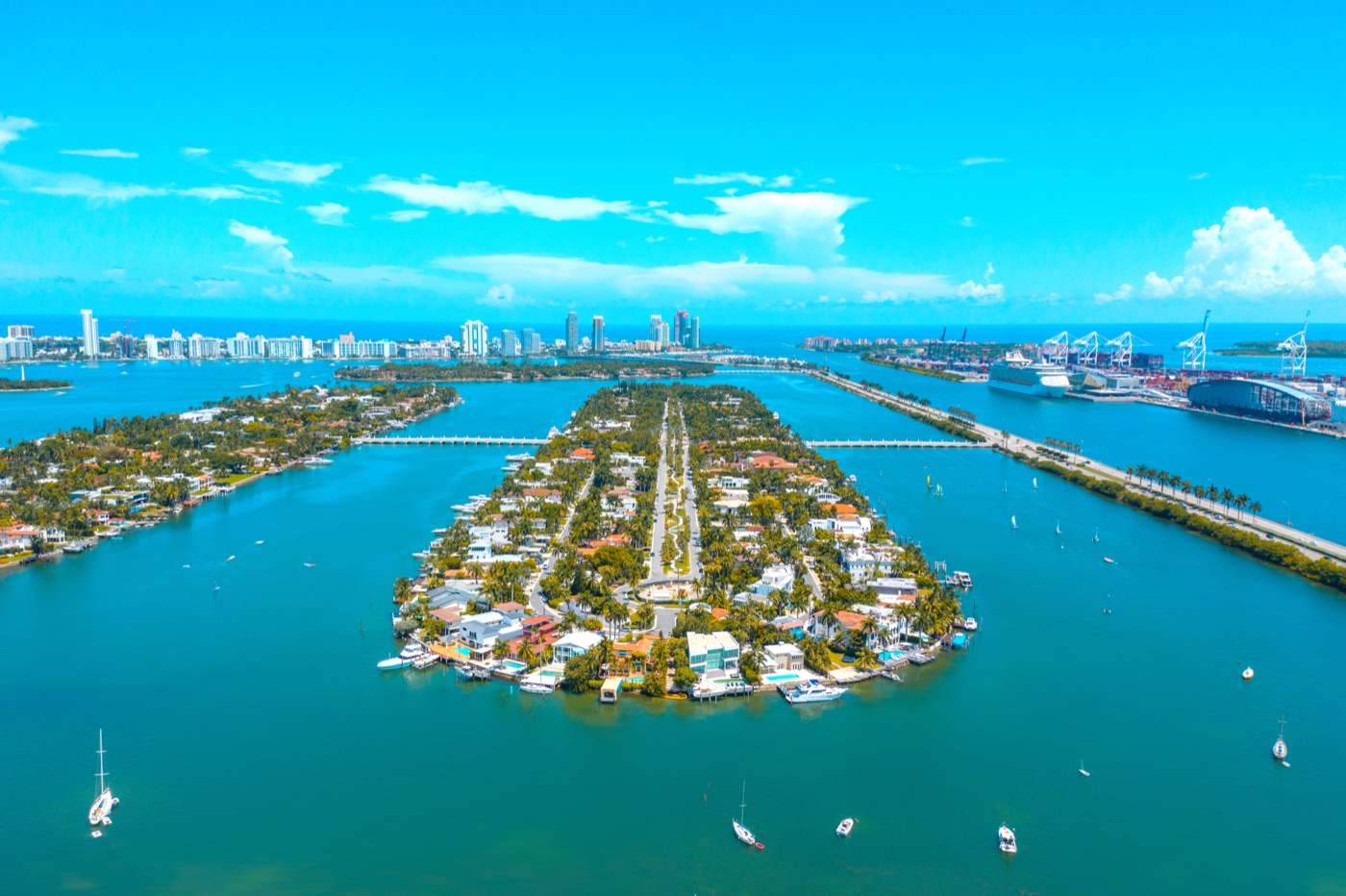
One of the most common misconceptions I see among buyers shopping for waterfront condos in Miami is the assumption that a water view automatically comes with water access. It does not. A building can sit directly on Biscayne Bay with gorgeous views from every window and still have no dock, no boat slip, and no way to get your vessel in the water without driving to a public ramp or renting a slip at a separate marina. If boating is part of your lifestyle, that distinction matters enormously, and sorting it out before you fall in love with a unit will save you a lot of frustration.
I work with buyers all the time who come to Miami from New York, California, and Latin America specifically because they want to combine luxury condo living with serious boating. Miami makes that possible in a way almost no other American city can match. You have direct access to Biscayne Bay, the Intracoastal Waterway, the Atlantic Ocean, and the Florida Keys, all within a reasonable boat ride. The challenge is that genuine dock or marina access tied directly to a condo building is rarer and more complex than most buyers expect, and the price premium it commands is real.
In this guide I am going to walk you through the neighborhoods where true dock-access condos exist, what those slips actually cost, what the HOA and ownership structures typically look like, and the due diligence questions you absolutely need answered before you make an offer. Hablamos Espanol, and I am happy to walk through any of this with you personally. Call me at (954) 833-0020 and we can talk through your specific situation.
Ready to Find Your Miami Marina Condo?
I work with boating buyers across Coconut Grove, Edgewater, Key Biscayne, and Aventura every week. Hablamos Espanol. Call (954) 833-0020 and let us find the right building and slip for your lifestyle.
Call (954) 833-0020Why Miami Is the Premier Market for Boating and Condo Living Combined
Miami sits at a genuinely unique geographic intersection. Biscayne Bay runs along the eastern edge of the mainland, the Intracoastal Waterway threads through Miami Beach and the barrier islands, and dozens of navigable canals push into neighborhoods like Coconut Grove, Edgewater, and the Upper East Side. That network means a boat owner living in the right condo building can go from their slip to open ocean in under twenty minutes on most days.
The demand for dock-access condos has climbed steadily over the past four years. Part of that is the influx of high-net-worth buyers who relocated from the Northeast and the West Coast and brought their boat ownership habits with them. Part of it is Latin American buyers, particularly from Colombia, Venezuela, Brazil, and Argentina, who see Miami boating as a core part of the lifestyle they are buying into. Supply has not kept up with that demand, which is one reason well-positioned slips command serious premiums and rarely sit vacant for long.
What makes Miami different from Fort Lauderdale, which is sometimes called the yachting capital of the world, is that Miami combines the boating infrastructure with a global luxury condo market, international dining, art, finance, and nightlife all within a few miles. Fort Lauderdale has more raw marina capacity. Miami has the full package. For the buyers I work with who want both, Miami is almost always the right answer.
Explore on rangelyadames.com
The Neighborhoods Where Dock-Access Condos Actually Exist
Not every Miami neighborhood has the canal depth, the zoning, or the building design to support private docks. Here is where I actually find inventory for clients who want the full boating lifestyle.
Coconut Grove is my first call for most boating-focused buyers. The Grove has been a sailing and boating community since the 1800s, and it shows. Buildings like Grove Isle, Mutiny at Coconut Grove, and several smaller boutique projects along South Bayshore Drive either have private slips or direct proximity to the Coconut Grove Marina, which is one of the most active marinas in South Florida. Prices in the Grove for waterfront condos with genuine slip access start around 1.2 million dollars and push well past 5 million for larger units in buildings with deep-water dockage.
Edgewater is a neighborhood that has transformed dramatically in the past decade. The stretch along Biscayne Bay between downtown Miami and Wynwood now hosts buildings like Missoni Baia, Elysee Miami, and Gran Paraiso. Several of these buildings have private marina facilities or dock access built into the amenity package. Prices range from around 700,000 dollars for a one-bedroom to over 4 million for larger penthouse-level units. The Edgewater marina facilities tend to accommodate vessels up to about 50 or 60 feet depending on the building.
Key Biscayne deserves its own conversation. The island sits at the edge of Biscayne Bay and is surrounded by water on three sides. Buildings like Grand Bay Residences and several of the older condominium towers along Crandon Boulevard have dockage, and the Key Biscayne Yacht Club adds to the overall boating culture of the island. Prices here are among the highest per square foot in Miami, regularly running from 1,500 to over 2,500 dollars per square foot for water-facing units with slip access.
Aventura and Sunny Isles Beach offer options at a somewhat broader price range. The Intracoastal runs directly through Aventura, and buildings like Porto Vita and Artech have private marina facilities. Sunny Isles Beach is more ocean-facing than canal-oriented, so true dock access is less common there, but a few buildings on the western side of Collins Avenue have Intracoastal access. In Aventura, you can find units with slip access in the 900,000 to 3 million dollar range depending on size and the quality of the marina.
Brickell has waterfront condos with bay views, but genuine private dock access in the Brickell corridor is limited. The seawall geometry and the commercial boat traffic on the Miami River make private slip integration more complicated. A few buildings have small dock facilities, but if boating is your primary motivation, I usually steer clients toward the Grove, Edgewater, or Key Biscayne first.
How Slip Ownership and Leasing Actually Works in Miami Condo Buildings
This is where I see the most confusion, even among experienced real estate buyers. The ownership structure of a boat slip in a Miami condo building can take several different forms, and each one has different financial and practical implications.
In some buildings, slips are deeded separately as their own property parcels. This means you own the slip outright, it appears on a separate deed, and it can in theory be sold or rented independently of your condo unit. Buildings with deeded slips include some of the older Coconut Grove projects and a handful of Aventura properties. Deeded slips are the cleanest ownership structure and give you the most flexibility. Prices for deeded slips in Miami have been running anywhere from 50,000 dollars for a smaller Intracoastal slip to over 300,000 dollars for a deep-water slip capable of handling a 60-foot-plus vessel.
In other buildings, slips are owned by the condominium association and assigned to unit owners on a use-right or license basis. You do not own the slip, but you have the right to use it as long as you own your unit. These arrangements are common in newer luxury buildings. The slip may be included in your HOA fee or may carry a separate monthly charge, typically between 300 and 1,500 dollars per month depending on slip size and building prestige.
A third structure involves a separate marina club or homeowner entity that operates the dockage independently. Membership may be required to purchase a unit, or it may be optional. Make sure you understand exactly what you are getting and what happens to your slip rights if you ever rent out your unit or sell it.
I always recommend having your real estate attorney review the condominium documents, specifically the declaration, the rules and regulations, and the marina or dock agreement, before you close on any unit where boating access is part of the value proposition. I have seen buyers close on units expecting a slip and discover that the slip they were verbally promised was actually assigned to a different unit or was on a waiting list.
What Waterfront and Dock Access Actually Adds to the Price
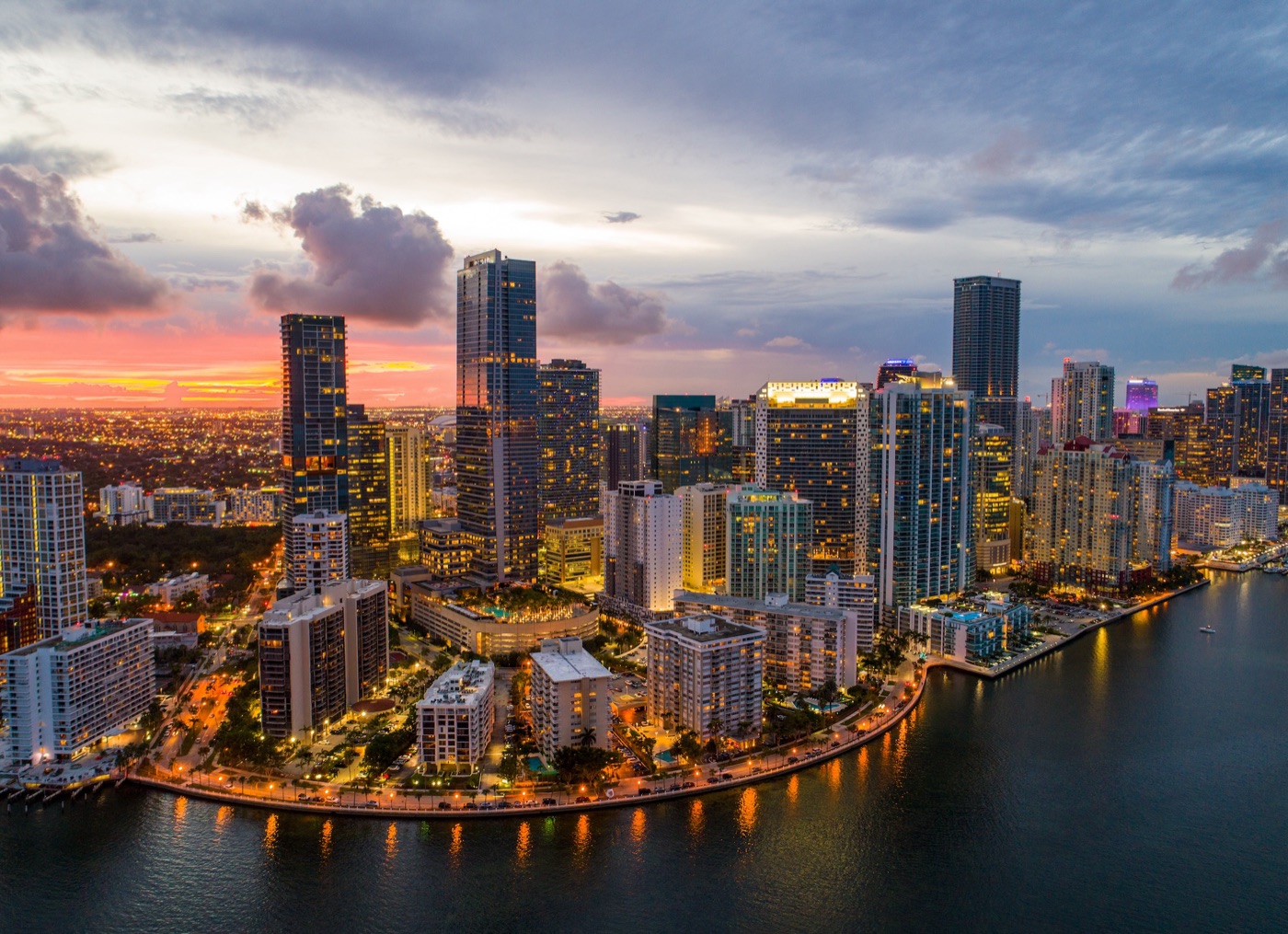
The premium for genuine dock access in Miami is substantial and measurable. In my experience working with buyers and sellers across Coconut Grove, Edgewater, and Key Biscayne, a comparable unit with a deeded slip or guaranteed slip access commands a premium of roughly 15 to 30 percent over a similar unit in the same building without slip access, and 20 to 40 percent over a comparable unit in a building with no dock facilities at all.
At the building level, buildings with private marinas tend to appreciate more consistently than non-marina waterfront buildings during soft market periods. Boating buyers have a very specific set of requirements, and when they find a building that checks every box, they are generally willing to pay for it and hold onto it. That stickiness in the buyer pool tends to put a floor under prices.
On the rental side, if your building allows short-term or vacation rentals, a unit marketed with marina access will lease at a meaningfully higher nightly or monthly rate. I have seen long-term rental premiums of 500 to 2,000 dollars per month for units with confirmed slip access compared to non-slip units in the same building. That is real income that can offset a meaningful portion of HOA fees.
You also need to factor in the costs associated with the slip itself. Beyond the purchase price or monthly fee, you will typically pay for electricity at the dock, fresh water service, liveaboard fees if applicable, insurance for the vessel and dock, and any lift or davit installation if the building permits it. Budget an additional 500 to 2,500 dollars per month in operating costs for an active boating lifestyle, depending on the size of your vessel.
Key Due Diligence Questions Before You Buy
Every buyer I work with on a marina or dock-access purchase gets the same list of questions from me before we move forward. I am going to share them here because they will save you time, money, and disappointment.
First, confirm the slip dimensions and the vessel size limits. A slip rated for a 35-foot vessel will not work if you have or plan to own a 50-footer. Get the exact dimensions in writing, not just a verbal assurance from the seller or listing agent.
Second, find out whether the slip conveys with the unit or is a separate purchase. If it is separate, get the deed or the assignment agreement reviewed by your attorney before you agree to a price.
Third, ask about the water depth at the slip, both at mean low tide and mean high tide. South Florida tides are modest compared to the Northeast, but shallow water near the dock can still damage a vessel with a deep draft.
Fourth, ask about waitlists. In some buildings, slips are not guaranteed to every unit owner. There may be a waitlist of two, five, or even ten years. I have seen buyers shocked to learn that the marina amenity they were counting on would not be available to them for years.
Fifth, review the marina rules carefully. Some buildings prohibit liveaboards, overnight stays on vessels, certain types of engines, or vessels above a specific length or beam width. Know the rules before you buy.
Sixth, check whether the marina or dock facility is maintained by the condo association or by a third party, and what the capital reserve situation looks like for dock repairs, seawall maintenance, and future dredging if the water has silted in.
Seventh, verify the insurance picture. Flood coverage, windstorm coverage for the dock structure, and your personal vessel insurance all need to work together. Miami is in a high-risk hurricane zone, and a marina that is not properly covered can leave you with enormous exposure after a storm.
Here is a quick summary of the seven questions I always ask on a dock-access purchase:
- What are the exact slip dimensions and maximum vessel length and beam?
- Does the slip convey with the unit on the same deed, or is it a separate transaction?
- What is the water depth at mean low tide and mean high tide?
- Is there a slip waitlist, and how long is the current wait?
- What are the marina rules regarding overnight stays, vessel types, and engine restrictions?
- Who maintains the dock and seawall, and what do the capital reserves look like?
- How does the building's insurance coordinate with the owner's vessel and dock coverage?
Buildings Worth Knowing in Miami's Marina-Access Condo Market
I want to give you a sense of the actual inventory landscape rather than just speaking in generalities. While I am not going to recommend any single building as universally superior, because every buyer's situation is different, there are buildings I come back to repeatedly when clients have boating as a priority.
Grove Isle in Coconut Grove sits on a private island connected to the mainland by a causeway, and it has marina facilities that can accommodate vessels up to around 75 feet. The community is gated, quiet, and exceptionally private. Units range from about 1.5 million dollars for a two-bedroom to over 6 million for larger or renovated units. HOA fees here are substantial, typically in the 2,500 to 5,000 dollar per month range, but they cover an unusually comprehensive set of services and the island setting justifies much of it.
Missoni Baia in Edgewater is one of the newer luxury towers with a private dock facility. The building is known for its design quality, its amenity deck, and its views across Biscayne Bay toward Miami Beach. Units start around 1.1 million dollars and the dock facility accommodates vessels up to about 50 feet. HOA fees run approximately 1,400 to 2,200 dollars per month depending on the unit.
Porto Vita in Aventura is a resort-style gated community with a private marina on the Intracoastal. The project includes multiple buildings, a beach club, and a spa. Slip access is part of the lifestyle here, and the community attracts a mix of full-time residents and part-time buyers who winter in Miami. Prices range from about 900,000 dollars to over 3.5 million for the larger units.
In Key Biscayne, the older condo towers along Crandon Boulevard were built in an era when dock access was expected, not exceptional. Many of those buildings have private dock facilities that have been maintained and updated over the decades. You will pay a premium for the island location and the slip, but Key Biscayne real estate has historically held its value extremely well through market cycles.
How Hurricanes and Insurance Affect Waterfront Condo Decisions
Miami buyers always need to think carefully about hurricane risk, and that calculus is heightened when you are buying a waterfront property with dock access. Storm surge, wave action, and high winds affect both the building and any vessel moored at the dock.
Most condo buildings on or near the water in Miami are built to current Florida Building Code hurricane standards, which require impact-resistant windows, reinforced concrete construction, and engineered roofs. Buildings constructed after 2002 and especially after the 2005 hurricane season upgrades are generally in much better shape than older structures. When I am working with a buyer on a waterfront condo, I always look at the building's year of construction and any major structural updates as part of the evaluation.
For your vessel, most marinas and docks in Miami have hurricane haul-out policies that require boats to be removed or professionally secured before a named storm. Some marinas have on-site storage or dry-dock facilities. Others require you to arrange your own haul-out. Find out what the policy is and budget for haul-out costs, which can run from 500 to several thousand dollars depending on vessel size.
On the insurance side, windstorm coverage in Miami-Dade County is expensive. A waterfront condo with a deeded slip may require separate windstorm policies for the unit, the slip structure, and the vessel. Work with a Florida-licensed insurance broker who specializes in marine and coastal properties. The total annual insurance cost for a waterfront condo lifestyle, including your unit, your slip, and your vessel, can easily reach 15,000 to 40,000 dollars per year depending on the values involved. That number needs to be part of your total cost of ownership calculation before you buy.
Working With a Miami Agent Who Understands Both the Real Estate and the Boating Lifestyle
Buying a waterfront condo with dock or marina access in Miami is not a transaction you want to navigate with a generalist agent who has never vetted a slip agreement or reviewed a marina easement. The due diligence process is specific, the documents are detailed, and the negotiations around slip inclusion or exclusion can make or break the deal.
I have been working with waterfront and marina-access buyers across Miami for years, including buyers from Colombia, Argentina, Venezuela, Brazil, Mexico, and across Europe who are purchasing in Miami for the first time. Many of them come to me because Hablamos Espanol and they want to understand every document, every fee, and every risk in their own language. That matters when you are making a multi-million dollar decision in a foreign market.
If you are thinking about buying a waterfront condo with dock access in Miami, whether that is in Coconut Grove, Edgewater, Key Biscayne, Aventura, or anywhere else in the market, I want to help you find the right building, the right slip, and the right structure for your lifestyle and your investment goals. Call me directly at (954) 833-0020 and let us get started.
Let's Find Your Miami Waterfront Home With Real Dock Access
Whether you are buying your first Miami property or adding to an existing portfolio, I can help you navigate the marina-access condo market with confidence. Call Rangely Adames at (954) 833-0020 today.
Related Articles
February 2026 · 9 min read
Aventura Real Estate Guide: Condos, Schools & Lifestyle (2026)
Luxury high-rises, top-rated schools, and the Aventura Mall — why families and investors love this North Miami suburb.
Read article →February 2026 · 9 min read
Airbnb Investment Properties in Miami: Rules, ROI & Best Areas
Short-term rental regulations, income projections, and the best Miami neighborhoods for Airbnb investing.
Read article →July 2026 · 10 min read
Bay Harbor Islands Real Estate Guide: Homes, Condos & Market (2026)
Waterfront homes with private docks, boutique condos, and a top-rated K-8 school make Bay Harbor Islands one of Miami's best-kept secrets. A bilingual 2026 buyer guide with prices and consejos para compradores. Hablamos Espanol.
Read article →