How to Buy Miami Real Estate Remotely with a Power of Attorney Closing (2026)
By Rangely Adames • September 27, 2026 • 12 min read
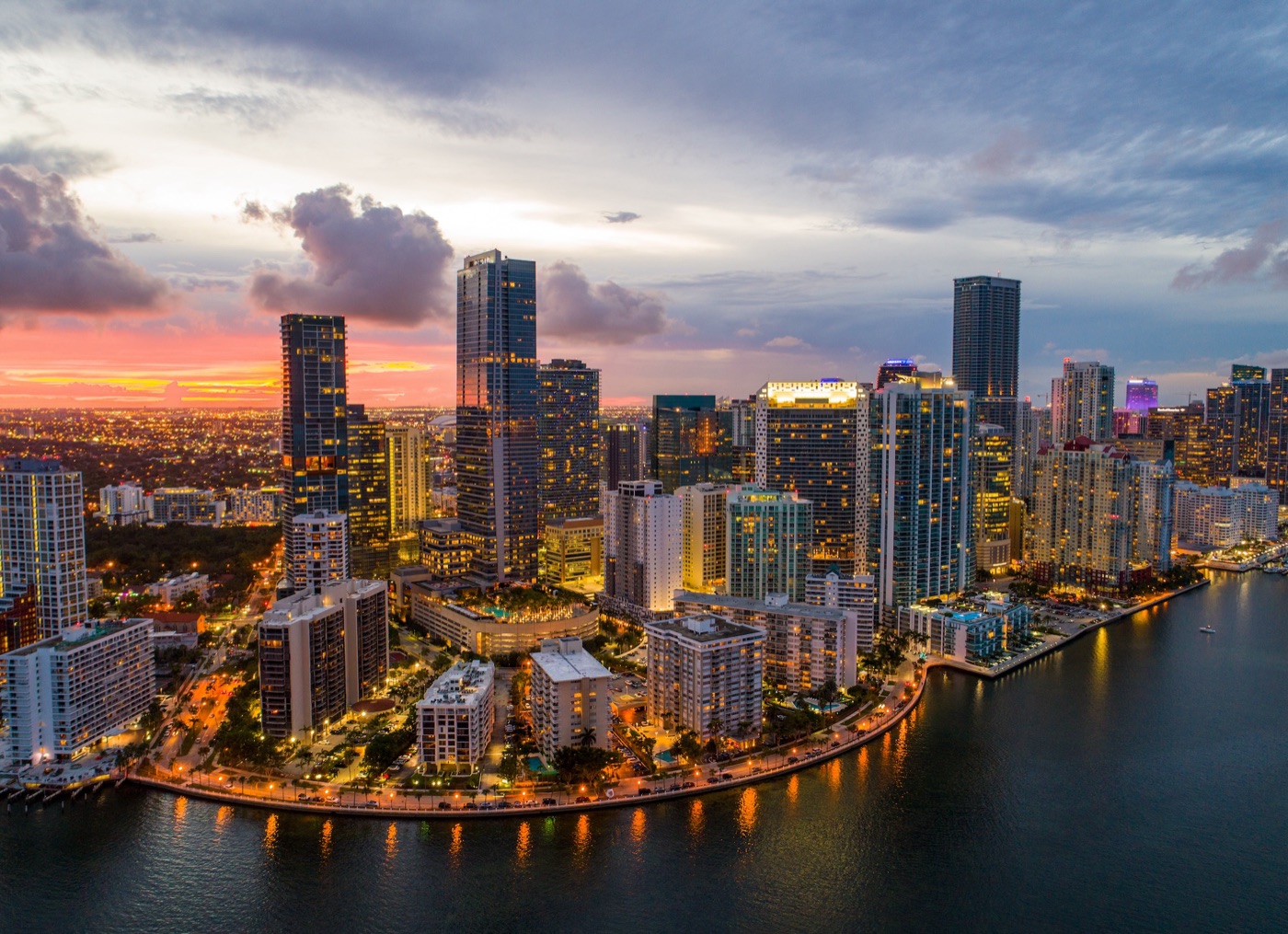
I talk to buyers every week who love Miami but do not live here yet. Some are relocating from New York or California. Some already own a second home and want another unit in Brickell, Sunny Isles, or Miami Beach. Many are Latin American buyers who prefer WhatsApp, Spanish-language walkthroughs, and a closing they can complete without booking another flight. The question is almost always the same: can I buy without being there in person?
In most cases, yes. Florida closings routinely accommodate remote buyers when the contract, title company, and (when needed) a properly prepared power of attorney are set up correctly. I coordinate video tours, offer strategy, escrow, inspections, and the closing desk so you can move with confidence from Bogota, Madrid, Toronto, Houston, or wherever you are based. Hablamos Espanol.
This guide explains how a remote Miami purchase works in practice, what a power of attorney closing is (and is not), how wires and documents usually flow, and where your closing attorney and CPA must take the lead. Nothing here is legal or tax advice. Every transaction has its own facts, and your licensed Florida closing attorney and tax professional should review the documents that apply to you.
Buying from out of town? Let's map your remote path.
I help non-local and international buyers tour, negotiate, and close in English or Spanish. Hablamos Espanol. Call or WhatsApp (954) 833-0020.
Call (954) 833-0020Who remote Miami purchases are for
Remote buying is not only for foreign nationals. I see the same workflow for:
- Relocating professionals who accepted a Miami or Fort Lauderdale job and cannot fly down for every showing
- Snowbirds and second-home buyers who already know the neighborhoods they want
- Investors comparing Brickell, Edgewater, Aventura, Doral, or Miami Beach inventory from another U.S. city
- International buyers who want bilingual coordination and a closing plan that does not depend on last-minute travel
If you want the big-picture foreign-buyer overview (financing paths, ownership structures at a high level, and market orientation), start with my Foreign Buyer's Guide to Miami Real Estate. This post zooms in on the remote purchase and power of attorney closing mechanics that guide does not cover in depth.
You still need a clear goal: primary home, pied-a-terre, long-term rental, or a building that may allow short-term stays. Rental rules vary by city and by association. I will help you read the association documents before you write an offer. For investment strategy conversations, we keep tax and entity questions with your CPA and attorney.
Explore on rangelyadames.com
How a remote purchase usually unfolds
A remote deal follows the same legal skeleton as an in-person deal. The difference is logistics: how you see the property, how you sign, and who sits at the table on closing day.
- Discovery and shortlist. We define budget, building or neighborhood preferences, cash versus financing, and timeline. You can search live inventory on my MLS search while I filter for HOA health, rental policies, and red flags.
- Remote showing. Live video walkthroughs (FaceTime, WhatsApp, or similar), plus recorded clips of the unit, amenities, views, and noise context. When useful, I arrange a trusted local inspector or a buyer's walkthrough proxy so you are not relying on listing photos alone.
- Offer and negotiation. We write the offer under the Florida contract your side uses for that property type. Deadlines for deposit, inspection, association approval, and closing are written into the contract, not guessed.
- Earnest money to escrow. Funds go to the escrow agent named in the contract, typically the title company. Amounts and deadlines are contract-specific. I never invent a "standard" percentage that applies to every deal. Wire only using instructions you verify by phone with a known title-company number.
- Due diligence. Inspection, condo or HOA resale package review, insurance quotes, and (if financing) lender conditions. My Miami buyer closing timeline walks through the usual sequence week by week.
- Closing path decision. You either travel for signing, sign via an approved remote online notarization path when the file supports it, or appoint an attorney-in-fact under a transaction-specific power of attorney so someone can sign on your behalf at the title office.
- Funding and recording. Buyer funds and any loan proceeds arrive per title instructions. The deed records with the county. Keys and access follow the association's move-in rules.
For a step-by-step buyer education hub beyond remote logistics, use the Miami Buyer's Guide.
What a power of attorney closing is (and what it is not)
A power of attorney (POA) in a Florida real estate closing is a legal document that authorizes another person (the attorney-in-fact) to sign closing documents for you. In purchase files, that authority is usually limited to the specific property and transaction. It is not a blank check to buy whatever someone wants later, and it is not a substitute for reading the contract yourself.
In practice, the closing attorney or title company will tell you whether a POA is acceptable for your file, what form they need, how it must be notarized, and whether any lender in the deal has extra rules. Cash files are often more flexible than financed files. Some condo associations also have their own signing or approval quirks. I coordinate calendars and introductions. I do not draft POA instruments. That is attorney work.
Common reasons buyers choose a POA closing:
- Flight schedules or visa timing make an in-person closing impractical
- The buyer is abroad and wants one trusted signer at the Miami title table
- Multiple owners need one person empowered to complete the signing package
- The buyer already completed remote diligence and only needs an execution path
Common reasons a POA may not be the right tool:
- The lender requires the borrower to sign certain documents in a specific way
- The title company cannot accept the notarization format available in your country without additional steps
- You prefer a remote online notarization path instead of appointing someone else
- You want to be present for a final walkthrough and key exchange on the same trip
Your Florida closing attorney decides what works for the file. My job is to flag the decision early so you are not scrambling three days before closing.
Notarization, witnesses, and documents: keep counsel in the lead
Buyers often ask me for a universal checklist: "Do I need an apostille? A consulate notary? Two witnesses?" The honest answer is that requirements depend on where you sign, how the POA is drafted, what the title underwriter will insure, and whether a lender is involved. Inventing a one-size checklist would be irresponsible.
What I can say from coordinating remote files:
- Expect the closing attorney to provide or approve the POA language for that transaction
- Expect notarization instructions in writing from that attorney or title desk
- If you sign outside the United States, plan extra lead time. International notarization and any authentication steps the underwriter requires can add days or weeks
- Send scanned copies early so title can review before you courier originals, if originals are required
- Keep your passport, entity documents (if buying in an LLC or other structure), and wire authorization paperwork ready
If you are forming an entity, changing how title will be held, or planning for estate or exit-tax issues, that is CPA and attorney territory before you write the offer. I can introduce professionals I know who work with Miami international and relocating buyers. I do not give legal or tax advice.
Wires, escrow, and fraud prevention
Remote buyers are prime targets for wire fraud. The pattern is simple: a fake email pretends to be the title company and sends new wiring instructions. Money leaves your account and does not come back.
Protect yourself with habits, not hope:
- Call the title company at a phone number you independently verified (website, prior known contact, or number I confirm verbally) before every wire
- Treat any last-minute change to wiring instructions as a red flag until you confirm by phone
- Prefer official portals the title company provides when available
- Do not rely on email alone for dollar amounts, account numbers, or routing details
- Keep earnest money and closing funds on a timeline that matches the contract so you are not wiring in a panic
Title insurance and the title search protect against many recorded defects in the chain of title. They do not replace careful wire hygiene. For more on what title insurance covers in Florida, see my Florida title insurance guide. Closing cost categories (title, lender fees when applicable, prepaid items, association fees) are summarized in Miami closing costs explained. Figures on any given file come from your Closing Disclosure or title settlement statement, not from a blog estimate.
Inspections, associations, and remote diligence
Buying blind is how remote purchases go wrong. Video is powerful, but it is not a substitute for a licensed home inspector, a careful read of the condo resale package, and clear insurance quotes.
On condo and townhome deals, I push early for:
- Association financials, reserve discussion, and special assessment history (as disclosed)
- Rental and lease restrictions, including minimum lease terms and any short-term rental bans
- Application and interview requirements that could delay closing
- Rules on pets, flooring, renovations, and parking that affect how you will actually use the home
Short-term rental and Airbnb plans deserve extra caution. City rules and association rules both matter, and they change. Do not underwrite a purchase on a yield assumption until we confirm what that building and jurisdiction actually allow. For educational context, see Miami short-term rental rules and my Airbnb consulting page. Compliance questions belong with counsel and the association, not with social media anecdotes.
Single-family homes bring their own remote diligence: roof and plumbing age, flood zone and insurance feasibility, wind mitigation credits, and seller disclosures. I help you sequence vendors so reports arrive before contingency deadlines expire.
Financing versus cash when you are not local
Cash purchases often close faster and can simplify remote logistics because there is no lender condition list. Financing is absolutely available for many non-local and foreign national buyers, but it adds document collection, appraisal scheduling, and possible signing formalities the lender controls.
High-level only (your lender and CPA confirm details for your profile):
- U.S. buyers relocating may use conventional or other programs based on credit, income, and property type
- Foreign national and ITIN programs exist in South Florida; down payment, reserves, and rate structure differ from standard domestic loans
- Condo buildings must meet lender and project guidelines when a mortgage is involved
I am not a mortgage broker. I will connect you with lenders who regularly close Miami remote and international files, then keep the real estate timeline aligned with underwriting. For a side-by-side of cash and financed strategy trade-offs, see Cash vs. mortgage in Miami.
FIRPTA and tax topics: hand off to your CPA
FIRPTA comes up constantly in Miami conversations because so many owners and sellers are foreign persons. As a buyer, you may encounter FIRPTA when the seller is a foreign person and federal withholding rules could apply at closing. As a future seller, you will want an exit plan long before you list.
I will not quote rates, exemptions, or form numbers here as advice. Those rules are fact-specific, and getting them wrong is expensive. What I will do:
- Flag early when a file may involve foreign-person seller issues
- Make sure the title company and your closing attorney are engaged on any withholding mechanics
- Point you to a CPA who handles international real estate matters
- Share educational reading such as my FIRPTA guide for foreign sellers so you know the vocabulary before you meet counsel
Rental income taxation, estate tax exposure for non-residents, and whether to hold title personally or in an entity are likewise CPA and attorney decisions. Buying Miami real estate does not grant immigration status. Visa and residency questions go to immigration counsel.
Pre-construction remote reservations
Pre-construction adds developer contracts, staged deposits across milestones, and longer timelines. Remote buyers can still reserve and close, but you must understand the deposit schedule in the developer documents, assignment rules if any, and what happens if you miss a capital call milestone. I will not invent deposit percentages in this article. We read the actual contract together, line by line, with your attorney when the numbers matter.
Browse active projects on my preconstruction directory, then we narrow to buildings that fit your use case and risk tolerance. Remote video presentations and unit-line selection are normal. The POA or remote signing conversation usually arrives later, closer to the final closing package.
Timeline expectations without false promises
Remote does not mean slow by default, and it does not mean instant. Contract deadlines still control. International notarization, association approval queues, appraisal turn times, and wire cutoffs can extend a file. I build buffer into the calendar when I know you are signing from abroad.
A practical remote-closing prep list I give clients (logistics, not legal requirements):
- Confirm identity documents and how title will be held before the offer is released
- Decide early: in-person closing, remote online notarization if available, or POA
- If POA, ask the closing attorney for the approved form and notarization instructions immediately after the attorney is opened
- Schedule inspection and insurance quotes as soon as the contract allows
- Verify wire procedures with title by phone before earnest money leaves your bank
- Keep WhatsApp or phone access during the final 72 hours for last-minute signature or funding questions
How I work with non-local buyers day to day
I am a licensed Florida real estate sales associate with Sunland Group in Miami, serving Miami-Dade and Broward (buying and selling through Boca Raton for the residential work described on my site). I work in English and Spanish end to end: search, negotiation, vendor coordination, and closing logistics.
Typical remote-client rhythm:
- Short voice or WhatsApp consult to lock budget and neighborhoods
- Curated shortlist with honest building notes, not a dump of every MLS match
- Live video tours at times that work across time zones
- Clear offer strategy tied to inspection and association risk
- Introductions to title, lenders, inspectors, and (when you ask) CPA or closing attorney referrals
- Closing-week checklist so you know exactly who signs what, and when funds must move
If you want bilingual representation focused on Latin American and Spanish-speaking buyers, my Spanish-speaking realtor in Miami page outlines how that service runs. Country-specific commercial hubs are rolling out separately. This article stays on the remote purchase and POA closing process for any non-local buyer, not a single-country campaign page.
Mistakes I help remote buyers avoid
- Writing an offer from photos alone without a real inspection plan
- Missing association rental rules that destroy an investment thesis after closing
- Waiting until the week of closing to ask about a power of attorney
- Wiring funds from an emailed PDF without a phone callback to title
- Treating blog posts or social tips as a substitute for attorney review of the POA and closing package
- Assuming every building allows short-term rentals because a neighbor said so
- Ignoring insurance feasibility until after contingencies expire
Remote buying works when communication is tight and specialists stay in their lanes. I run the real estate process. Attorneys run legal instruments. CPAs run tax. Lenders run credit decisions.
Ready when you are
Whether you are buying a Brickell pied-a-terre, a family home in Coral Gables, a Sunny Isles ocean view, or an investment condo in Edgewater, you can move forward without living in Miami yet. Remote tours, careful contracts, verified wires, and (when appropriate) a power of attorney closing are normal parts of how South Florida does business with out-of-town and international clients.
If you want a clear remote-buying plan for your situation, reach out. We will talk through neighborhoods, budget, cash versus financing, and the closing path that fits your travel reality. Hablamos Espanol.
Let's build your remote Miami purchase plan
From first video tour to a coordinated power of attorney or remote closing, I keep the process clear in English or Spanish. Call (954) 833-0020 or send a message and tell me where you are buying from.
Related Articles
July 2026 · 12 min read
Guia para Compradores Latinos en Miami: Como Comprar Casa (2026)
A bilingual, step-by-step guide for Latino buyers in Miami: ITIN and foreign-national financing, the buying process, homestead, HOA, insurance, and consejos para compradores. Hablamos Espanol.
Read article →April 2026 · 9 min read
Guide to Buying Land in Miami: Zoning, Permits & Prices
Everything you need to know about purchasing raw or improved land in Miami-Dade County, including zoning categories, permit timelines, and price ranges.
Read article →March 2026 · 9 min read
How to Sell Your Condo in Miami: Pricing, Staging & Marketing Tips
Condo-specific selling strategies: estoppel letters, HOA considerations, pricing for your building, and marketing to the right buyers.
Read article →