Invertir en Bienes Raices en Miami: Guia Completa 2026
By Rangely Adames, Sunland Group • July 2026 • 12 min read
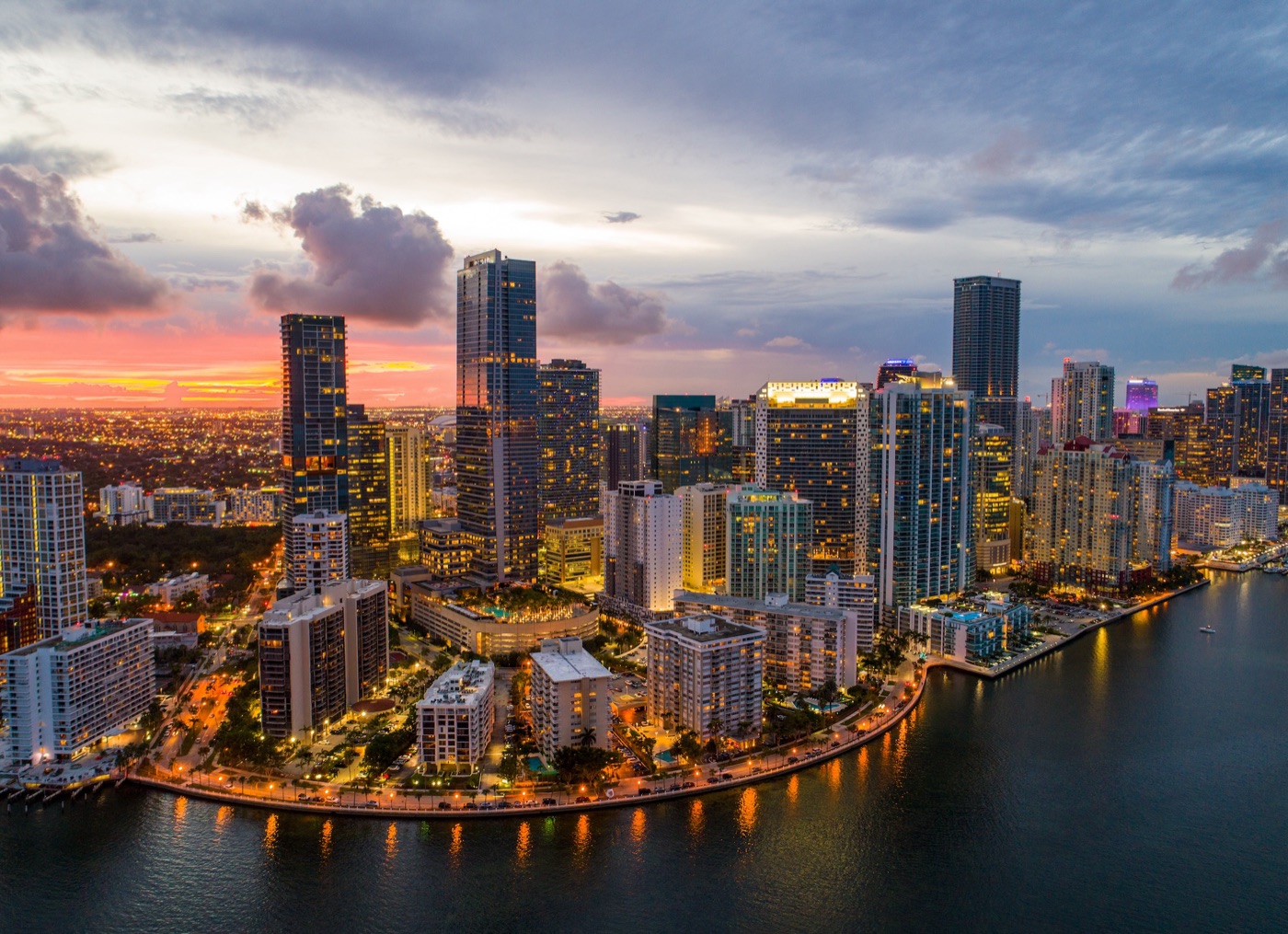
Miami has become one of the most sought-after real estate investment markets in the world, and for good reason. No state income tax, a growing population, a booming financial sector, and a constant flow of capital from Latin America, Europe, and the Northeast keep demand strong year after year. For investors from Colombia, Venezuela, Argentina, Mexico, Brazil, and beyond, invertir en bienes raices en Miami is not just a way to grow wealth, it is also a way to protect it in a stable currency and a stable country. This complete guide walks you through everything you need to know, en ingles y en espanol.
I am Rangely Adames, and I have helped both local and international clients build income-producing portfolios across Miami-Dade. Whether you are buying your first rental condo or adding a fifth property to your holdings, the fundamentals are the same: understand the numbers, choose the right location, structure your financing well, and plan for taxes before you buy, not after. Ready to schedule a showing? Contact Rangely or call (954) 833-0020— Hablamos Espanol.
Ready to find your Miami investment property?
Rangely Adames has helped hundreds of investors find the right property in Miami. Call for a free consultation — Hablamos Espanol.
Call (954) 833-0020Why Miami Is a Strong Investment Market
Real estate investing is ultimately about cash flow and appreciation, and Miami offers both. Florida has no state income tax, so rental income keeps more of its value in your pocket than it would in New York, California, or most of Latin America. The population of Miami-Dade continues to grow as companies relocate here and remote workers choose the lifestyle. That growth pushes rents up over time, which is exactly what a long-term investor wants.
Just as important, Miami is a global safe-haven market. When there is political or economic uncertainty in Latin America, capital flows into Miami property because it is a hard asset priced in dollars. This durable demand is one reason the market has recovered from every downturn in its history. For a deeper look at long-term patterns, read our Miami market cycles guide.
Consejo para inversionistas
Antes de comprar, calcule siempre el flujo de caja real (cash flow) y no solo la apreciacion. Sume el alquiler mensual esperado y reste la hipoteca, los impuestos, el seguro, las cuotas de HOA y un porcentaje para vacantes y reparaciones. Si el numero final es positivo, la propiedad se paga sola mientras usted espera que suba de valor. La apreciacion es un bono, no una estrategia. Yo le ayudo a correr estos numeros antes de que haga cualquier oferta.
Mejores Zonas para Invertir en Miami
Location drives returns. Some neighborhoods deliver strong rental yield, others deliver appreciation, and a few deliver both. Here is where investors are focusing in 2026:
- Brickell. Miami's financial district attracts high-earning professional tenants who pay premium rents for modern condos and walkability. Great for long-term appreciation. See our Brickell City Centre guide.
- Edgewater and Midtown. These rising bayfront neighborhoods offer newer inventory at lower entry prices than Brickell, with strong rent growth. Read our Edgewater guide.
- Doral. Called Doralzuela for its Venezuelan community, Doral offers newer townhomes and single-family rentals near business parks and top schools, drawing stable long-term families.
- Wynwood. The arts district has matured into a live-work-play hub with rising residential demand. Read our Wynwood investment guide.
- Hialeah and Kendall. More affordable entry points for single-family and duplex rentals with steady, reliable tenant demand from working families.
Choosing Your Strategy: Long-Term vs. Short-Term Rentals
Two main strategies drive Miami rental returns, and each has its own rules and risks. Long-term rentals (annual leases) offer steady, predictable income and lower management effort. Short-term rentals (Airbnb and VRBO) can produce higher gross income but come with heavy regulation, seasonality, and more hands-on management.
The most important thing to understand is that short-term rental rules vary dramatically by city and by building. Miami Beach, for example, restricts short-term rentals heavily and fines violators aggressively. Many condo associations ban rentals under six or twelve months entirely. Never assume you can Airbnb a unit until you have read the city ordinance and the condo docs. Our short-term rental rules guide breaks it down, and our Airbnb investment guide covers the numbers.
Explore on rangelyadames.com
Financiamiento para Inversionistas Extranjeros
You do not need to be a U.S. citizen or resident to buy investment property in Miami. Foreign nationals buy here every day. Here are your main financing options:
- Prestamos para extranjeros (foreign national loans). Several Florida lenders offer mortgages to non-residents, typically requiring 30 to 40 percent down and proof of income and reserves. No Social Security number is required.
- Compra en efectivo (cash). Many international investors pay cash, which strengthens offers and speeds closing to as little as two weeks. You can refinance later to pull capital back out.
- DSCR loans. These investor loans qualify you based on the property's rental income rather than your personal income, which is ideal for building a portfolio.
For the complete non-resident roadmap, see our foreign buyers guide and, if a visa is part of your plan, our EB-5 visa guide.
Taxes, FIRPTA, and the Costs You Must Budget For
Smart investors plan for every cost before they buy. In Miami, budget for these:
- Impuestos de propiedad. Roughly 1.8 to 2.3 percent of assessed value per year. Note that investment properties do not qualify for the homestead exemption, which only applies to your primary residence. Read our property taxes guide.
- Seguro (insurance). Wind and flood insurance are significant in South Florida. Get quotes before you make an offer. See our flood zones and insurance guide.
- Cuotas de HOA. Condos charge monthly association fees, and post-Surfside reserve requirements have raised them. Always review the financials and reserve study. See our HOA fees explained.
- FIRPTA. When a foreign owner sells U.S. property, federal law requires the buyer to withhold up to 15 percent of the sale price for the IRS. This affects your exit, so plan for it from day one. Our FIRPTA guide explains how to prepare.
Consejos para Inversionistas
Despues de ayudar a muchos inversionistas a construir portafolios en Miami, estos son mis consejos mas importantes:
- Compre por los numeros, no por la emocion. Una propiedad de inversion no es su casa. Debe generar flujo de caja positivo o tener un plan claro de apreciacion. Deje la emocion para su vivienda personal.
- Revise las reglas de alquiler del edificio. Muchos condominios prohiben alquileres cortos o exigen contratos minimos de un ano. Verifique los documentos del HOA antes de comprar, no despues.
- Considere una LLC. Muchos inversionistas extranjeros compran a traves de una compania (LLC) por proteccion legal y planificacion fiscal. Consulte a un abogado y contador antes de estructurar.
- Guarde reservas. Deje dinero para vacantes, reparaciones y meses sin inquilino. Un inversionista sin reservas es un inversionista en riesgo.
- Piense a largo plazo. Miami premia la paciencia. Las mejores fortunas inmobiliarias se construyen en anos, no en meses.
Common Mistakes Investors Make
The two most costly mistakes I see are buying without checking rental restrictions and underestimating carrying costs. An investor who plans to Airbnb a Miami Beach condo only to discover a city ban or an HOA six-month minimum has a broken business plan on day one. Likewise, forgetting to budget for rising insurance and HOA fees can turn a positive cash flow property into a negative one. A good local agent protects you from both. If you are weighing a condo against a single-family rental, our condo vs. townhouse investment guide lays out the trade-offs.
En Espanol: Resumen para Inversionistas
Invertir en bienes raices en Miami sigue siendo una de las mejores formas de crecer y proteger su capital en dolares. Florida no tiene impuesto estatal sobre la renta, la poblacion crece y la demanda de alquiler se mantiene fuerte. Elija bien la zona (Brickell y Edgewater para apreciacion, Doral, Hialeah y Kendall para flujo de caja estable), decida entre alquiler a largo o corto plazo revisando siempre las reglas del edificio, y estructure su financiamiento con prestamos para extranjeros, efectivo o prestamos DSCR. No olvide presupuestar impuestos, seguro, cuotas de HOA y FIRPTA al momento de vender. Y sobre todo, trabaje con alguien que le explique cada numero en su idioma. Yo, Rangely Adames, la acompano en cada paso, completamente en espanol. Llame al (954) 833-0020 para una consulta gratuita, sin compromiso.
Your Miami Real Estate Expert — Hablamos Espanol
Whether you're buying, selling, or investing in Miami real estate, Rangely Adames brings deep local expertise and personalized service. Free consultation, no pressure.
Related Articles
September 28, 2026 · 10 min read
Argentine Buyers Guide to Miami Real Estate: Process, Financing Themes, and Neighborhood Fit (2026)
Buying Miami real estate from Argentina is workable when you separate what your agent coordinates from what your attorney, CPA, and lender decide. This support guide walks through the process, financing themes, remote closing, and neighborhood fit, then points you to the Argentina foreign-buyer hub for next steps.
Read article →February 2026 · 9 min read
Aventura Real Estate Guide: Condos, Schools & Lifestyle (2026)
Luxury high-rises, top-rated schools, and the Aventura Mall — why families and investors love this North Miami suburb.
Read article →February 2026 · 9 min read
Airbnb Investment Properties in Miami: Rules, ROI & Best Areas
Short-term rental regulations, income projections, and the best Miami neighborhoods for Airbnb investing.
Read article →